
Investing in a cold storage system is a significant capital decision that affects your operational efficiency, energy costs, and product quality for years to come. Whether you are expanding a commercial kitchen, upgrading a warehouse, or launching a new food processing line, the wrong choice can lead to expensive repairs, spoiled inventory, and compliance headaches. To help you avoid costly mistakes, we have compiled the ten most critical questions you must ask before signing any purchase order. For over a decade, TZY Kitchenware has guided businesses through this complex procurement process, and these questions reflect the real-world pitfalls we have seen time and again.
1. What Is the Actual Storage Volume You Need Today and Tomorrow?
Many buyers focus only on raw cubic footage without considering usable space, shelving requirements, or future growth. Cold storage systems lose internal capacity due to evaporator units, aisle space, and structural supports. Ask for the usable storage volume (net capacity) rather than just total dimensions. Also, project your inventory needs 3–5 years ahead; a system that fits perfectly now may force an expensive expansion sooner than expected. TZY Kitchenware recommends calculating volume based on standard pallet or bin configurations, not empty space.
Factor in Product Type and Packaging
Different products require different stacking heights and airflow clearances. Meat carcasses need hanging space; frozen vegetables may be stored in bulk bins. Make sure the system vendor provides a layout that accommodates your specific packaging and handling equipment.
2. What Temperature Range and Consistency Do You Really Require?
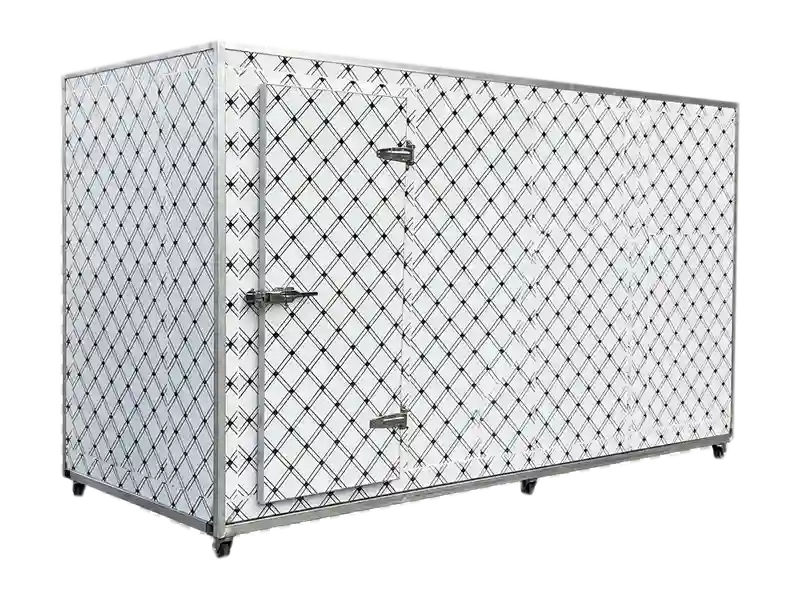
Cold storage systems are not one-size-fits-all. A system rated for 0°F may struggle to maintain -10°F if the compressor is undersized. Define the minimum and maximum operating temperatures for your most sensitive products. Also, inquire about temperature recovery time after door openings – a critical factor in busy kitchens. TZY Kitchenware’s clients often overlook that inconsistent temperatures accelerate freezer burn and microbial growth.
Data Logging and Alarms
Ask whether the system includes built-in temperature monitoring, remote alarms, and failover controls. Newer models from TZY Kitchenware integrate IoT sensors that alert your phone when temperatures drift outside safe ranges, preventing catastrophic losses.
3. What Are the Real Energy Costs Over the Lifetime?
Energy consumption can equal or exceed the purchase price within five years. Request annual energy usage projections in kilowatt-hours (kWh) based on your local climate and usage patterns. Look for systems with high-efficiency compressors, variable-speed fans, and thick insulated panels (at least 4 inches for freezer applications). TZY Kitchenware offers an energy cost calculator that compares different models side by side, so you can see the payback period for premium efficiency options.
4. How Durable Are the Materials and Components?
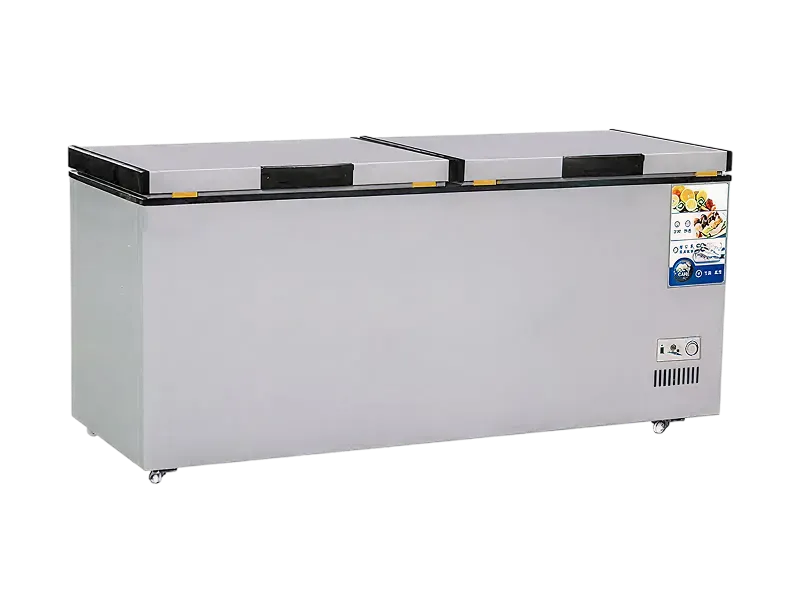
The exterior panels may look similar, but gauge thickness, corrosion resistance, and insulation foam density vary widely. Ask about the panel construction: are they structural polyurethane foam with metal cladding? What is the R-value? Also examine door hardware – gaskets, hinges, and handles fail most often. TZY Kitchenware uses stainless steel hinges and magnetic gaskets that withstand thousands of cycles without leaking cold air.
…
For more details on the 10 questions you must ask before purchasing your next refrigeration system, click here: https://www.tzykitchenware.com/a/news/cold-storage-questions.html

