
Electrostatic coalescers are critical equipment in oil and gas processing, used to separate water droplets from hydrocarbon streams by applying high-voltage electric fields. However, their operation in hazardous areas — where flammable vapors, gases, or dust may be present — introduces significant safety challenges. A single arc or insulation failure can trigger an explosion or cause severe electrical shock. Understanding how to manage these risks is not merely a regulatory requirement; it is a fundamental obligation for any facility operator. This article explores the core safety considerations for electrostatic coalescers, from design standards to operational protocols, and explains how Zhengyuan Petrochemical integrates these principles into every unit.
Understanding the Risks: High Voltage and Hazardous Atmospheres
High-voltage electrostatic coalescers typically operate at voltages ranging from 5 kV to 50 kV or higher. When these voltages are applied inside vessels that contain hydrocarbon gases or liquids, the potential for ignition, shock, and equipment damage increases dramatically.
Electrostatic Hazards: Ignition and Shock
The primary risk is incendiary sparking. If a high-voltage electrode comes into close proximity with a grounded component (e.g., vessel wall, internal support) due to mechanical failure or fouling, a spark can occur. In the presence of flammable atmosphere, such a spark can cause a catastrophic explosion. Additionally, operators and maintenance personnel face electric shock risks from exposed high-voltage connections or residual charge after shutdown.
Confined Spaces and Flammable Vapor Risks
Electrostatic coalescers are often installed inside pressure vessels that are classified as confined spaces. Accumulation of flammable vapors inside the vessel or in the surrounding area (classified as Zone 0, 1, or 2) requires that all electrical components meet strict explosion-proof or intrinsic safety standards. Even small amounts of moisture or conductive contaminants can create tracking paths, leading to flashover events.
Critical Safety Design Features for Electrostatic Coalescers
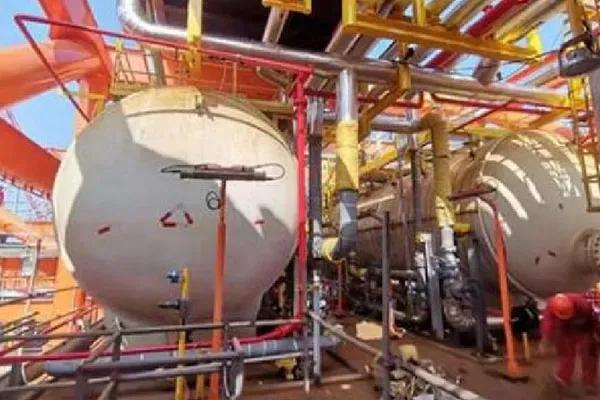
To mitigate these risks, leading manufacturers like Zhengyuan Petrochemical incorporate multiple layers of protection into their coalescer designs. These features address both the high-voltage system and the interaction with the hazardous environment.
Robust Insulation and Grounding Systems
High-voltage electrodes must be fully encapsulated in high-dielectric materials (e.g., ceramic or specialized polymer) to prevent electrical leakage and arc propagation. Grounding grids and busbars are designed with low impedance to ensure any fault current is safely dissipated. Zhengyuan Petrochemical uses double-insulation technology and continuous ground monitoring to detect anomalies before they escalate.
…
For more on electrostatic coalescer safety—including details on high-voltage operations in hazardous areas—please click here: https://www.zy-petrochemical.com/a/news/electrostatic-coalescer-safety.html
