
En la industria de procesamiento de residuos, Los costos laborales representan uno de los gastos operativos más grandes y variables.. Métodos tradicionales de manipulación de chatarra voluminosa, virutas, y otros materiales de desecho requieren múltiples trabajadores para su recolección, transporte, y procesamiento. Esta ineficiencia no sólo erosiona los márgenes de beneficio sino que también expone a los trabajadores a riesgos de seguridad.. El sistema de briquetas automático de ZYmining aborda directamente estos desafíos, entregando un probado 80% reducción de las necesidades de mano de obra. Transformando residuos sueltos en densos, briquetas uniformes, El sistema elimina los pasos de manipulación manual., agiliza la logística posterior, y permite que un solo operador supervise lo que antes exigía un equipo completo. Este artículo examina la tecnología detrás de este ahorro de mano de obra., cuantifica el impacto operativo, y explica por qué las instalaciones con visión de futuro están adoptando esta solución.
La realidad del procesamiento tradicional de residuos que requiere mucha mano de obra
Antes de evaluar cualquier solución de automatización, es esencial entender la línea de base. Procesamiento de residuos convencional, ya sea para torneado de metal., chatarra de plastico, o residuos de biomasa: normalmente implica estas etapas:
- Recopilación: Los trabajadores recogen manualmente los residuos sueltos de las líneas de producción o de los contenedores..
- Transporte: Las carretillas elevadoras o los carros de mano mueven objetos voluminosos, material de baja densidad a un área de procesamiento central.
- Reducción de tamaño o clasificación: Personal adicional opera trituradoras, trituradoras, o clasificadores.
- Carga y compactación: Los trabajadores cargan material en empacadoras o compactadores., a menudo requiere supervisión continua.
- Eliminación o reciclaje: Los fardos resultantes o el material suelto se trasladan nuevamente hacia su destino final..
Cada paso exige mano de obra dedicada, y los cuellos de botella se multiplican a medida que aumenta el rendimiento. Una instalación típica de tamaño mediano podría desplegar de cinco a ocho operadores por turno solo para el manejo de residuos.. El sistema de briquetas automático de ZYmining colapsa estos pasos en un solo, Proceso integrado que se ejecuta con mínima intervención humana..
donde el 80% La reducción laboral proviene de
La figura titular de 80% El ahorro de mano de obra no es una afirmación abstracta: surge de la eliminación de cuatro funciones laborales discretas.:
- Eliminación de la recogida manual: El sistema se puede alimentar directamente desde las líneas de producción mediante un transportador., barrena, o transferencia neumática, eliminar la necesidad de que los trabajadores recojan y muevan desechos sueltos.
- Sin carga de equipos de compactación: Las empacadoras tradicionales requieren que un operador cargue el material en una tolva y supervise cada ciclo.. La prensa briquetadora ZYmining alimenta automáticamente, comprime, y expulsa briquetas.
- Manipulación de materiales reducida: Las briquetas son densas., apilable, y uniforme, lo que significa que una persona puede gestionar la paletización y el inventario en lugar de que un equipo se ocupe de los residuos sueltos..
- Alertas de mantenimiento automatizadas: Los sensores integrados monitorean la temperatura del aceite, presión, y niveles de llenado, alertar sólo cuando es necesario actuar, en lugar de requerir supervisión las 24 horas del día.
Cuando estos ahorros se suman en una operación de tres turnos, la reducción de, decir, reducir de seis operadores a uno se vuelve realista y verificable.
Cómo funciona el sistema de briquetas automático de ZYmining 80% Reducción de mano de obra
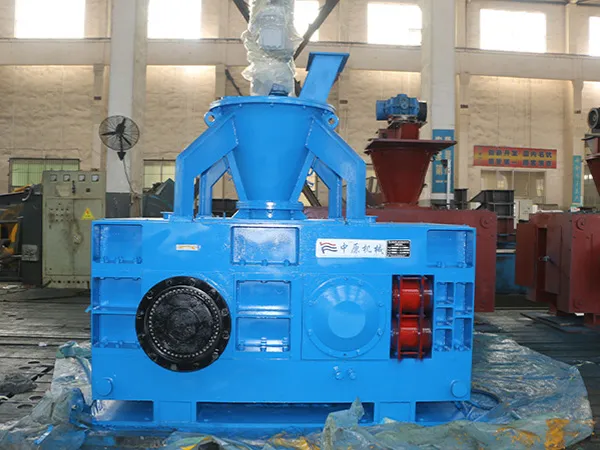
El mecanismo central es sencillo pero sofisticado.: El material de desecho suelto se introduce en una cámara de precompresión., luego se fuerza bajo alta presión hidráulica dentro de un troquel para formar una briqueta sólida.. Toda la secuencia está controlada por un controlador lógico programable. (SOCIEDAD ANÓNIMA) que ajusta la velocidad del ciclo según el flujo de material. Las características de diseño clave que contribuyen directamente al ahorro de mano de obra incluyen:
- Diseño de alimentación continua: A diferencia de los compactadores por lotes, El sistema ZYmining procesa el material en un flujo continuo., para que ningún operador esté esperando para iniciar/detener cada ciclo.
- Amarre y expulsión automáticos: Para briquetas de metal, el sistema separa automáticamente el refrigerante/aceite de la briqueta y expulsa el producto terminado a un transportador o a un contenedor.
- Ciclo de autolimpieza: La prensa realiza una secuencia de purga automática cuando cambia el tipo de material., reduciendo el tiempo de inactividad y el trabajo de limpieza manual.
- Capacidad de monitoreo remoto: Los supervisores pueden monitorear las métricas de producción., registros de alarma, y cronogramas de mantenimiento desde una sala de control o dispositivo móvil, eliminando la necesidad de un operador dedicado.
Estas características en conjunto significan que un operador a tiempo parcial o completo (dependiendo de la escala de la instalación) Puede supervisar toda la operación de briquetas y al mismo tiempo realizar otras tareas durante los ciclos automáticos..
…
Para obtener información más detallada sobre cómo los sistemas de briquetas automatizados pueden ahorrar 80% de los costes laborales en la eliminación de residuos, por favor haga clic aquí: https://www.zymining.com/en/a/news/briquetting-system-saves.html

