
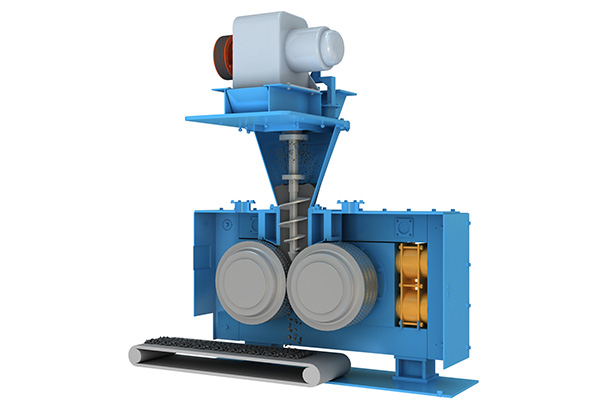
El mantenimiento adecuado de una máquina briquetadora no es simplemente una opción: es una inversión crítica que impacta directamente en la eficiencia de la producción., calidad del producto, y el coste total de propiedad. Si su operación procesa biomasa, virutas de metal, u otros materiales, una prensa bien mantenida puede funcionar de forma fiable durante años, mientras que el descuido puede provocar costosas averías y sustituciones prematuras.. Este artículo proporciona una visión completa, guía práctica para extender la vida útil de su equipo de briquetas, aprovechando prácticas industriales comprobadas y conocimientos de la experiencia de campo de ZYmining.
1. Comprensión de los componentes clave y sus demandas de mantenimiento
Cada máquina briquetadora consta de varios subsistemas que trabajan a alta presión y carga continua.. Reconocer los requisitos de mantenimiento de cada componente es el primer paso hacia una larga vida útil.
1.1 Eje principal y sistema de rodamientos
El eje principal y los cojinetes soportan la mayor parte de la fuerza de compactación.. Inspección periódica para detectar signos de sobrecalentamiento., ruido anormal, o la vibración es esencial. Asegúrese de que los cojinetes estén lubricados en los intervalos especificados en el manual del operador., y reemplace la grasa si se detecta contaminación. Para aplicaciones de servicio pesado, Considere el uso de grasa sintética para altas temperaturas para reducir el desgaste..
1.2 Sistema hidráulico
Las unidades hidráulicas impulsan la presurización y los movimientos del ariete.. La calidad del aceite hidráulico se debe verificar mensualmente para determinar su viscosidad., contenido de agua, y contaminación por partículas. Cambie los elementos del filtro de aceite según el cronograma del fabricante. (normalmente entre 500 y 1000 horas de funcionamiento). Inspeccione todas las mangueras y sellos en busca de fugas o grietas.; una pequeña fuga puede convertirse rápidamente en una pérdida importante de presión. Mantenga el depósito hidráulico al nivel recomendado. y utilice únicamente grados de aceite aprobados.
1.3 Troqueles y rodillos de moldeo
Los troqueles y los rodillos determinan la densidad y la forma de las briquetas.. Con el tiempo se desgastan, especialmente al procesar materiales abrasivos como polvo de carbón o virutas de metal. Mida el perfil de desgaste cada mes utilizando una plantilla.. Cuando la holgura excede la tolerancia especificada (p.ej., 1.5 mm), volver a perfilar o reemplazar los componentes. ZYmining recomienda mantener un juego de troqueles y rodillos de repuesto en el sitio para minimizar el tiempo de inactividad durante los cambios..
2. Rutina diaria de inspección y mantenimiento preventivo
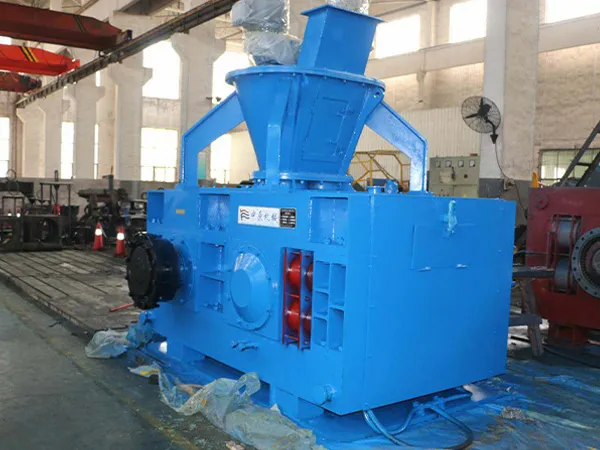
Una lista de verificación diaria estructurada ayuda a detectar pequeños problemas antes de que se conviertan en costosas fallas..
2.1 Calendario de lubricación
Cree una tabla de lubricación que enumere todos los puntos de engrase., niveles de aceite, e intervalos. Utilice un registrador de datos o etiquetas adhesivas sencillas para realizar un seguimiento de las fechas del último servicio. Nunca mezcle grasas incompatibles—pueden causar engrosamiento y falla del rodamiento..
2.2 Verificaciones del sistema eléctrico y de control
Inspeccione los cables en busca de deshilachados, terminales sueltos, y signos de sobrecalentamiento. Limpie los paneles de control con aire comprimido para evitar la acumulación de polvo que pueda afectar los sensores.. Pruebe las funciones de parada de emergencia semanalmente. Verifique que el PLC (controlador lógico programable) Las baterías de respaldo se reemplazan cada dos años para evitar perder datos de configuración..
- Inspeccione visualmente todas las correas y cadenas en busca de tensión y desgaste.; ajustar o reemplazar según sea necesario.
- Limpie mensualmente los ventiladores de refrigeración y los radiadores de las unidades de energía hidráulica..
- Comprobar sujetadores (perno, nueces) en el marco principal para asegurar la estanqueidad después del primer 100 horas de operación, entonces cada 500 horas.
…
Para obtener más información sobre consejos de mantenimiento de máquinas briquetadoras y cómo extender la vida útil del equipo, por favor haga clic aquí: https://www.zymining.com/en/a/news/briquetting-machine-maintenance.html
