
Carbon black dust poses significant challenges in handling, storage, and transport due to its fine particle size, low bulk density, and tendency to become airborne. A rugged briquette maker transforms this problematic material into dense, uniform briquettes that are easy to manage, reducing waste and improving workplace safety. For operations seeking a long-term solution, durability of the equipment directly impacts total cost of ownership. This article examines why investing in a robust briquette press is essential for carbon black compaction and how ZYmining engineered solutions meet the demands of continuous industrial use.
Why Carbon Black Dust Demands Specialized Compaction
Carbon black is typically produced in the form of fluffy particles with a bulk density ranging from 0.04 to 0.1 g/cm³. This low density leads to high transportation costs, increased storage space, and potential dust explosion hazards. Compacting the dust into briquettes increases density by 300–500%, significantly reducing volume. However, the abrasive nature of carbon black and its thermal properties require a briquetting machine built with wear-resistant components and precise pressure control. Standard presses often fail prematurely due to accelerated wear and inadequate binding force.
Key Compaction Challenges
- Abrasion: Carbon black particles act as an abrasive agent, quickly eroding roller surfaces and dies made of ordinary steel.
- Low natural cohesion: Without external binders or high pressure, carbon black dust lacks inherent stickiness, requiring high compaction forces (typically 150–250 MPa).
- Temperature sensitivity: Friction during briquetting generates heat; excessive temperatures can degrade the material or reduce briquette quality.
Durable Design: The Core of a Reliable Briquette Maker
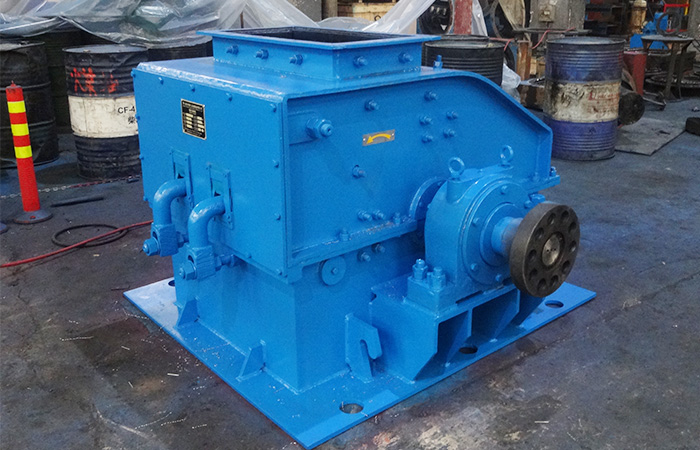
When evaluating briquette presses for carbon black, durability must be examined from multiple angles: materials of construction, hydraulic system design, mechanical clearance, and ease of maintenance. A press that breaks down frequently not only halts production but also jeopardizes dust containment and worker safety.
Roller and Wear Parts
The rollers are the heart of a briquetting machine. ZYmining uses specialized alloy steels with surface hardening treatments that resist abrasion from carbon black. Contrary to conventional designs, the roller pockets are machined to tight tolerances that maintain consistent briquette shape and weight over thousands of operating hours. Replaceable wear liners prolong the life of the press frame.
Hydraulic System Reliability
Constant pressure maintenance is critical for uniform briquette density. ZYmining’s hydraulic briquette maker incorporates a closed-loop pressure control system with minimal drift. This ensures that even as rollers wear slightly, the compaction force remains within the optimal range. The hydraulic cylinders are oversized for the application, reducing stress and extending seal life.
Feeding and Binding Solutions
Carbon black often requires a small percentage of binder (e.g., lignin or water) to improve briquette strength. A durable machine must tolerate slight variations in moisture without jamming. ZYmining’s screw feeder is designed with variable speed control and abrasion-resistant flighting, enabling consistent feeding even when dust characteristics fluctuate.
…
Click here for more details on using a durable briquetting machine to compact your carbon black dust: https://www.zymining.com/en/a/news/carbon-briquette.html

