
En la construcción industrial moderna, Los edificios de fábricas con estructura de acero son ampliamente reconocidos por su durabilidad., flexibilidad, y rentabilidad. Sin embargo, a pesar de estas ventajas, Las goteras en el techo siguen siendo uno de los desafíos más persistentes y costosos que enfrentan los propietarios de fábricas y administradores de instalaciones.. La infiltración de agua no sólo daña los equipos y los bienes almacenados, pero también altera los programas de producción, aumenta los costos de mantenimiento, e incluso puede comprometer la seguridad estructural con el tiempo.
Muchas empresas suponen que simplemente elegir láminas para tejados de alta calidad es suficiente para evitar fugas.. En realidad, Lograr un techo de acero verdaderamente sin fugas requiere un análisis sistemático., Enfoque basado en el ciclo de vida que integra la optimización del diseño., selección de materiales, precisión de construcción, y planificación de mantenimiento a largo plazo.
Esta guía completa explica cómo construir y mantener un sistema libre de fugas. Fábrica de estructura de acero techo desde una perspectiva de ingeniería y operativa.
¿Por qué gotean los techos de estructura de acero?: Un análisis práctico
Antes de implementar soluciones, Es importante comprender claramente las causas fundamentales de las fugas.. En proyectos industriales del mundo real, Las fallas del techo rara vez se deben a un solo factor.; en cambio, Por lo general, son causados por una combinación de defectos de diseño., limitaciones materiales, y errores de instalación.
Uno de los problemas más comunes se origina por un diseño inadecuado de la pendiente del techo.. Cuando los ingenieros subestiman la intensidad de las precipitaciones o no optimizan las vías de drenaje, El agua comienza a acumularse en la superficie del techo.. Tiempo extraordinario, El agua estancada aumenta la presión sobre las juntas y sujetadores., eventualmente conduce a una filtración.
La calidad del material también juega un papel decisivo. Chapas de metal de baja calidad, Recubrimientos anticorrosivos deficientes., o los componentes de sellado inferiores pueden degradarse rápidamente bajo la exposición a los rayos UV., humedad, y fluctuaciones de temperatura. Incluso los pequeños defectos en los revestimientos pueden convertirse en puntos de corrosión., debilitando el sistema de impermeabilización.
Los errores de instalación amplifican aún más estos riesgos. Paneles desalineados, superposición insuficiente, o los sujetadores mal apretados crean espacios invisibles que permiten la penetración del agua durante fuertes lluvias o tormentas impulsadas por el viento.. En edificios industriales de gran envergadura, Estas pequeñas inconsistencias pueden convertirse rápidamente en problemas de fugas generalizados..
Tampoco se deben subestimar las condiciones ambientales. Regiones con fuertes lluvias, cargas de nieve, o las variaciones extremas de temperatura suponen una tensión adicional para los tejados de acero. Los ciclos de expansión y contracción térmica debilitan gradualmente los selladores y las conexiones., especialmente cuando estos factores no se consideran adecuadamente durante el diseño.
Finalmente, el envejecimiento es inevitable. Incluso un techo bien construido experimentará una fatiga gradual del material., endurecimiento del sellador, y degradación del recubrimiento con el tiempo. Sin mantenimiento adecuado, Los problemas menores eventualmente se convertirán en puntos de fuga importantes..
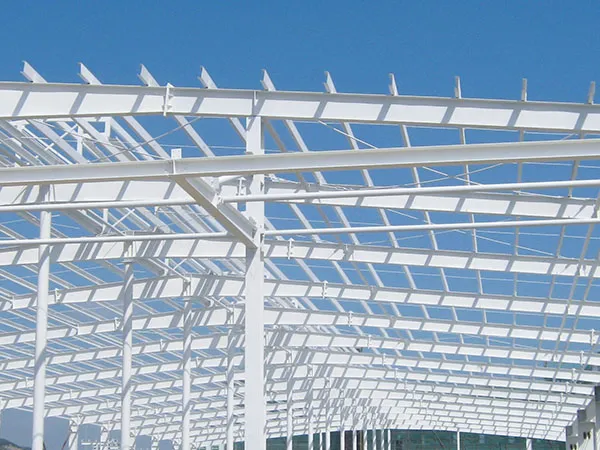
Cómo prevenir goteras en techos de estructura de acero
Comprender estos mecanismos de falla del mundo real permite a los ingenieros y tomadores de decisiones adoptar un enfoque más proactivo y preventivo..
Paso 1: Comience con un diseño de techo científicamente diseñado
Un techo sin goteras siempre comienza en la etapa de diseño. Las decisiones tomadas durante la planificación temprana determinarán directamente el desempeño a largo plazo..
Los ingenieros primero deben asegurarse de que la pendiente del techo esté optimizada para un drenaje eficiente del agua.. Una pendiente correctamente diseñada evita la acumulación de agua y reduce la carga sobre los sistemas de sellado.. Al mismo tiempo, Los componentes de drenaje, como canaletas y bajantes, deben ubicarse estratégicamente según la intensidad de la lluvia y el área del techo..
…
Para obtener información más detallada sobre cómo lograr cero fugas en los techos de las fábricas con estructura de acero, por favor haga clic para visitar: https://www.meichensteel.com/a/news/causes-and-solutions-for-roof-leaks-in-steel-structure-factory-buildings.html

