
В современном промышленном строительстве, Фабричные здания со стальными конструкциями широко известны своей долговечностью., Гибкость, и экономическая эффективность. Однако, несмотря на эти преимущества, Протечка крыши остается одной из наиболее постоянных и дорогостоящих проблем, с которыми сталкиваются владельцы заводов и руководители предприятий.. Проникновение воды не только повреждает оборудование и хранящиеся товары., но это также нарушает производственные графики, увеличивает затраты на техническое обслуживание, и со временем может даже поставить под угрозу структурную безопасность.
Многие компании полагают, что для предотвращения протечек достаточно просто выбрать качественные кровельные листы.. На самом деле, Для достижения действительно нулевой утечки стальной крыши требуется систематический подход., подход, основанный на жизненном цикле, который объединяет оптимизацию конструкции, выбор материала, точность конструкции, и долгосрочное планирование технического обслуживания.
В этом подробном руководстве объясняется, как построить и поддерживать герметичную систему. Стальная структура завода крыша с инженерной и эксплуатационной точки зрения.
Почему протекает крыша из стальной конструкции: Практический анализ
Прежде чем внедрять решения, важно четко понимать первопричины протечек. В реальных промышленных проектах, провалы крыши редко возникают из-за одного фактора; вместо, они обычно вызваны сочетанием конструктивных недостатков., материальные ограничения, и ошибки установки.
Одна из наиболее распространенных проблем связана с неправильным проектированием ската крыши.. Когда инженеры недооценивают интенсивность осадков или не могут оптимизировать пути дренажа, вода начинает скапливаться на поверхности крыши. Со временем, стоячая вода увеличивает давление на соединения и крепежные детали, в конечном итоге приводит к просачиванию.
Качество материала также играет решающую роль.. Низкосортные металлические листы, плохое антикоррозийное покрытие, или некачественные уплотнительные компоненты могут быстро разрушаться под воздействием ультрафиолета., влажность, и колебания температуры. Даже небольшие дефекты покрытий могут перерасти в точки коррозии., ослабление гидроизоляционной системы.
Ошибки при установке еще больше усиливают эти риски.. Неровные панели, недостаточное перекрытие, или неправильно затянутые крепления создают невидимые зазоры, которые позволяют воде проникать во время сильного дождя или ураганов.. В большепролетных заводских зданиях, эти небольшие несоответствия могут быстро перерасти в широкомасштабные проблемы с утечками..
Экологические условия также не следует недооценивать.. Регионы с обильными осадками, снежный груз, или резкие перепады температур создают дополнительную нагрузку на стальные крыши.. Циклы термического расширения и сжатия постепенно ослабляют герметики и соединения., особенно когда эти факторы не учитываются должным образом при проектировании.
Окончательно, старение неизбежно. Даже хорошо построенная крыша будет постепенно уставать от материала., затвердевание герметика, и разрушение покрытия с течением времени. Без надлежащего обслуживания, мелкие проблемы в конечном итоге превратятся в крупные точки утечки.
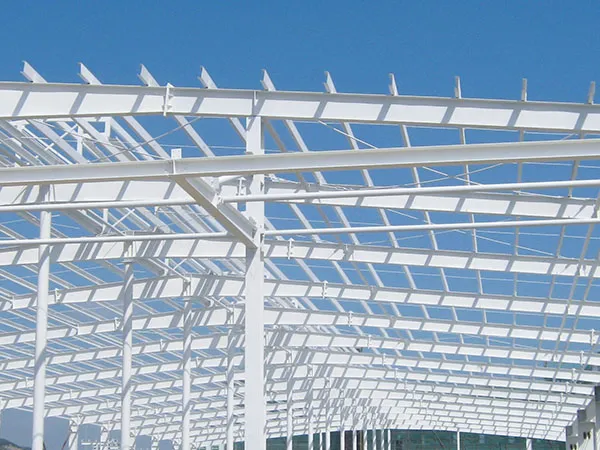
Как предотвратить протечки в крышах из стальных конструкций
Понимание этих реальных механизмов отказа позволяет инженерам и лицам, принимающим решения, применять более активный и превентивный подход..
шаг 1: Начните с научно разработанного проекта крыши
Крыша с нулевой протечкой всегда начинается на этапе проектирования.. Решения, принятые на раннем этапе планирования, напрямую определяют долгосрочную эффективность..
Инженеры должны сначала убедиться, что уклон крыши оптимизирован для эффективного отвода воды.. Правильно спроектированный уклон предотвращает скопление воды и снижает нагрузку на системы уплотнения.. В то же время, компоненты дренажа, такие как желоба и водосточные трубы, должны быть стратегически расположены в зависимости от интенсивности осадков и площади крыши..
…
Для получения более подробной информации о том, как добиться нулевой утечки в заводских крышах из стальных конструкций., пожалуйста, нажмите, чтобы посетить: https://www.meichensteel.com/a/news/causes-and-solutions-for-roof-leaks-in-steel-structure-factory-buildings.html

