
La tecnología de laminación en frío es un proceso clave indispensable en la fabricación moderna de metales., desempeñando un papel vital, especialmente en la producción de automóviles, fabricación de electrodomésticos, materiales aeroespaciales, y maquinaria de alta precisión. Si es nuevo en el trabajo con metales o desea profundizar su comprensión de laminador en frío operaciones, esta guía para principiantes le ayudará a comprender plenamente los principios básicos, flujo de trabajo, y conceptos erróneos comunes sobre el proceso de laminación en frío.
¿Qué es un laminador en frío?? Definición y aplicaciones del laminado en frío
Laminación en frío se refiere a una técnica de procesamiento realizada a temperatura ambiente., donde se aplica una inmensa presión a través laminador Rollos para reducir el espesor de las láminas de metal y al mismo tiempo mejorar la calidad de la superficie.. A diferencia del laminado en caliente, que requiere calentamiento a alta temperatura, el laminado en frío se realiza sin calentamiento. Como consecuencia, la exhibición de productos finales:
Mayor precisión dimensional
Acabado superficial superior
Propiedades mecánicas más uniformes (la fuerza, dureza, etc.)
Los productos laminados en frío se utilizan comúnmente en:
Carrocerías y componentes estructurales de automóviles.
Carcasas para electrodomésticos
Piezas mecánicas de precisión.
Fabricación de flejes de acero., placas delgadas, y láminas de alta precisión
Términos simples: Laminar en frío es como "usar rodillos de precisión para aplanar la masa".,“Hacer láminas de metal más delgadas, más recto, y más fuerte.
Principio de funcionamiento básico de los laminadores en frío
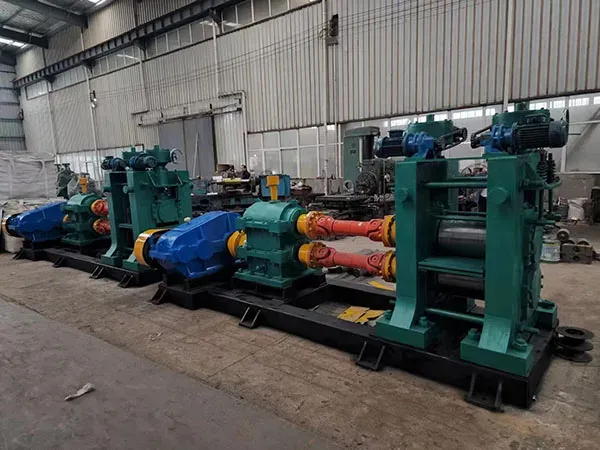
1. Deformación plástica del metal bajo alta presión
Los laminadores en frío suelen constar de dos rodillos de alta resistencia.. A medida que las hojas de metal pasan a través del espacio entre rollos, sufren una inmensa tensión de compresión, provocando deformación plástica que logra adelgazamiento y fortalecimiento.
Compresión de espacio entre rodillos: El espesor del material se comprime a medida que pasa a través del espacio entre rodillos..
…
Para obtener información más detallada sobre el principio de funcionamiento de los laminadores en frío, por favor haga clic para visitar: https://www.gyssljx.com/a/news/cold-rolling-mill-working-principle.html
