
Технология холодной прокатки – незаменимый ключевой процесс в современном металлопроизводстве., играет жизненно важную роль, особенно в автомобильном производстве, производство бытовой техники, аэрокосмические материалы, и высокоточного машиностроения. Если вы новичок в металлообработке или хотите углубить свои знания в области металлообработки. стан холодной прокатки операции, это руководство для начинающих поможет вам полностью понять основные принципы, рабочий процесс, и распространенные заблуждения о процессе холодной прокатки.
Что такое стан холодной прокатки? Определение и применение холодной прокатки
Холодная прокатка относится к технологии обработки, выполняемой при комнатной температуре., где огромное давление оказывается через прокатный стан валки для уменьшения толщины металлических листов при одновременном повышении качества поверхности. В отличие от горячей прокатки, требующий высокотемпературного нагрева, холодная прокатка проводится без подогрева. Следовательно, выставка готовой продукции:
Более высокая точность размеров
Превосходное качество поверхности
Более однородные механические свойства (сила, твердость, п.)
Холоднокатаный прокат широко применяется в:
Автомобильные кузова и конструктивные элементы
Корпуса приборов
Прецизионные механические детали
Производство полосовой стали, тонкие пластины, и высокоточные фольги
Условия для непрофессионалов: Холодная раскатка похожа на «использование прецизионных роликов для выравнивания теста».,» сделать металлические листы тоньше, прямее, и сильнее.
Основной принцип работы станов холодной прокатки
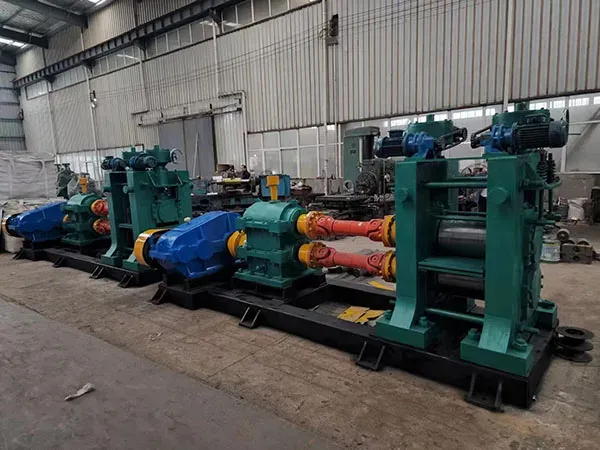
1. Пластическая деформация металла под высоким давлением
Станы холодной прокатки обычно состоят из двух высокопрочных валков.. Когда металлические листы проходят через зазор между валками, они испытывают огромное сжимающее напряжение, вызывая пластическую деформацию, приводящую к утончению и укреплению.
Сжатие рулонного зазора: Толщина материала сжимается при прохождении через зазор между валками..
…
Более подробную информацию о принципе работы станов холодной прокатки см., пожалуйста, нажмите, чтобы посетить: https://www.gyssljx.com/a/news/cold-rolling-mill-working-principle.html
