
Холоднокатаная сталь в рулонах и холоднокатаный алюминий в рулонах являются незаменимыми базовыми материалами в современном производстве.. Благодаря высокой точности размеров, отличное качество поверхности, и стабильные механические свойства, Холоднокатаные рулоны широко используются в автомобилестроении., бытовая техника, строительство, обработка, и высокотехнологичные промышленные области.
Для сталелитейных заводов, алюминиевые заводы, и покупатели оборудования, глубокое понимание технологического процесса холодной прокатки не только помогает оптимизировать эффективность производства, но и позволяет принимать более обоснованные решения при выборе оборудования., Контроль качества, и управление затратами.
В этой статье будет систематически анализироваться весь процесс линия холодной прокатки, от подготовки сырья до поставки готового рулона, помогая читателям полностью понять основную логику и ключевые контрольные точки процесса холодной прокатки..
Технологическая схема холодной прокатки
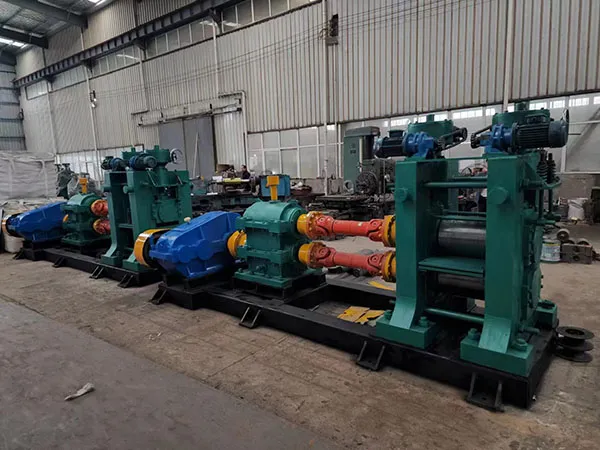
Процесс холодной прокатки – сложный процесс., многоэтапный процесс переработки рулонов горячекатаной стали (обычно сырье) в готовые холоднокатаные рулоны с превосходной точностью размеров, качество поверхности, и механические свойства.
Схема процесса: Травление → Холодная прокатка → Отжиг → Проходка кожи/Выравнивание натяжением → Намотка
Каждый процесс напрямую влияет на состояние поверхности., точность толщины, и механические свойства конечного холоднокатаного рулона. Основные этапы процесса холодной прокатки будут описаны ниже..
1. Сырье: Горячекатаный рулон
Состояние: Катушка из необработанной стали, обычно производится на станах горячекатаной полосы.
Характеристики: Относительно толстый (например, 2.0 мм до 8.0 миллиметровый), с поверхностью, покрытой твердым, хрупкое вещество, называемое окалиной оксида железа (или прокатный оксид). Окалина оксида железа образуется в результате реакции железа с кислородом при высокотемпературной прокатке..
Приложения: Накипь оксида железа необходимо удалить., в противном случае это приведет к повреждению поверхности холоднокатаного рулона и ухудшит качество поверхности готовой стали..
2. Маринование
Почему маринование имеет решающее значение?
Для удаления окалины и ржавчины, образующихся при горячей прокатке.
Для улучшения пластичности материала при холодной прокатке.
Обеспечить чистоту и стабильность поверхности для последующей прокатки.
Маринованные рулоны имеют гладкую и чистую поверхность., что является основополагающим для производства высококачественных холоднокатаных рулонов.
Описание процесса:
Для получения более подробной информации обо всем процессе холодной прокатки, пожалуйста, нажмите, чтобы посетить: https://www.gyssljx.com/a/news/cold-rolling-process-guide.html
