
Seleccionar la tecnología de quemador adecuada para el calentamiento de procesos industriales es una decisión que impacta directamente en la eficiencia de la producción., costos de energía, y calidad del producto. Dos configuraciones comunes (quemadores modulantes y de encendido y apagado) sirven para filosofías operativas distintas.. Si bien los quemadores de encendido y apagado han sido durante mucho tiempo la opción predeterminada para muchas instalaciones debido a su simplicidad, Los quemadores modulantes son cada vez más preferidos para aplicaciones que requieren un control preciso de la temperatura y un menor consumo de combustible.. Este artículo ofrece una comparación rigurosa de estas dos tecnologías., ayudando a los gerentes de adquisiciones, ingenieros de planta, y los equipos de mantenimiento alinean su elección con las demandas reales del proceso. SHUXIN, un reconocido especialista en sistemas de combustión industriales, Proporciona información basada en datos de campo y experiencia en ingeniería..
Principios de trabajo: Cómo funciona cada tipo de quemador
Quemadores de encendido y apagado
Un quemador industrial de encendido y apagado funciona en modo binario: encendido total o apagado completo.. Cuando la temperatura del proceso cae por debajo de un punto de ajuste, el quemador se enciende a máxima potencia. Una vez alcanzado el objetivo, se apaga completamente. Este ciclo se repite continuamente.. La simplicidad del diseño significa un menor costo inicial y un mantenimiento más sencillo., pero el choque térmico de los ciclos repetidos de encendido y apagado puede estresar los refractarios del horno y causar que la temperatura se sobrepase o se sobrepase..
Quemadores modulantes
Los quemadores modulantes varían su entrada de combustible y aire en un rango continuo, generalmente de 20% a 100% de capacidad nominal, para igualar la demanda instantánea de calor. Un controlador recibe retroalimentación de sensores de temperatura o presión y ajusta la velocidad de disparo proporcionalmente.. Esto permite que el quemador mantenga una temperatura de proceso estable sin intervalos de apagado completo.. El ratio de reducción (tasa de disparo máxima dividida por la tasa de disparo estable mínima) es una especificación crítica; Las altas relaciones de reducción permiten una modulación más profunda y un control más suave..
Comparación cabeza a cabeza: Métricas clave de rendimiento
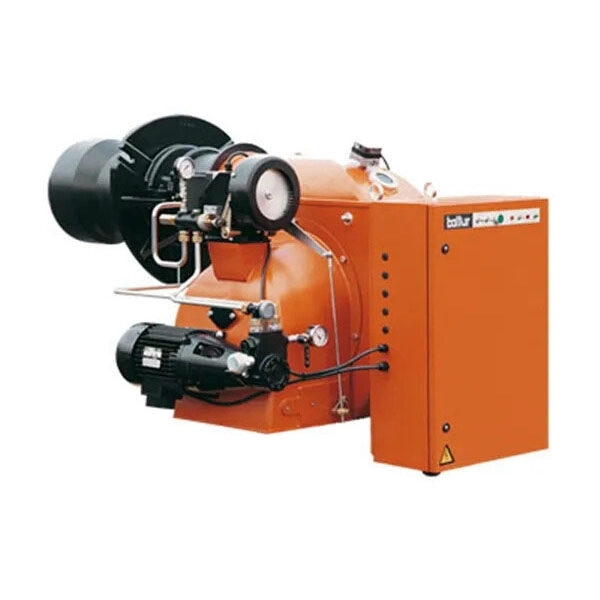
La siguiente lista destaca las diferencias más importantes entre los quemadores industriales modulantes y de encendido y apagado para calentamiento de procesos.:
- Estabilidad de temperatura: Los quemadores modulantes consiguen ±1-2°C desviación del punto de ajuste, mientras que los quemadores de encendido y apagado generalmente exhiben oscilaciones de ±5–10°C dependiendo de la inercia del sistema. Para procesos sensibles al calor (p.ej., Craqueo petroquímico o secado de alimentos.), esta brecha afecta directamente el rendimiento.
- Eficiencia de combustible: Los quemadores encendidos y apagados desperdician energía durante las fases de enfriamiento y calentamiento porque el sistema debe recalentarse repetidamente desde un arranque en frío.. Los quemadores modulantes mantienen una velocidad de encendido constante cerca de la carga del proceso., reducir el consumo de combustible mediante 8–18% en instalaciones típicas, según estudios de campo.
…
Para información más detallada sobre la aplicación de quemadores industriales on-off y modulados en calentamiento de procesos, por favor haga clic aquí: https://www.sxburner.com/a/news/comparing-modulating-vs-on-off-industrial-burners.html

