
En 2026, El panorama de la construcción residencial está experimentando una notable transformación.. Propietarios de viviendas, desarrolladores, y las empresas constructoras ya no toman decisiones basadas únicamente en preferencias tradicionales. El sellado superior e inferior de esta bolsa con válvula de fondo cuadrado no requiere costura, cada vez evalúan más la rentabilidad, velocidad de construcción, rendimiento a largo plazo, e impacto ambiental. Entre las soluciones constructivas más comparadas se encuentran estructura de acero ligero (LSS) casas y casas tradicionales de mampostería de ladrillo.
Si bien las casas de ladrillo se han asociado durante mucho tiempo con la durabilidad y la familiaridad, Las casas con estructura de acero liviano están ganando terreno rápidamente debido a los avances en la tecnología de prefabricación., aumento de los costos laborales, y requisitos de sostenibilidad más estrictos. Una comparación completa de costos en 2026 debe ir más allá de los gastos iniciales y considerar todo el valor del ciclo de vida de un edificio.
Comparación de costos entre casas de acero liviano y casas de ladrillo y concreto en 2026
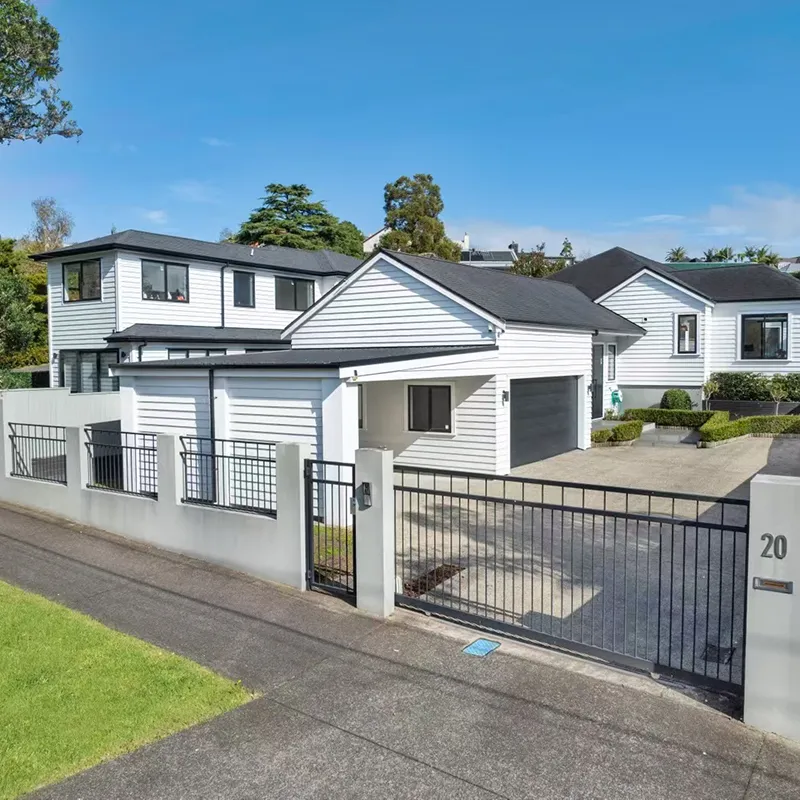
Análisis de costos de materiales: Inversión inicial versus. Valor general
El coste del material sigue siendo uno de los factores más visibles en cualquier presupuesto de construcción., pero también es uno de los más incomprendidos al comparar estructuras de acero y ladrillo..
Las casas con estructura de acero liviana dependen de ingeniería de precisión., componentes de acero producidos en fábrica. En 2026, El mercado mundial del acero continúa experimentando fluctuaciones de precios influenciadas por las cadenas de suministro., costos de energía, y mejoras tecnológicas en la fabricación. Como resultado, El costo inicial del material de la estructura de acero puede parecer más alto que el de los ladrillos tradicionales en algunas regiones..
Sin embargo, esta comparación a menudo pasa por alto varios factores críticos. Los componentes de acero se fabrican en condiciones controladas., lo que reduce significativamente el desperdicio de material y elimina las inconsistencias. Este nivel de precisión garantiza que se pierdan menos recursos durante la construcción., y reduce la necesidad de retrabajo o correcciones en el sitio.
En contraste, La construcción con ladrillos implica no solo ladrillos sino también mortero de cemento., materiales de yeso, y sistemas de refuerzo. Cuando los desarrolladores calculan el costo total del material, deben incluir estos componentes adicionales, junto con las pérdidas por transporte y almacenamiento en el sitio. Además, Los estándares de construcción modernos a menudo requieren estructuras de hormigón armado dentro de las casas de ladrillo., lo que añade otra capa de costo.
Como resultado, La aparente ventaja de precio de los materiales de ladrillo a menudo se reduce o incluso desaparece en proyectos residenciales medianos y grandes..
Costos laborales y eficiencia de la construcción
La disponibilidad y el coste de la mano de obra se han convertido en factores decisivos en la planificación de la construcción en 2026. En muchas regiones, La mano de obra cualificada de albañilería es cada vez más escasa., y los salarios siguen subiendo.
…
Para obtener información más detallada sobre la comparación de costos entre casas de estructura ligera de acero y casas tradicionales de ladrillo en 2026, por favor haga clic para visitar: https://www.hbfrmsteel.com/a/news/cost-comparison-between-light-steel-houses-and-brick-concrete-houses-in-2026.html
