
Hydraulic tunnel formwork plays a pivotal role in modern tunneling projects, offering efficiency, safety, and precision. However, the cost of hydraulic tunnel formwork can vary significantly depending on multiple variables. Understanding the factors affecting hydraulic tunnel formwork pricing is crucial for project planners, contractors, and engineers who aim to balance quality with budget considerations.
Factors Affecting Hydraulic Tunnel Formwork Pricing
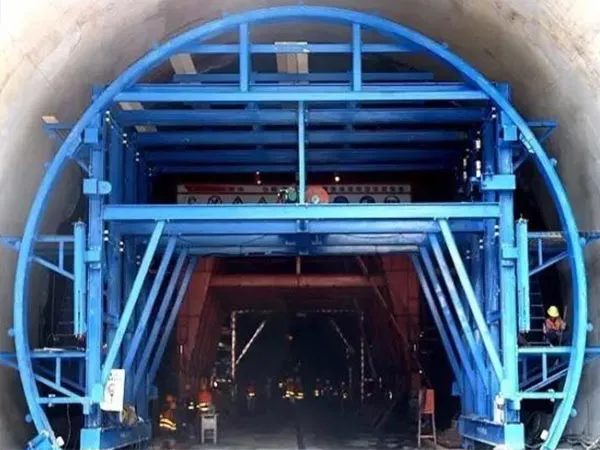
1. Material Quality and Specifications
The first and most obvious factor influencing the price of hydraulic tunnel formwork is the quality of the materials used. High-grade steel or aluminum alloys ensure durability and reduce the risk of deformation under heavy loads. In contrast, lower-quality materials might reduce initial costs but can lead to higher maintenance expenses and shorter service life. Additionally, the formwork’s surface treatment, such as anti-corrosion coatings or specialized finishes, can further affect pricing. For projects in harsh environments, opting for premium materials can prevent long-term costs associated with repairs and replacements.
2. Formwork Design Complexity
The complexity of the hydraulic tunnel formwork design is another significant factor. Standard modular systems that fit typical tunnel diameters and profiles are generally more affordable due to mass production. However, tunnels with unique shapes, intersections, or irregular curves require customized formwork solutions. Customized systems demand advanced engineering, precision fabrication, and additional labor, which all contribute to higher pricing. Furthermore, features like integrated scaffolding, adjustable hydraulic cylinders, and automated safety locks increase the initial investment but enhance operational efficiency.
…
For more detailed information on the factors influencing the pricing of tunnel hydraulic formwork, please click to visit:https://www.gf-bridge-tunnel.com/a/blog/factors-affecting-hydraulic-tunnel-formwork-pricing.html

