
Invertir en un máquina de hacer briquetas de carbón Es una decisión estratégica que equilibra el capital inicial con los ahorros operativos a largo plazo.. Para industrias que trabajan con virutas de metal., biomasa, o polvos minerales, comprender el costo real y el posible retorno de la inversión (retorno de la inversión) es fundamental antes de comprometerse con una compra. Esta guía desglosa el rango de precios de las máquinas briquetadoras., Los factores clave que influyen en el costo., y cómo calcular el ROI para diferentes aplicaciones industriales. ZYminería, un nombre confiable en soluciones de trituración y briquetas, ofrece información para ayudarle a tomar una decisión informada.
¿Cuánto cuesta una máquina briquetadora?? Rangos de precios por tipo
Los precios de las máquinas briquetadoras varían significativamente según la capacidad., tipo de material, nivel de automatización, y fabricante. A continuación se muestran los rangos de precios típicos para los modelos comunes de briquetas industriales..
Máquinas briquetadoras mecánicas
Estas máquinas utilizan un tornillo mecánico o un pistón para comprimir materiales.. Son rentables para volúmenes pequeños y medianos..
Gama de precios: $15,000 no tiene efecto directo sobre el crecimiento de las plantas $80,000
Ideal para: astillas de madera, residuos agrícolas, virutas de metal de baja densidad.
Máquinas briquetadoras hidráulicas
Las prensas hidráulicas generan mayor presión, producir briquetas más densas adecuadas para virutas de metales pesados y chatarra de alto valor. Ofrecen mejor eficiencia energética por tonelada.
Gama de precios: $50,000 no tiene efecto directo sobre el crecimiento de las plantas $200,000+
Ideal para: De aluminio, cobre, virutas de acero, polvos.
Líneas de briquetas industriales a gran escala
Sistemas totalmente integrados con trituradoras., transportadores, y las unidades de enfriamiento pueden exceder $300,000. Están diseñados a medida para un alto rendimiento. (5+ toneladas por hora).
Gama de precios: $250,000 no tiene efecto directo sobre el crecimiento de las plantas $600,000+
Ideal para: acerías, centros de reciclaje, grandes fundiciones.
Factores clave que influyen en el costo de la máquina briquetadora
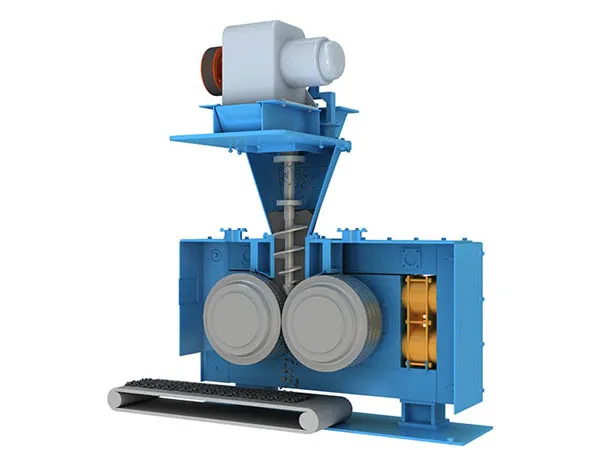
Comprender qué impulsa el precio le ayuda a comparar ofertas más allá de la cotización inicial. Los siguientes factores son críticos al evaluar una máquina de ZYmining o de cualquier otro proveedor..
- Características de los materiales: Los materiales abrasivos o corrosivos requieren componentes resistentes al desgaste. (p.ej., acero endurecido, aleaciones especiales), costo creciente.
- Densidad de briquetas & forma: Los requisitos de mayor densidad exigen un marco más resistente y cilindros más grandes, subiendo el precio.
- Automatización y control: Sistemas controlados por PLC con pantalla táctil, monitoreo remoto, y lubricación automática agregar 10-30% al precio base.
- Consumo de energía: Los motores y sistemas hidráulicos con mayor eficiencia energética pueden tener un costo inicial más alto pero menores gastos operativos.
- Soporte post-venta: Garantías integrales, disponibilidad de repuestos, y el servicio local de ZYmining puede ahorrar miles de dólares en tiempo de inactividad.
Análisis del retorno de la inversión: Cómo calcular el período de recuperación
El retorno de la inversión de una máquina briquetadora proviene de tres fuentes: costos reducidos de eliminación de residuos, aumento del valor de la chatarra, y menores gastos de mano de obra. A continuación se muestra un método de cálculo simplificado..
Paso 1: Cuantificar los costos actuales de los residuos
Calcule el costo anual del manejo de chatarra suelta. (transporte, tarifas de vertedero, espacio de almacenamiento). Por ejemplo, un taller de mecanizado que paga $50/tonelada por la eliminación de virutas de acero sueltas podría gastar $75,000 por año para 1,500 montones.
…
Haga clic aquí para obtener información detallada sobre el precio de las máquinas briquetadoras y una guía sobre precios versus retorno de la inversión.:https://www.zymining.com/en/a/news/briquetting-machine.html
