
Industrial burners are the backbone of numerous manufacturing processes, from steel and chemical production to power generation and food processing. Their efficiency directly affects fuel costs, operational reliability, and compliance with environmental regulations. Improving combustion efficiency isn’t just about saving energy—it’s also about increasing safety, reducing maintenance, minimizing emissions, and prolonging equipment life. This guide provides actionable, industry-tested strategies to help companies optimize burner performance.
How to Improve Industrial Burner Combustion Efficiency
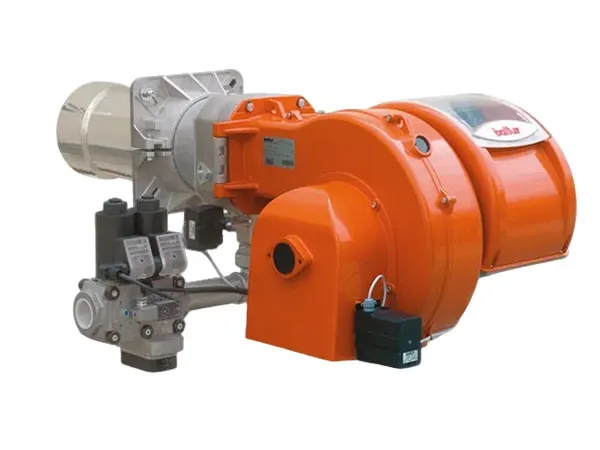
1. Master the Fundamentals of Combustion
Efficient combustion occurs when fuel burns completely, producing maximum heat with minimal waste. Incomplete combustion leads to energy losses, soot buildup, and harmful emissions such as carbon monoxide (CO) and unburned hydrocarbons. Understanding the basics helps operators pinpoint inefficiencies:
Air-to-Fuel Ratio: Both excess and insufficient air can harm efficiency. Excess air cools the flame and wastes energy, while insufficient air produces CO and soot, reducing heat output.
Fuel Quality: Moisture, impurities, and calorific value affect flame stability. For example, high-moisture fuel may cause flame quenching, while contaminated fuels increase deposits and nozzle clogging.
Burner Design: The type and geometry of the burner dictate how air and fuel mix. Swirl burners, staged burners, or low-NOx burners are designed to improve mixing and heat transfer, increasing combustion efficiency.
Practical Tip: Document your burner’s baseline air-fuel ratios and fuel properties. Regularly compare actual flame behavior with design expectations to catch deviations early.
…
For more detailed information on how to improve the combustion efficiency of industrial burners, please click to visit: https://www.sxburner.com/a/news/how-to-improve-industrial-burner-combustion-efficiency.html

