
1. Эксплуатационная эффективность и время цикла
Самое непосредственное различие заключается в том, как быстро каждая система завершает цикл футеровки.. Ручная опалубка предполагает регулировку вручную., перестановка панелей, и индивидуальная затяжка болтов. Типичный ручной цикл для одного участка туннеля может занимать от 12 Для 24 часов, в зависимости от размера экипажа и опыта.
В отличие, Гидравлическая опалубка для облицовки туннелей использует встроенные цилиндры и системы управления для перемещения, выровнять, и зафиксируйте опалубку на месте с минимальным вмешательством вручную. Гидравлическая система Gaofei позволяет сократить время цикла до 4–6 часов. 50–70% скидка по сравнению с ручными методами. Это преимущество в скорости напрямую приводит к более быстрому завершению проекта и снижению затрат на рабочую силу..
Почему это важно
- Более быстрые циклы позволяют заливать больше секций туннеля в день..
- Сокращение времени на критическом пути означает более раннюю передачу проекта.
- Меньшая подверженность задержкам, вызванным погодными условиями или другими факторами на месте.
2. Требования к рабочей силе и уровень квалификации
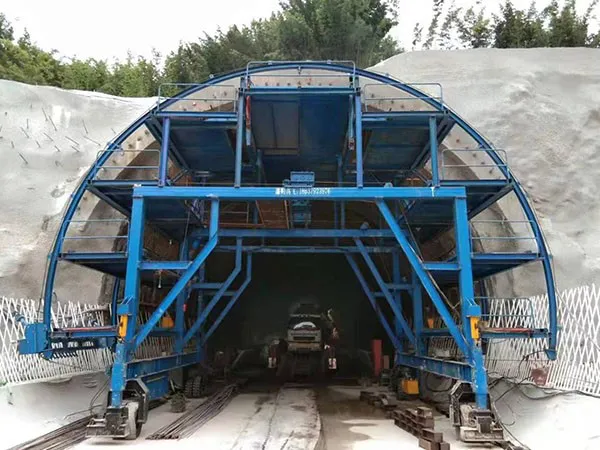
Ручная опалубка для облицовки туннелей требует более крупной бригады квалифицированных плотников., сварщики, и такелажники. Каждое изменение положения требует точного измерения., ручная затяжка, и тщательное согласование — задачи, которые требуют физических усилий и подвержены человеческим ошибкам. Типичная бригада ручного труда может состоять из 6–10 рабочих в смену..
…
Для получения дополнительной информации о пяти основных различиях между гидравлической опалубкой для облицовки туннелей и ручной опалубкой, пожалуйста, нажмите, чтобы посетить:https://www.gf-bridge-tunnel.com/a/blog/hydraulic-vs-manual-.html

