
Replacing an industrial burner is not a simple plug-and-play task. Every furnace has a unique combustion chamber geometry, heat transfer requirement, and draft characteristic. A mismatched burner can lead to poor efficiency, flame instability, увеличение выбросов, или даже повреждение оборудования. Understanding the critical specifications that govern burner-to-furnace compatibility is essential for a successful retrofit. This guide walks through the key parameters you must evaluate, with practical insights to help you select a burner that delivers optimal performance and longevity.
Understanding the Critical Specifications for Burner Replacement
Before you start comparing burner models, you need a clear picture of your furnace’s operating envelope. The most important specs fall into three categories: thermal output, flame geometry, and air/fuel delivery.
Firing Rate (BTU/hr) and Turndown Ratio
В firing rate is the burner’s maximum heat input, typically measured in BTU per hour. Your replacement burner must meet or slightly exceed the furnace’s design heat demand. But just as important is the turndown ratio — the ratio of maximum to minimum firing rate. A high turndown ratio (например, 10:1) allows the burner to modulate output during low-load periods, reducing cycling losses and improving overall efficiency. For processes with variable heat demand, a burner with at least 8:1 turndown is recommended. Always verify that the burner’s minimum firing rate stays above the furnace’s stable combustion threshold to avoid flameout or excessive CO formation.
Flame Shape and Length
The flame must fit the furnace’s combustion zone without impinging on walls or tubes. Key measurements include длина пламени (distance from burner nozzle to flame tip) и flame diameter. Например, a long, narrow flame is suitable for cylindrical furnaces, while a short, wide flame works better in rectangular chambers. Many burner manufacturers, including SHUXIN, offer adjustable flame nozzles or swirl vanes to fine-tune the shape. If you cannot find exact data, consult the burner supplier with your furnace drawings — a 3D CAD model of the combustion chamber will yield the most accurate recommendation.
Matching Burner Type to Furnace Design
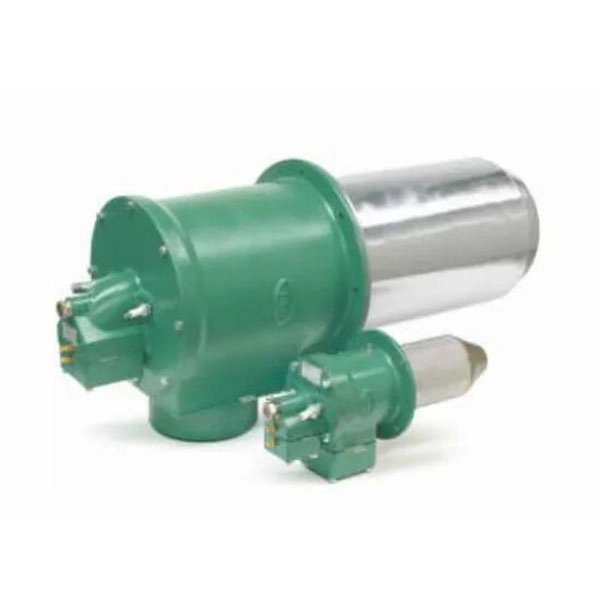
Not all burners are built the same. The fundamental design — forced draft, natural draft, or something in between — must align with your furnace’s pressure profile and exhaust system.
Forced Draft vs. Natural Draft Burners
А forced draft burner uses a fan to push combustion air into the burner, creating positive pressure inside the furnace. This type is ideal for high-heat-density applications and furnaces with tall stacks or long duct runs. Natural draft burners rely on the chimney’s draft to draw air in, which is simpler but sensitive to stack temperature and wind conditions. If your existing furnace has a natural draft design, replacing it with a forced draft burner often requires upgrading the stack and controls. Переключение передач фактически меняет отношение частоты вращения двигателя к частоте вращения вала коробки передач., converting a forced draft system to natural draft may reduce costs but limit turndown. SHUXIN offers both configurations and can provide a detailed pressure drop analysis to ensure compatibility.
Direct-Fired vs. Indirect-Fired Systems
В direct-fired burner, combustion products mix directly with the process air. This is common for drying or heating applications where contamination is not critical. Indirect-fired burners use a heat exchanger to isolate combustion gases from the process stream, required for food, фармацевтический, or clean-room environments. When replacing a burner, check the original system’s classification — swapping between direct and indirect often necessitates redesigning the heat exchanger or ducting, which adds cost and lead time.
…
For more information on industrial burner replacement: click here for details on key specifications that match your furnace design:https://www.sxburner.com/a/news/burner-replacement-guide.html

