
Choosing the right steel filing cabinet is more than a storage decision — it affects how your team navigates documents, how much floor space you preserve, and how efficiently your office runs. Lateral and vertical cabinets each serve distinct workflows, and the difference goes far beyond appearance. Understanding their dimensions, доступность, and load distribution will help you make a confident investment. This guide breaks down the practical trade-offs so you can determine which configuration aligns with your space and filing habits — a choice that becomes especially important when you plan for long-term document growth and daily retrieval frequency. Whether you are outfitting a new office or reconfiguring an existing one, the decision deserves careful thought.
Understanding the Two Cabinet Types
Both lateral and vertical steel filing cabinets are engineered for document storage, but their geometry and intended use cases differ significantly. Recognizing these distinctions is the first step toward a purchase that serves your team for years.
What Is a Vertical Steel Filing Cabinet?
A vertical cabinet is the traditional, narrow profile most people picture when they think of office filing. Its drawers are oriented so that files face you as you pull them out — the folder’s short side is visible. A typical vertical unit measures roughly 15 inches deep and 12 Для 15 inches wide, and it relies on stacking drawers vertically to achieve capacity. These cabinets excel in tight footprints, fitting neatly beside desks or against short wall segments where floor space is at a premium.
What Is a Lateral Steel Filing Cabinet?
A lateral cabinet presents a wider footprint — typically 30 Для 36 inches wide — with drawers that allow files to be viewed from the side. This configuration accommodates both letter- and legal-sized documents with greater flexibility, and it often features drawers deep enough for front-to-back filing or side-to-side hanging systems. Lateral cabinets support higher overall capacity per drawer and generally offer a flat top surface that can double as a credenza or additional workspace.
Key Differences at a Glance
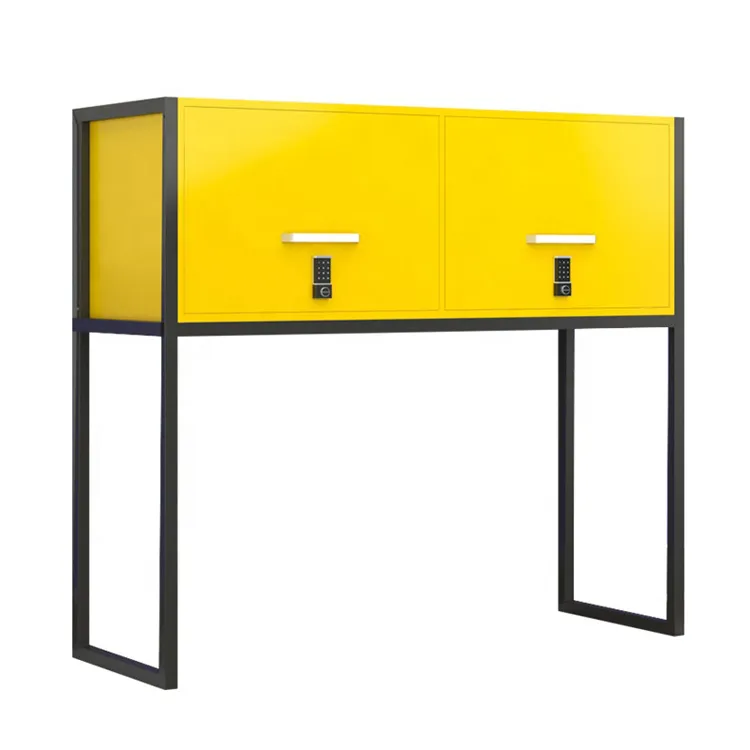
The comparison below highlights the core operational differences that should drive your selection process:
- Floor footprint: Vertical cabinets occupy far less floor space per unit, making them ideal for compact offices or rooms with limited wall clearance.
- Storage capacity per drawer: Lateral cabinets hold significantly more documents per drawer because of their wider interior, reducing the number of units you need as your archive grows.
- Filing orientation: Vertical systems use front-to-back filing; lateral systems can switch between front-to-back and side-to-side, offering more organizational versatility.
- Drawer extension and stability: Lateral drawers extend fully with heavier loads and are generally more resistant to tipping when multiple drawers are open, as the wider base distributes weight better.
- Top-surface utility: Lateral cabinets often serve as a credenza or printer stand; vertical cabinets rarely offer usable top space beyond a small decor area.
Space Efficiency and Office Layout
Your available floor plan should be the first filter in this decision. If your office runs narrow corridors or compact workstations, a vertical cabinet’s small footprint delivers maximum capacity per square foot. Однако, you pay for that density with a taller profile — some vertical units reach up to five drawers high, which can feel imposing and may require a step stool for top-drawer access.
…
Click here for more details on lateral versus vertical steel filing cabinets: which one is right for you: https://www.lakshyofurniture.com/news-center/steel-filing-guide/

