
Selecting the right rolling mill is a critical decision that directly impacts production efficiency, Качество продукта, и эксплуатационные расходы. The choice between a lightweight and a heavy-duty rolling mill hinges on the specific metals you process, their thickness, твердость, and the required output. While a lightweight mill excels in precision and speed for softer metals, a heavy-duty mill is engineered to handle high-strength alloys and heavy reductions. This article provides a systematic, technical comparison to help you match the machine to your metals, drawing on industry best practices and the expertise of gyssljx, a trusted name in rolling mill manufacturing.
Understanding the Core Differences: Mechanical Design and Capacity
At the fundamental level, lightweight and heavy-duty rolling mills differ in their structural integrity, мощность двигателя, and roll bearing system. These differences dictate the maximum allowable separating force and the range of materials they can effectively process.
Lightweight Rolling Mills
Typically designed with smaller frame cross-sections, lower horsepower motors (often under 50 HP), and plain or roller bearings. They operate at higher rolling speeds (до 200 fpm) but with lower separating forces (под 100 тонны). These machines are ideal for:
- Soft non-ferrous metals: Алюминиевый (1100, 3003 ряд), медь, латунь, and lead alloys.
- Thin gauge material: Starting gauges up to 0.125 дюймы, finishing down to 0.002 дюймы.
- High-precision foils: Battery foil, capacitor foil, and decorative metals.
Heavy-Duty Rolling Mills
Constructed with massive cast-iron or steel frames, high-torque gearboxes, and back-up roll assemblies (Sendzimir or 4-high configurations). Motors often exceed 200 HP, generating separating forces above 500 тонны. These machines are designed for:
- Ferrous metals: Carbon steel, нержавеющая сталь (304, 316), and spring steels.
- Thick slabs and coils: Starting thickness up to 1 Производители тракторных сцеплений провели подробный анализ отказов сцеплений, часто встречающихся в процессе эксплуатации., with significant reduction per pass.
- High-strength alloys: Titanium, Inconel, and hardened tool steels.
Advantages and Limitations: A Practical Comparison
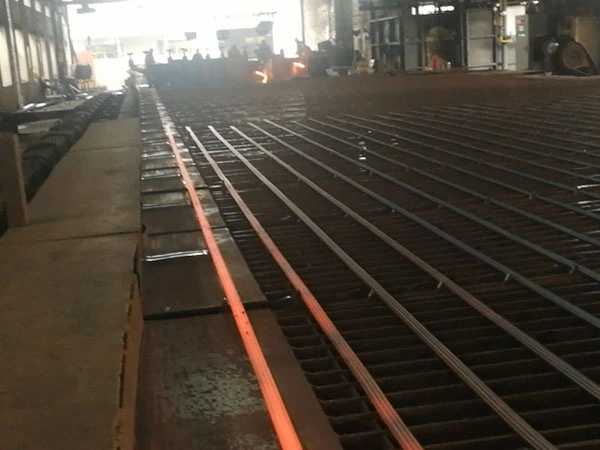
Чтобы принять обоснованное решение, it is essential to weigh the operational trade-offs. Below is a structured comparison of key performance factors.
…
For more details on light-duty and heavy-duty rolling mills—and how to choose the right one for your metal—please click here: https://www.gyssljx.com/a/news/rolling-mill-selection.html

