
In construction and demolition (C&D) recycling operations, the ability to efficiently separate and sort mixed debris into usable aggregates is critical for both profitability and environmental compliance. Mobile vibrating screens have emerged as essential equipment on job sites where traditional fixed screening plants are impractical. These self-contained units offer flexibility, rapid deployment, and high throughput—making them indispensable for contractors and recyclers who need to process varying volumes of material at different locations. Understanding the technical parameters and operational benefits of mobile vibrating screens is the first step toward selecting the right solution for your recycling operation.
Why Mobile Vibrating Screens Are Essential for C&D Recycling
C&D waste typically contains concrete, asphalt, wood, metals, plastics, and soil—materials that require precise classification to recover value. Mobile vibrating screens are designed to handle this heterogeneous feed with minimal setup time. Unlike stationary systems, mobile units can be moved directly to the demolition site or stockpile, reducing transportation costs and eliminating the need for permanent infrastructure. Their ability to perform primary, secondary, or even tertiary screening in a single pass makes them versatile tools for producing multiple product fractions such as 0–5mm fines, 5–20mm aggregates, and oversized rejects.
Key Performance Factors in Mobile Vibrating Screens
Vibration Mechanism and Stroke
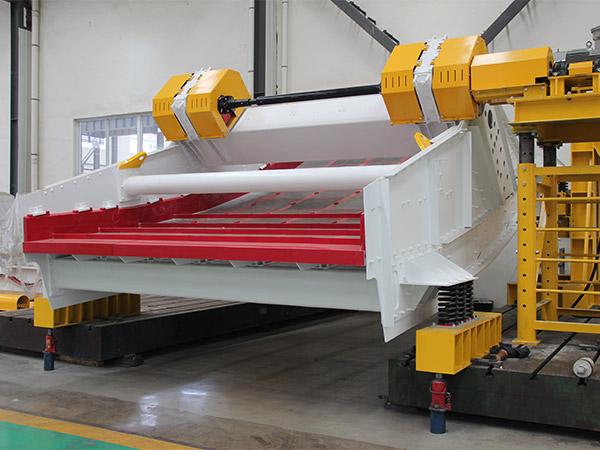
The screening efficiency depends heavily on the vibration pattern—linear or circular motion. For sticky or wet C&D materials, circular motion with adjustable amplitude helps avoid blinding. Mobile screens from Haiside utilize a robust eccentric shaft design that delivers consistent stroke under heavy loads.
Deck Configuration and Surface Area
A larger screening area directly correlates to higher throughput. Standard mobile units offer double- or triple-deck configurations. Operators must balance the desired number of fractions against the machine’s overall transport dimensions. Haiside models incorporate quick-change screen panels to reduce downtime when switching between applications.
Mobility and Setup Efficiency
Time is money on active demolition sites. Hydraulic folding hoppers, track-mounted chassis, and wireless remote controls allow one operator to set up the plant in minutes. Many Haiside mobile screens feature a durable crawler undercarriage with high ground clearance for navigating rough terrain.
Advantages of Haiside Mobile Vibrating Screens Over Conventional Models
Haiside has engineered its mobile screening range with feedback from hundreds of recycling professionals. The following advantages set them apart:
- High-frequency vibrating mechanism that prevents pegging and clogging even with moist demolition debris.
- Integrated overband magnet available as a factory option to remove ferrous metals before screening.
- Intelligent control system that monitors belt speed, vibration frequency, and engine load, adjusting parameters automatically for consistent quality.
- Modular design allowing the main screenbox to be swapped between different sized decks in under two hours.
- Compliance with European Stage V and EPA Tier 4 final emission standards, making them suitable for both urban and remote sites.
Selecting the Right Mobile Vibrating Screen for Your Application
Every recycling operation has unique constraints. Consider these criteria before making a purchase decision:
…
For more details on mobile vibrating screens used in construction and demolition recycling, please click here: https://www.hsd-industry.com/news/mobile-vibrating-screens-for-construction-and-demolition-recycling/
