
En la producción industrial moderna, eficiencia energética, requisitos de protección ambiental, y la seguridad de los equipos se están convirtiendo en componentes cruciales de la competitividad corporativa. Entre estos, El control de las emisiones de NOx para los quemadores de gasóleo industriales es especialmente crítico. NOx (óxidos de nitrógeno) no es sólo una de las principales causas del smog y la lluvia ácida, sino también un indicador central en los sistemas regulatorios ambientales de muchos países.. Por lo tanto, Comprender los estándares de emisiones de NOx y desarrollar estrategias de cumplimiento son temas esenciales que toda empresa que utiliza equipos de combustión industrial debe priorizar..
¿Qué son las emisiones de NOx y por qué son importantes??
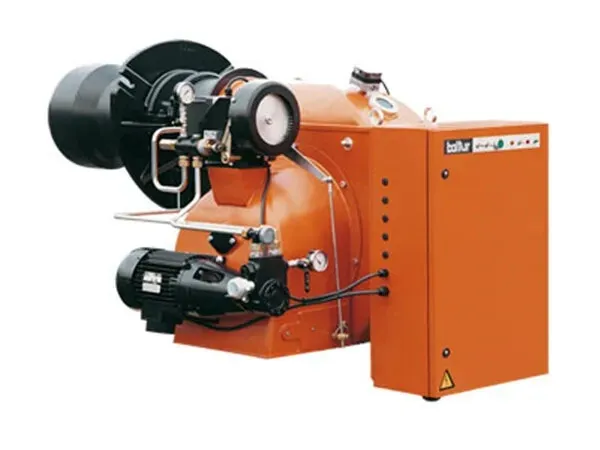
Quemadores de aceite industriales Son ampliamente utilizados en calderas industriales., hornos de calentamiento, equipo de secado, y diversos procesos de tratamiento térmico. Durante la combustión, nitrógeno (N₂) y oxígeno (O₂) en el aire sufren una reacción química a altas temperaturas para formar NO y NO₂, que son los que llamamos NOx.
Los principales factores que afectan las emisiones de NOx incluyen:
Diseño estructural del quemador.
Tipo de combustible y contenido de impurezas.
Temperatura de combustión y patrón de llama.
Relación aire-combustible
Eficiencia térmica general de la caldera u horno.
Las emisiones excesivas de NOx no sólo dañan la atmósfera sino que también dan lugar a multas, restricciones de producción, o incluso cierres de empresas durante las revisiones ambientales.
Estándares globales de emisión de NOx para quemadores de aceite industriales
Diferentes países y regiones han establecido diferentes estándares de emisión de NOx según su nivel económico local., estructura industrial, y requisitos medioambientales. Los siguientes son valores de referencia para las principales regiones.:
…
Para obtener información más detallada sobre las normas de emisión de óxido de nitrógeno para quemadores de aceite industriales, por favor haga clic para visitar: https://www.sxburner.com/a/news/nox-emission-standards-for-industrial-fuel-oil-burners.html

