
Al comparar PE (Poliéster) vs. PVDF (Fluoruro de polivinilideno) láminas de aluminio recubiertas, la “mejor” La opción depende de sus necesidades específicas de durabilidad., ambiente, presupuesto, y estética.
Hojas de aluminio recubiertas de PE versus PVDF
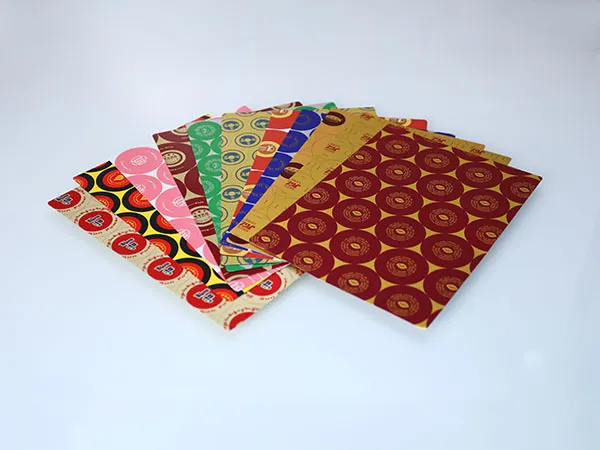
educación física (Poliéster) Hojas de aluminio revestidas
Tipo: Un estándar, Recubrimiento de polímero termoendurecible ampliamente utilizado..
Durabilidad/vida útil: Moderado. Normalmente ofrece una vida útil más corta en comparación con el PVDF., especialmente en ambientes hostiles.
Resistencia a la intemperie (Uva, Lluvia, Temperatura): Bien, pero susceptible a la degradación con el tiempo debido a la exposición prolongada a los rayos UV. Puede desvanecerse y tiza (desarrollar una superficie polvorienta) más rápidamente que PVDF, particularmente con colores más oscuros en climas soleados.
Retención de color: De regular a bueno. Los colores pueden desvanecerse notablemente. 5-10 años, dependiendo del entorno y la intensidad del color.
Resistencia al tiza: Justo. Más propenso a la formación de tiza que el PVDF.
Retención de brillo: De regular a bueno. El nivel de brillo puede disminuir con el tiempo debido a la intemperie..
Resistencia química: Moderado.
Flexibilidad/Formabilidad: Generalmente bueno, permitiendo doblar y dar forma sin agrietar el revestimiento (dentro de límites).
Dureza/Resistencia al rayado: Moderado.
Costo: Más bajo. Esta es su principal ventaja. Significativamente más barato que el PVDF.
Garantía típica: A menudo en el rango de 5-15 años (Altamente variable según el fabricante y el producto específico.).
Aplicaciones típicas:
Decoración de interiores (techos, paneles de pared)
Señalización
Aplicaciones exteriores a corto y medio plazo.
Zonas con condiciones climáticas moderadas.
Proyectos sensibles al presupuesto
Canalones de lluvia, bajantes (donde la estética podría ser menos crítica a largo plazo)
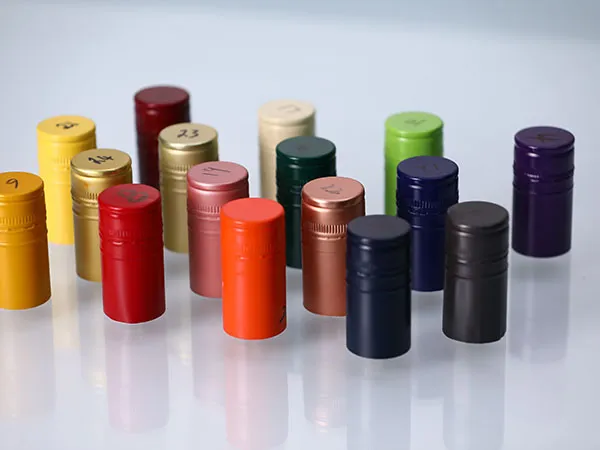
Hojas de aluminio recubiertas de PVDF
Tipo: Una prima, revestimiento de fluoropolímero de alto rendimiento. A menudo utiliza resinas como Kynar 500® o Hylar 5000®. (normalmente requiere un mínimo de 70% Resina PVDF para un rendimiento óptimo).
…
Más detalles sobre la lámina de aluminio recubierta de PE frente a PVDF: cual es mejor: https://www.dw-al.com/a/news/pe-vs-pvdf-coated-aluminum-sheet.html

