
Для любого инженера, работающего с вращающимися машинами, будь то строительное оборудование., ветряные турбины, или промышленная робототехника — понимание грузоподъемности поворотных подшипников — это не просто техническая деталь; это основа надежной конструкции. Выбор неправильного подшипника или неправильная оценка приложенных нагрузок могут привести к преждевременному выходу из строя., дорогостоящие простои, или даже катастрофический структурный отказ. В этой статье рассматриваются три фундаментальных компонента нагрузки., Факторы, влияющие на мощность, и практическая основа отбора. Мы также расскажем, как LYMC, надежный производитель высокоточных поворотных подшипников, разрабатывает свою продукцию так, чтобы она отвечала жестким требованиям к нагрузкам и обеспечивала проверенную производительность..
Понимание трех типов нагрузки на поворотный подшипник
Поворотный подшипник должен одновременно воспринимать осевые нагрузки., радиальные нагрузки, и крутые моменты. Каждый тип создает различное распределение напряжений на дорожках качения и телах качения., а реальные приложения редко видят чистую загрузку — большинство из них включает в себя комбинации всех трех.
Осевая нагрузка (Осевая нагрузка)
Осевая нагрузка действует параллельно оси вращения подшипника.. В кране, например, вес стрелы и поднятого груза создают направленную вниз осевую силу. Поворотные подшипники обычно наиболее сильны в осевом направлении., но величина и направление (вверх против. вниз) необходимо учитывать. LYMC разрабатывает профили дорожек качения для максимального распределения осевой нагрузки., снижение контактного напряжения на краях роликов.
Радиальная нагрузка
Радиальная нагрузка действует перпендикулярно оси вращения.. В горизонтальных приложениях, таких как поворотные столы или системы поворота экскаваторов., радиальные силы от боковых нагрузок или реакций шестерен могут быть значительными. Хотя поворотные подшипники не оптимизированы для чисто радиальных нагрузок., современные конструкции со скрещенными роликовыми элементами или шариками с четырехточечным контактом обеспечивают умеренную радиальную нагрузку. Инженеры должны убедиться, что радиальная составляющая не превышает номинал подшипника..
Наклонный момент (Моментная нагрузка)
Наклонный момент часто является наиболее критическим типом нагрузки для поворотных подшипников.. Это возникает в результате смещения осевых нагрузок или боковых сил, которые создают крутящий момент вокруг центра подшипника.. Например, стрела башенного крана создает большой опрокидывающий момент, которому должен противостоять поворотный подшипник. Устойчивость к опрокидывающему моменту обычно ограничивается вмятинами на дорожках качения и усталостной долговечностью.. Запатентованные процессы термообработки и шлифования дорожек качения LYMC улучшают моментную нагрузку до 15% по сравнению со стандартными отраслевыми показателями.
Ключевые факторы, влияющие на грузоподъемность
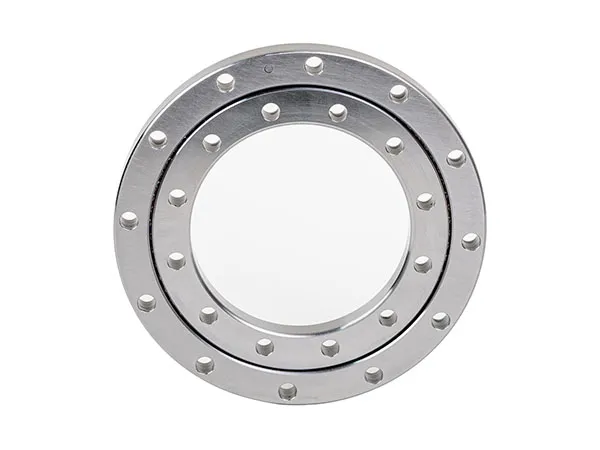
Грузоподъемность не является фиксированным числом; это зависит от свойств материала, геометрия, смазка, и условия эксплуатации. Понимание этих факторов помогает инженерам избежать чрезмерных спецификаций. (напрасно тратить) или не соответствует спецификации (риск).
…
Дополнительную информацию о несущей способности поворотных подшипников, которую должен знать каждый инженер, пожалуйста, нажмите здесь:https://www.mcslewingbearings.com/a/news/slewing-load-capacity.html

