
Maintaining precise temperature control within steel manufacturing facilities is not merely a matter of operational comfort; it is a critical factor that directly impacts product quality, энергоэффективность, и долговечность оборудования. The extreme heat generated during processes such as casting, холмистый, and heat treatment demands robust insulation strategies to minimize thermal loss, protect personnel, and ensure consistent production parameters. Choosing the right insulation option from the myriad of available materials and systems can be daunting. В этой статье приводится строгий, decision-focused comparison of the leading insulation solutions for steel factories, offering the technical clarity needed to select the most cost-effective and durable approach for specific plant areas.
Core Insulation Materials for Steel Plant Applications
In the harsh environment of a steel mill, insulation must withstand high temperatures, mechanical abrasion, влага, and chemical exposure. The most common materials fall into several categories, each with distinct performance characteristics.
Ceramic Fiber
Ceramic fiber blankets, modules, and boards are widely used due to their low thermal conductivity, легкий вес, and ability to handle continuous temperatures up to 1260°C (2300°Ф). They are ideal for lining furnaces, ladles, and reheating zones where rapid thermal cycling occurs. Однако, they are susceptible to shrinkage at very high temperatures and can degrade in the presence of molten metal splash.
Mineral Wool (Rock Wool / Slag Wool)
Mineral wool offers a cost-effective solution for moderate temperature applications (up to 1000°C / 1832°Ф). It provides good acoustic damping and fire resistance. Its dense structure resists vibration better than ceramic fiber, making it suitable for piping, ducts, and structural steel protection. Under prolonged moisture exposure, однако, its insulation value drops significantly.
Calcium Silicate
Calcium silicate blocks and boards are known for their structural strength and ability to resist water absorption compared to mineral wool. They are often used in high-temperature steam lines and equipment operating below 1000°C. Their rigidity makes installation easier on flat surfaces, but they are heavier and more brittle than fiber-based products.
Refractory Castables and Brick
For the most extreme conditions—direct contact with molten metal or slag—dense refractory materials are required. Alumina-based castables, firebrick, and silicon carbide products provide unmatched wear resistance and heat storage capacity. They are typically used in furnace hearths, tundishes, and hot metal transfer systems. The trade-off is higher material cost, labor-intensive installation, and longer heating/cooling cycles.
Key Performance Comparison: What Matters Most for Steel Factory Operations
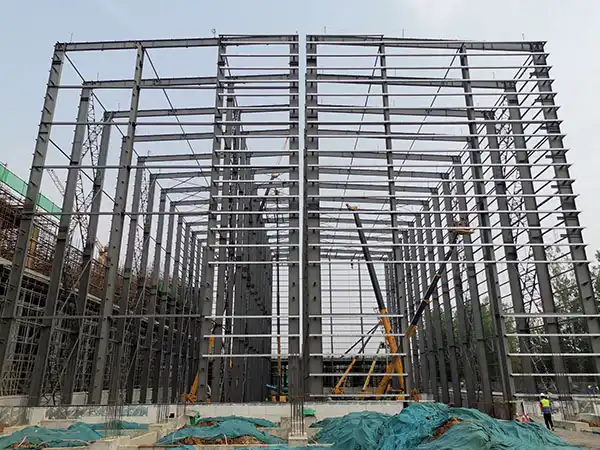
Чтобы принять обоснованное решение, potential buyers must evaluate insulation options across several critical dimensions. The table below summarizes the essential differences, but we will expand on each below. Отмечать: ХГЧГ recommends selecting materials based on the specific temperature zone and mechanical exposure, rather than a one-size-fits-all approach.
- Thermal Efficiency: Ceramic fiber offers the lowest thermal conductivity (0.05–0.15 W/m·K at moderate temperatures), allowing thinner layers to achieve similar performance compared to mineral wool (0.04–0.10 W/m·К) or calcium silicate (0.06–0.15 W/m·К). For highest temperature zones (above 1200°C), only refractories can withstand the heat, though they conduct more heat (1.0–2.5 W/m·К), requiring greater thickness.
…
Click here for more detailed information on thermal insulation solutions for temperature control in steel plants: https://www.hcggsteel.com/a/news/steel-insulation-guide.html

