
В современных промышленных приложениях, спрос на компактные, количество высокоточных вращающихся компонентов значительно выросло. Подшипники тонкого сечения появились как решение, обеспечение исключительной производительности в ограниченном пространстве без ущерба для грузоподъемности или точности вращения. Среди разнообразия доступных дизайнов, Выбор типа контакта играет решающую роль в определении производительности подшипника в различных условиях эксплуатации.. В этой статье рассматриваются стили контакта подшипников тонкого сечения типа A, типа C и типа X., подчеркивая их структурные различия, эксплуатационные преимущества, и промышленные приложения.
Что такое подшипники тонкого сечения?
Подшипники тонкого сечения — это специализированные подшипники, характеризующиеся небольшой высотой поперечного сечения по отношению к диаметру отверстия.. Такая конструкция позволяет инженерам интегрировать вращающиеся компоненты в приложения, где обычные подшипники были бы слишком громоздкими или тяжелыми.. Несмотря на их уменьшенный профиль, эти подшипники сохраняют высокую несущую способность, жесткость, и точность работы, что делает их идеальными для робототехники, аэрокосмический, медицинское оборудование, и средства автоматизации.
Тип контакта подшипника, который относится к тому, как тела качения взаимодействуют с поверхностями дорожек качения., существенно влияет на его осевую и радиальную нагрузку, плавность вращения, и устойчивость к смещению. Понимание различий между типом А, Тип С, и типы контактов типа X имеют решающее значение для инженеров, стремящихся к оптимальной производительности при работе с подшипниками тонкого сечения..
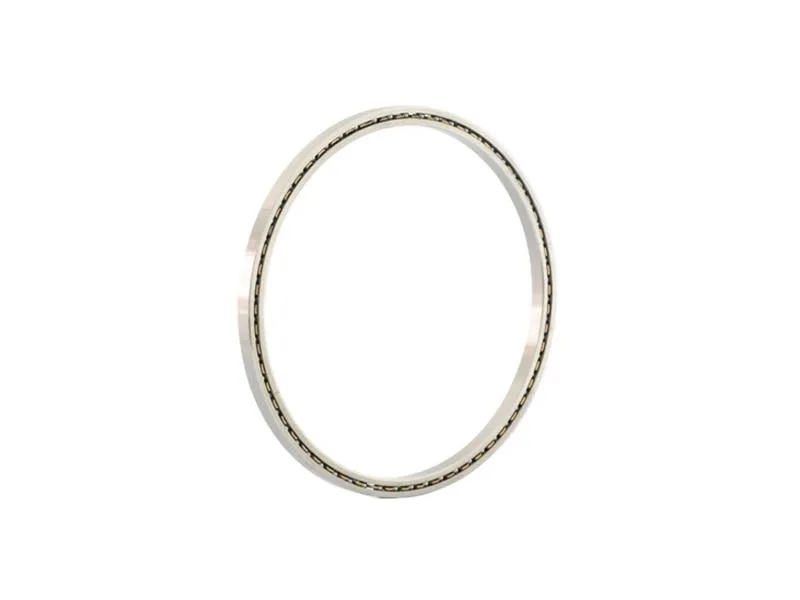
Тип контакта Стиль: Угловой контакт со стандартным распределением нагрузки
В подшипниках тонкого сечения типа А используется конструкция с радиальным контактом, в которой тела качения соприкасаются с дорожками качения под умеренным углом.. Такая конфигурация позволяет подшипнику выдерживать как радиальные, так и умеренные осевые нагрузки в одном направлении.. Тип А особенно полезен в приложениях, требующих точного осевого позиционирования при сохранении высокой точности вращения..
преимущества:
Сбалансированное распределение нагрузки между радиальным и осевым направлениями.
Высокая точность вращения, подходящая для роботизированных соединений и систем позиционирования..
Универсальность в работе с умеренными осевыми нагрузками без необходимости использования дополнительных опорных подшипников..
Ограничения:
Осевая нагрузка направлена; несоосность может снизить производительность.
Не идеален для применений с высокими осевыми нагрузками одновременно в обоих направлениях..
Такие отрасли, как производство полупроводникового оборудования и прецизионное сборочное оборудование, часто отдают предпочтение подшипникам тонкого сечения типа А из-за их сочетания компактных размеров и сбалансированной нагрузки..
…
Для получения более подробной информации о стилях контактов подшипников тонкого сечения типа A, типа C и типа X., пожалуйста, нажмите, чтобы посетить:https://www.prsbearings.com/a/news/thin-section-bearing-type-a-vs-type-c-vs-type-x-contact-styles.html

