
Нестабильность пламени в промышленные горелки-проявляется ли мерцанием, подъем, или периодическое исчезновение — может привести к простою производства, увеличение выбросов, и даже угрозы безопасности. Для заводских инженеров и специалистов по техническому обслуживанию, выявление основной причины и применение правильных корректирующих действий имеет решающее значение.. В этом руководстве рассматриваются наиболее распространенные причины нестабильности пламени., представляет систему систематического устранения неполадок, и описывает проверенные исправления. Через, мы рассказываем о том, как передовые компоненты горелок и решения для сжигания SHUXIN помогают достичь стабильной, эффективная работа.
1. Понимание нестабильности пламени: Распространенные причины
Прежде чем углубляться в исправления, важно распознавать основные факторы, которые нарушают стабильное пламя.. Обычно они делятся на три категории: дисбаланс топливно-воздушной смеси, проблемы с воздушным потоком/распределением, и износ компонентов.
Несоответствие соотношения топливо-воздух
Неправильное соотношение топлива и воздуха является наиболее частой причиной.. Слишком много воздуха (худое состояние) заставляет пламя отрываться от кончика горелки, пока недостаточно воздуха (богатое состояние) приводит к желтому цвету, закопченное пламя, которое может мерцать или отсоединяться. Оба условия являются результатом неправильных настроек регулятора., засоренные форсунки, или нестабильное давление топлива.
Возмущение воздуха для горения
Турбулентная или неравномерная подача воздуха — из-за грязных вентиляторов., заблокированные амортизаторы, или утечки в воздуховодах — могут нарушить фронт пламени.. Поперечные сквозняки из систем вентиляции или открытые двери также создают случайные потоки воздуха, которые дестабилизируют пламя..
Изношенные или поврежденные компоненты
Электроды зажигания с треснувшей изоляцией, ржавые пламегасители, или деформированные плиты горелки изменяют геометрию зоны горения. Со временем, Накопление углерода на соплах и диффузорах ограничивает поток, создание неравномерных узоров пламени.
2. Пошаговое руководство по устранению неполадок
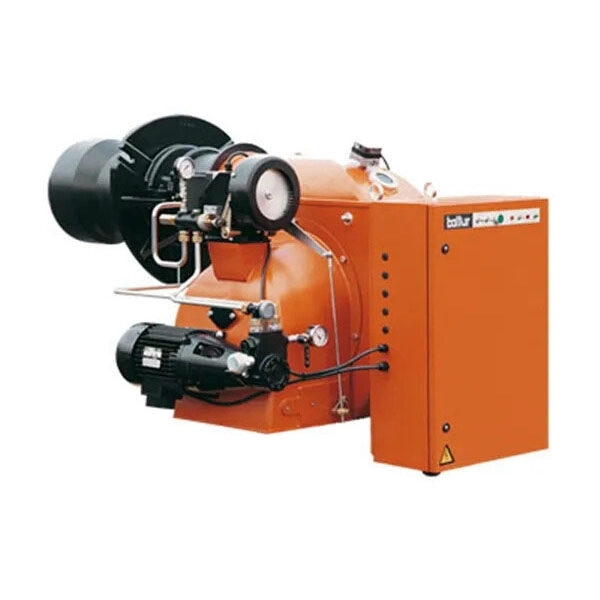
Следуйте этому систематическому подходу, чтобы изолировать причину, не тратя время на несвязанные корректировки..
- Безопасность в первую очередь: Перед проверкой заблокируйте подачу топлива и убедитесь, что в системе нет давления..
- Визуальный осмотр: Проверьте наличие очевидных признаков: отложения на отверстиях горелок, поврежденные электроды, свободная проводка, или скопление сажи.
- Измерение ключевых параметров: Записать давление топлива, давление воздуха для горения, и показания O₂/CO в установившемся режиме.
- Симулируйте изменения нагрузки: Наблюдайте за поведением пламени при увеличении скорости горения от низкой до высокой..
- Функция тестового компонента: Проверьте искру воспламенителя, реакция датчика пламени, и движение привода.
…
Более подробную информацию об устранении неполадок нестабильного пламени в промышленных горелках и распространенных решениях см., пожалуйста, нажмите здесь: https://www.sxburner.com/a/news/burner-flame-fixes.html
