
В конкурентной среде ветроэнергетики, каждый компонент должен обеспечивать максимальную надежность и эффективность. Среди них, поворотный подшипник — важнейший вращательный шарнир, соединяющий гондолу с башней., и лопасти к ступице — напрямую влияют на производительность турбины.. Однако, не все поворотные подшипники одинаковы. Точность имеет значение. Высокоточный поворотный подшипник обеспечивает плавное вращение., точное распределение нагрузки, и увеличенный срок службы, в то время как стандартный или плохо изготовленный подшипник может привести к перекосу, повышенное трение, и преждевременный выход из строя. В этой статье рассматривается, почему прецизионные поворотные подшипники необходимы для производительности ветряных турбин и как выбор правильного партнера, такого как LYMC, может существенно повлиять на время безотказной работы вашего парка и выработку энергии..
Критическая роль поворотных подшипников в ветряных турбинах
Ветровые турбины опираются на два основных поворотных подшипника.: подшипник рыскания (соединение гондолы с башней) и подшипник шага (соединение каждого лезвия со ступицей). Эти подшипники позволяют турбине ориентироваться по ветру и регулировать углы лопастей для оптимального захвата мощности.. Любое отклонение в точности вращения или грузоподъемности может вызвать каскад проблем.:
- Подшипник рыскания: Должен обрабатывать осевую, радиальный, и моментные нагрузки, обеспечивая при этом точное вращение на 360 градусов.. Неточная центровка увеличивает износ привода поворота и снижает захват энергии..
- Шаг подшипника: Выдерживает динамические нагрузки от порывов ветра и инерции лопастей.. Низкая точность приводит к неравномерному углу лезвия., вызывая вибрацию, снижение аэродинамической эффективности, и структурное напряжение.
Высокоточные подшипники минимизируют внутренний зазор., уменьшить момент трения, и поддерживать стабильную геометрию в течение тысяч часов работы.. Это напрямую приводит к снижению паразитных потерь., лучшее производство электроэнергии, и меньше сервисных вмешательств.
Ключевые факторы, влияющие на производительность прецизионных поворотных подшипников
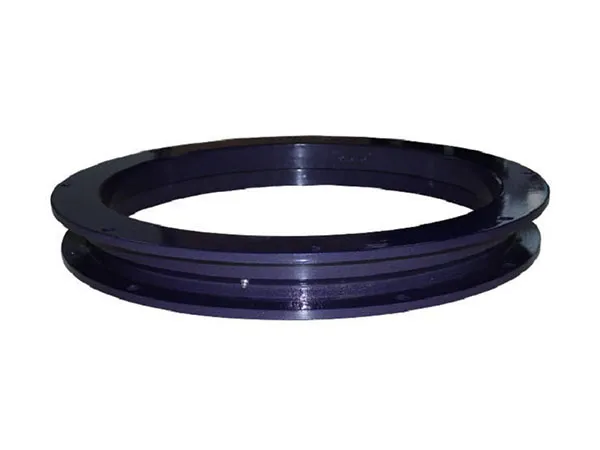
1. Энергоэффективность и выходная мощность
Поворотный подшипник с чрезмерным зазором или неровной геометрией дорожки качения увеличивает сопротивление вращению.. Исследования показывают, что потери на трение в подшипниках рыскания и тангажа могут составлять до 2-3% общих потерь энергии в турбине. С прецизионными подшипниками, момент трения снижается до 30%, позволяя турбине улавливать больше энергии из того же ветрового ресурса. Для 3 МВт турбина работает 7.000 часов полной нагрузки в год, а 2% повышение эффективности дает дополнительный 420 МВтч в год — что эквивалентно 30 000–40 000 евро добавленной выручки в текущих рыночных ценах..
…
Для получения дополнительной информации о критической важности прецизионных поворотных подшипников для производительности ветряных турбин, пожалуйста, нажмите, чтобы посетить:https://www.mcslewingbearings.com/a/news/precision-slewing-be.html

