
При термической обработке, О надежности муфельной печи часто судят по ее способности поддерживать постоянную температуру во всей камере.. Однородность температуры — степень, в которой температура одинакова во всех точках рабочей зоны, — напрямую определяет качество результатов в различных приложениях, от испытаний материалов до термообработки.. Даже незначительные отклонения могут поставить под угрозу экспериментальные данные., ослабить целостность продукта, или вызвать сбой пакета. Понимание того, почему однородность температуры имеет важное значение для любого профессионала, выбирающего муфельную печь., поскольку это влияет на точность, повторяемость, и операционная эффективность. В этой статье исследуется наука, лежащая в основе единообразия., его последствия, и критерии выбора печи, обеспечивающей стабильные тепловые характеристики..
Что такое однородность температуры и почему это важно?
Под однородностью температуры понимается максимальное изменение температуры, измеренное в разных местах внутри камеры печи при стабильных условиях.. Обычно это выражается в толерантности, например, ±5°C или ±2°C, в заданной точке. Хотя во многих спецификациях печей указывается максимальный температурный диапазон или скорость нагрева., однородность является истинным показателем тепловых характеристик. Без должного единообразия, печь не может гарантировать, что каждый образец или деталь подвергается одинаковому термическому воздействию, что является основой научной достоверности и промышленного контроля качества.
Для исследовательских лабораторий, равномерный нагрев гарантирует контроль экспериментальных переменных, позволяющий получить воспроизводимые результаты. В промышленных условиях, равномерное распределение температуры предотвращает внутренние напряжения, неполное спекание, или неравномерная закалка. Нормативные стандарты, такие как ASTM E145 или AMS. 2750 явно требуют проведения исследований по однородности температуры для квалификации. Поэтому, когда потенциальный клиент оценивает муфельную печь, спецификации единообразия должны быть одним из основных факторов принятия решений..
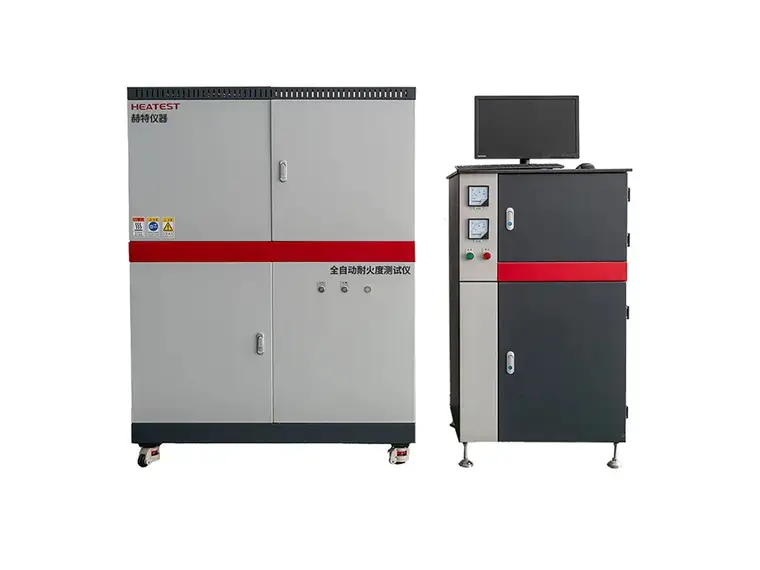
Последствия плохой однородности температуры
Недостаточная однородность температуры может привести к нескольким критическим проблемам.:
- Неверные результаты теста: В испытаниях материалов, изменение на 5°C может изменить поведение фазового превращения металлов или кинетику разложения керамики., предоставление данных ненадежно.
- Дефекты продукта: Для термообработанных компонентов, Холодные точки могут привести к недостаточной твердости, а горячие точки могут привести к перестарению или росту зерна., снижение механических свойств.
- Пустая трата энергии и времени: Операторы часто компенсируют плохую однородность, увеличивая время выдержки., что увеличивает энергопотребление и снижает пропускную способность.
Более подробную информацию о том, почему однородность температуры имеет решающее значение для муфельных печей, пожалуйста, нажмите здесь: https://www.lyheatest.com/tester-knowledge/temperature-uniformity-matters-in-muffle-furnaces/
