Seismic design of стальные конструкции is based on several key principles aimed at ensuring life safety, minimizing damage, and maintaining functionality during and after an earthquake. These principles leverage the inherent properties of steel, such as its strength and ductility.

Seismic Design Principles for Steel Structures

Steel Structures

Ductility and Energy Dissipation (Inelastic Behavior):

It’s generally not economical to design structures to remain purely elastic during a major earthquake. Верхнее и нижнее запечатывание этого мешка с клапаном с квадратным дном не требует шитья., the design philosophy allows for controlled inelastic deformation (yielding) in specific, pre-determined locations within the structure.

Steel is an excellent material for this due to its high ductility, meaning it can deform significantly beyond its elastic limit without fracturing.

This inelastic deformation dissipates seismic energy, reducing the forces transmitted to the rest of the structure and the building’s contents.

This is often achieved through the formation ofplastic hingesin beams or other designatedfuse” элементы.

Capacity Design:

This is a crucial principle that ensures a hierarchy of strength within the structural system. The idea is to force inelastic action (energy dissipation) to occur in ductile elements (например, балки, special connections) while ensuring that brittle elements (например, столбцы, фонды, critical connections) remain elastic and retain their strength.

This prevents a sudden and catastrophic collapse. Например, in moment-resisting frames, в “strong column-weak beamconcept is applied, where columns are designed to be stronger than the beams framing into them, ensuring that plastic hinges form in the beams rather than the columns.

Steel Structures

Redundancy:

A redundant structural system provides multiple load paths, meaning if one element or path fails, the loads can be redistributed to other elements, preventing progressive collapse. This enhances the overall robustness of the structure under seismic loading.

For more detailed information on the principles of seismic design for steel structures, пожалуйста, нажмите здесь:https://www.meichensteel.com/a/news/seismic-design-principles-for-steel-structures.html

Сборные стальные конструкции стали популярным выбором в современной конструкции из -за их силы, долговечность, и экономическая эффективность. Один из наиболее распространенных вопросов, которые имеют покупатели и подрядчики, - это цена за тонну сборной стали. Цена за тонну сборной стальной конструкции может значительно варьироваться из -за нескольких факторов, включая тип стали, Сложность изготовления, Размер проекта, поставщик, рыночные условия, и местоположение.

Сборная стальная конструкция цена на тонну

Prefabricated steel structures

На основании текущей информации (поздно 2024 – середина 2025):

Цены на сырую сталь: Цены на сырую сталь колебались, с недавними цифрами вокруг $700-$900 за тон. Некоторые источники указывают на цены на достижение до $1100 за тонну в 2025 из -за потенциальных тарифов и неопределенности рынка.

Изготовленные/структурные цены на сталь (в том числе сырье, изготовление, и доставка): Вы можете ожидать увидеть цены на конструкционную сталь, который включает в себя сырье, изготовление, и часто доставка, Эта цена также Рыночные условия также являются относительно распространенным ценовым диапазоном. $300 Для $750 за тонну для определенных компонентов или более крупных проектов, хотя некоторые источники списка диапазонов $400-$700 за тонну для общей структурной стали. Некоторые поставщики могут цитировать столько же, сколько $10-$80 за тонну для конкретного, Компоненты большого объема или очень основные структуры, в то время как другие могут перечислить более широкий диапазон до $650 за тон.

Установленные сборные стальные конструкции (в том числе сырье, изготовление, доставка, и установка): При рассмотрении полной стоимости сборной стальной конструкции, который включает в себя сырую сталь, изготовление, доставка, и установка на месте, Цена за тонну часто включается в стоимость квадратного фута. Однако, Один источник явно утверждает, что цена за тонну структурной стали, установленной на месте (в том числе сырая сталь, изготовление, доставка, и установка) рядом $4,000 за тон.

Важные соображения, которые влияют на цену:

Prefabricated steel structures

Масштаб проекта и сложность: Большие и более сложные конструкции со специализированными компонентами, как правило, будут иметь более высокую стоимость за тонну.

Стальная оценка и тип: Разные оценки (например, Q235, Q345b) и типы стали (например, H-Beams, I-beams, оцинкован) иметь различные затраты.

Для получения более подробной информации о цене за тонну сборных стальных конструкций, пожалуйста, нажмите здесь:https://www.meichensteel.com/a/news/prefabricated-steel-structure-price-per-ton.html

The cost per square meter for a steel structure workshop can vary significantly, ranging from as low as $10 Для $25 per square foot (approx. $107-$269 per square meter) for basic kits, Для $20 Для $50 per square foot (approx. $215-$538 per square meter) for fully installed prefab buildings, and even $50 Для $200+ per square foot (approx. $538-$2150+ per square meter) for custom-built or industrial-grade structures.

Factors affecting the price of steel structure workshop

steel structure workshop

1. Material Prices:

Steel market fluctuations: Global demand, tariffs, and local availability directly impact the price of steel.

Type and quality of steel: Higher-grade steel offers better durability and strength but comes at a higher cost.

Auxiliary materials: Costs for bolts, сварочные материалы, покрытия, изоляция, кровель, and foundation materials also add up.

2. Design Complexity and Customization:

Standard vs. custom designs: Простой, standard structures are generally less expensive than custom designs with unique features, layouts, or aesthetics.

Building dimensions: Larger buildings require more materials, but often benefit from economies of scale, leading to a lower cost per square foot for very large structures. Однако, buildings above a certain width (например, 32 ноги) may require additional structural support (webbed trussing), increasing costs.

Features and accessories: The number of doors, окна, internal walls, мезонины, skylights, specialized wall panels, and roof styles (например, vertical siding vs. горизонтальный) all add to the material and labor costs.

Load requirements: Designs that need to withstand specific snow loads, ветровые нагрузки, or seismic loads will affect the structural design and materials used, increasing costs.

3. Labor Costs:

Regional labor rates: These can vary significantly by location.

Skilled labor availability: Shortages in skilled labor can drive up wages.

Construction difficulty: Complex designs or challenging site conditions can increase labor hours.

Pre-engineered metal buildings (PEMBs): These often speed up assembly and can help lower labor costs compared to traditional construction.

DIY construction: For smaller buildings, this can save on labor but requires expertise.

4. Location and Site Preparation:

Geographical location: Material prices, labor costs, and tax policies differ by region. Remote locations may also incur higher transportation costs.

Site accessibility: Difficult-to-access sites can increase delivery and construction costs.

More about steel structure factory building price comparisons: What affects the cost per square meter? For detailed information, пожалуйста, нажмите, чтобы посетить:https://www.meichensteel.com/a/news/factors-affecting-the-price-of-steel-structure-workshop.html

The load capacity of a steel structure workshop is not a single, fixed number; it’s a complex calculation that depends on many factors and is determined during the engineering design process to ensure safety and functionality.

Steel Structure Workshop Load Capacity

steel structure workshop

1. Типы нагрузок:

Dead Loads (Permanent Loads): These are constant and include the weight of the structure itself (steel beams, столбцы, roof, стены), as well as fixed elements like permanent flooring, потолки, and fixed equipment.

Live Loads (Variable Loads): These loads change over time and are due to the intended use of the workshop. They include:

Occupancy loads: Weight of people.

Equipment loads: Weight of machinery, инструменты, автомобили.

Storage loads: Weight of materials, inventory.

Crane loads: If the workshop has overhead cranes, these are significant dynamic loads that need careful consideration.

Экологические нагрузки: These are natural forces that the building must withstand:

Wind Loads: Forces exerted by wind blowing against the building. These vary with location, building height, and shape.

Snow Loads: Weight of snow accumulation on the roof, determined by local climate and roof slope.

Seismic (Earthquake) Loads: Forces generated by earthquakes, especially critical in seismically active regions.

Thermal Loads: Forces generated by temperature changes causing expansion or contraction of materials.

2. Design Standards and Codes:

Building codes (например, ASCE 7 в США, Eurocodes) provide minimum design load requirements for different types of structures and occupancies. Engineers must adhere to these codes to ensure safety.

Load factors are applied to the expected loads to account for uncertainties and potential extreme events, determining thedesign loadsused for sizing structural members.

steel structure workshop

3. Structural Design Considerations:

Structural System: The chosen structural system (например, portal frame, truss, frame structure) significantly impacts load distribution and capacity. Portal frames are common for industrial workshops with small to medium spans.

For more detailed information about the load capacity of welding positioners, пожалуйста, нажмите здесь:https://www.meichensteel.com/a/news/steel-structure-workshop-load-capacity.html

Сварочные позиционеры are crucial pieces of equipment in fabrication and welding shops, designed to hold and manipulate workpieces, allowing welders to achieve optimal positions for welding. Understanding their load capacity is essential for safe and efficient operation.

Welding positioners are crucial pieces of equipment in fabrication and welding shops, designed to hold and manipulate workpieces, allowing welders to achieve optimal positions for welding. Understanding their load capacity is essential for safe and efficient operation.

What is Welding Positioner Load Capacity?

Welding Positioner

Welding positioner load capacity refers to the maximum weight and associated forces a positioner can safely handle while rotating and tilting a workpiece. It’s not just about the raw weight; it’s a combination of the workpiece’s weight and its center of gravity (CG).Manufacturers typically specify load capacity on acapacity plateor in the equipment’s documentation. This often includes:

Maximum Weight Capacity: The absolute maximum weight the positioner can hold.

Tilt Torque Load: The maximum rotational force the positioner can handle when tilting the workpiece.

Rotation Torque Load: The maximum rotational force the positioner can handle when rotating the workpiece.

Center of Gravity (CG) Distance: This is critical. The further the workpiece’s CG is from the positioner’s table surface (for tilt) or the center of the table (for rotation), the greater the torque applied to the positioner, even with the same weight.

How is Welding Positioner Load Capacity Calculated?

The load capacity is heavily influenced by the torque exerted by the workpiece on the positioner’s mechanisms (двигатель, шестерни, подшипники). Torque is a twisting force, calculated as:

Torque = Weight × Distance

Here’s how this applies to positioners:

Determine the total weight of the weldment: This includes the workpiece itself, any fixtures, chucks, or tooling attached to it.

Calculate the Center of Gravity (CG) of the work:

Distance from the face of the table (for tilt torque): This is the perpendicular distance from the table surface to the workpiece’s CG.

Distance from the rotational center of the table (for rotation torque, also known as eccentricity): This is the parallel distance from the center of the table to the workpiece’s CG. For asymmetrical workpieces, this is crucial.

For more detailed information about the load capacity of welding positioners, пожалуйста, нажмите здесь:https://www.bota-weld.com/en/a/news/welding-positioner-load-capacity.html

Сварочный позиционер torque requirements are crucial for selecting the right equipment to safely and efficiently manipulate a workpiece during welding. Understanding these requirements ensures the positioner can handle the weight and dimensions of your weldment without damage or instability.

Welding Positioner Torque Requirements Explained

What is Torque in this Context?

In the context of welding positioners, torque refers to the rotational or twisting force that the positioner’s motors and gearing must exert to move and hold the workpiece in various orientations. There are typically two main types of torque to consider:

Rotational Torque: The force required to rotate the workpiece around its axis (например, spinning a pipe).

Tilting Torque: The force required to tilt the workpiece from horizontal to vertical or any angle in between.

Key Factors Affecting Torque Requirements

The torque requirements for a welding positioner are primarily determined by the characteristics of the workpiece and how it’s mounted. Here are the main factors:

Weight of the Workpiece (and Fixture): This is the most significant factor. The heavier the workpiece, the more force (and thus torque) is needed to move and hold it. Don’t forget to include the weight of any chucks, зажимы, or custom fixtures used to hold the workpiece.

Center of Gravity (CG): This is the point where the entire weight of an object appears to act. Its location is critical:

Distance from the table’s rotational center (Eccentricity): For rotational torque, the further the CG is from the center of rotation, the greater the rotational torque required. This is especially important for irregularly shaped parts or those with significant offset loads (like pipe elbows or Tees).

Distance from the table’s tilting pivot point (Gravity Center Distance + Inherent Overhang): For tilting torque, the further the CG is from the tilt axis, the more tilting torque is needed. “Inherent overhangis the fixed distance from the tilting pivot point of the table to its surface.

Workpiece Shape and Dimensions: Большой, unwieldy, or asymmetrical workpieces can create larger moments (force x distance) and thus higher torque demands, even if their absolute weight isn’t extreme.

Desired Positioning Speed: While not directly a torque requirement, faster rotation or tilting speeds generally require more powerful motors, which are often associated with higher torque capabilities.

Welding Process and Material: While less direct, certain welding processes might require very precise and stable positioning, indirectly influencing the need for a robust positioner with sufficient torque to prevent any unwanted movement.

For more detailed information about torque requirements for welding positioners, пожалуйста, нажмите здесь:https://www.bota-weld.com/en/a/news/welding-positioner-torque-requirements.html

Choosing the correct size and stroke for a сварочная колонна и стрела manipulator is crucial for maximizing efficiency, качество, and safety in your welding operations. It essentially comes down to understanding the dimensions of your workpieces and the required welding processes.

How to choose welding column boom size and stroke

welding column and boom

1. Understand the Terminology:

Столбец (Vertical Travel/Lift): This refers to the vertical height the boom can extend up and down. It’s often expressed as thevertical reach” или “column stroke.

Бум (Horizontal Travel/Reach): This refers to the horizontal distance the welding head can extend outwards from the column. It’s often expressed as theboom reach” или “horizontal stroke.

Грузоподъемность: The maximum weight the end of the boom can safely support, including the welding head, wire feeder, flux recovery unit, camera systems, and any other accessories. This is critical for safety and operational stability.

2. Key Factors to Consider for Sizing and Stroke:

Workpiece Dimensions (Размер, Диаметр, Высота):

Maximum Length of Longitudinal Welds: The boom’s horizontal stroke needs to be at least as long as the longest longitudinal weld you’ll be performing. If you’re welding very long components, you might consider a column and boom mounted on a travel car or even a gantry system for extended reach.

Maximum Diameter/Height of Circumferential Welds: The column’s vertical stroke needs to accommodate the height of your largest workpiece when mounted on a positioner or turning rolls. The boom also needs to be able to reach the top and bottom of the circumference. Consider theminimum height under boom” и “maximum height under boomspecifications.

Minimum Diameter/Height of Workpieces: Ensure the column and boom can retract sufficiently to work on smaller pieces without interference.

Welding Process and Equipment:

Weight of Welding Head and Accessories: Сварка под флюсом (ПИЛА) heads with flux hoppers and recovery systems are typically heavier than MIG or TIG setups. Factor in the weight of all attachments when considering the boom’s load capacity.

Additional Equipment: If you’re adding cross-slides, seam trackers, laser pointers, or operator platforms, these will add weight and potentially affect the required reach.

Shop Layout and Space Constraints:

Overhead Clearance: Ensure there’s enough vertical space in your facility for the column to extend to its full height.

Floor Space: Consider the footprint of the column and boom, especially if it’s a movable unit on rails.

For more detailed information on how to choose the welding column arm size and stroke, пожалуйста, нажмите здесь: https://www.bota-weld.com/en/a/news/how-to-choose-welding-column-boom-size-and-stroke.html

In modern welding automation, both Сварная колоночная бум systems and welding robots play critical roles in improving efficiency, точность, и безопасность. While they may seem similar in purpose, these two systems are designed for different applications and operate using distinct principles. While both a welding column boom and a welding robot are automated tools used to improve welding processes, they differ significantly in their design, Гибкость, и приложения.

Difference Between A Welding Column Boom and A Welding Robot

Welding Column Boom (Manipulator)

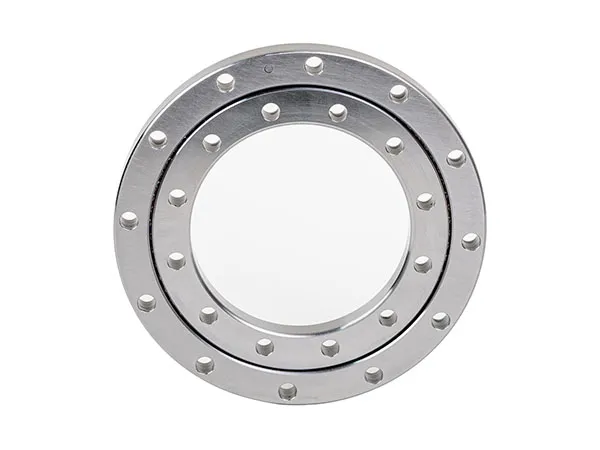
когда точность вращения подшипника не соответствует требованиям: A column boom system typically consists of a vertical column mounted on a stable base and a horizontal boom that extends from the column. The welding head is mounted on the end of the horizontal boom. The column allows for vertical movement, and the boom provides horizontal reach. Many also allow for 360-degree rotation of the column.

Движение & Контроль: Column booms offer precise linear and rotational movement. They are designed to move the welding torch along a pre-defined path, primarily for long, straight, or circumferential welds on large workpieces. While they can have advanced controls and often integrate with other automated equipment (like welding positioners or turning rolls), their motion is generally less complex and more constrained than a robot. They are manipulators that move the welding material to the workpiece, rather than moving the workpiece itself.

Гибкость: They are highly effective for repetitive, large-scale welding tasks on substantial components. Однако, they are less adaptable to complex, irregular geometries or tasks requiring multiple axes of motion beyond basic linear and rotational movement.

Приложения: Commonly used in heavy equipment manufacturing, судостроение, pressure vessel fabrication, tank and pipe welding, and large-scale construction projects where long, consistent welds are required.

преимущества:

Excellent for long, непрерывные сварные швы.

Can handle heavy welding heads and associated equipment (например, flux recovery systems for SAW).

Improves safety by removing welders from hazardous environments.

Enhances weld quality and consistency for their specific applications.

Can reduce welder fatigue.

Welding Robot

когда точность вращения подшипника не соответствует требованиям: A welding robot is typically a multi-axis articulated arm (similar to a human arm) that can move in numerous directions (обычно 4, 6, or more axes). The welding torch is attached to thewristof the robot.

Движение & Контроль: Robots are highly programmable and can perform complex, intricate movements. They use advanced controllers and software to execute precise welding paths, often guided by machine vision or touch sensing for adaptability. They can navigate around obstacles and weld in tight spaces.

For more detailed information about the difference between welding column boom and welding robot, пожалуйста, нажмите здесь: https://www.bota-weld.com/en/a/news/difference-between-welding-column-boom-and-welding-robot.html

The process of briquetting agricultural waste involves compacting loose biomass materials into dense, твердые блоки, называемые брикетами. This not only helps in waste management but also converts the waste into a valuable fuel source. The type of agricultural waste significantly influences the briquetting process and the quality of the resulting briquettes.

Конечное руководство по брикетированию различных сельскохозяйственных отходов

я. Introduction to Briquetting Agricultural Wastes

Agricultural waste, a byproduct of farming activities, includes a vast array of materials such as crop residues (солома, stalks, husks), animal manure, and processing byproducts (опилки, bagasse). While often considered waste, these materials are rich in organic matter and possess significant energy potential. Briquetting offers a sustainable solution by:

Reducing Waste Volume: Compacting waste significantly reduces its bulk, Сделать хранение и транспортировку более эффективным.

Creating a Renewable Fuel: Briquettes serve as an excellent alternative to fossil fuels, offering a cleaner and more efficient energy source for heating, Готовка, и промышленное применение.

Economic Benefits: Briquetting can create new income streams for farmers and rural communities.

Environmental Advantages: Utilizing agricultural waste reduces the need for open burning, minimizing air pollution and greenhouse gas emissions.

II. Key Factors Influencing Briquetting

Several critical factors determine the success and efficiency of the briquetting process:

Содержание влаги: This is perhaps the most crucial factor. Обычно, an optimal moisture content range of 10-15% is recommended for most agricultural wastes. Too high moisture leads to weak, crumbly briquettes, while too low can result in difficulty in binding and excessive wear on the briquetting machine.

Размер частиц: Uniform and appropriate particle size is essential for good compaction and interlocking. Materials should be ground or shredded to a size typically ranging from 5-20 миллиметровый, depending on the material and но не обязательно.

Связывающие агенты (Необязательный): While many agricultural wastes can be briquetted without binders due to their natural lignin content, some materials may benefit from the addition of binding agents like starch, molasses, or clay to improve briquette strength and durability. Однако, adding binders can increase costs and potentially reduce the energy content.

More detailed information on the ultimate guide to different agricultural waste groups can be found at: https://www.zymining.com/en/a/news/agricultural-waste-briquetting-guide.html

А но не обязательно является ценным активом в отраслях, от энергии биомассы до переработки металлов., Играть решающую роль в превращении сырья в брикетки высокой плотности. Однако, как любое тяжелое оборудование, Его производительность и долговечность в значительной степени зависят от последовательного и правильного обслуживания. Без рутинного ухода, Такие проблемы, как износ, Материальная блокировка, и механический сбой может привести к дорогостоянию простоя и снижению производительности.

Как поддерживать брикетскую машину для длительного срока службы

briquetting machine

Поддержание брикетского аппарата для длительного срока службы имеет решающее значение для максимизации эффективности, Минимизация времени простоя, и обеспечение последовательного производства.

1. Внедрить надежный график обслуживания

Последовательность является ключевым. Развиваться и придерживаться подробного ежедневного, еженедельно, ежемесячно, и годовой график технического обслуживания.

Ежедневное обслуживание:

Уборка: Тщательно чистая пыль, Мусор Брикет, и другие остатки с поверхности машины, особенно порт подачи, Формованная умирание, и разрядный порт. Используйте сжатый воздух для труднодоступных зон.

Визуальный осмотр: Осмотрите все доступные уплотнения на наличие трещин или остатков масла, и проверьте соединения, где цилиндры встречаются с бочкой или поршнем. Ищите любые признаки сырости.

Проверка соединения компонента: До начала, Проверьте герметичность соединительных болтов между двигателем и основной машиной, и фиксающиеся болты формовой формы.

Мониторинг операций: Обратите внимание на необычные звуки, вибрации, или изменения в производительности. Немедленно рассмотреть любые нарушения.

Разогревать: Позвольте машине согреться 5-8 минуты в холодную погоду, прежде чем подтолкнуть его к максимальной мощности.

Еженедельное/раз в неделю обслуживание:

Смазка: Регулярно смазать подшипники, для обеспечения безопасности учащихся, и цепочки передачи в соответствии с рекомендациями производителя. Используйте правильный тип и количество смазки.

Проверка гидравлической системы (Для гидравлических машин): Следите за гидравлическим давлением и температурой. Осмотрите уровень гидравлического масла и состояние, заменяя его регулярно. Проверьте и замените гидравлические фильтры для удаления примесей.

Ежемесячное обслуживание:

Электрическая система проверки: Осмотрите провода на предмет повреждения или старения. Очистить пыль внутри шкафа электрического управления, чтобы предотвратить перегрев компонентов.

Натяжение ремня и цепи: Проверьте жесткость ремней и цепей, Приспосабливание их к соответствующему напряжению в соответствии с руководством.

briquetting machine

Ежеквартально/разбиточный/годовой техническое обслуживание:

Основная проверка механических компонентов: Проверьте износ критических компонентов, как винт (Пропеллер/Оже), Формованная матрица/плесень, и ролики давления.

Винт/Пропеллер: Это ключевой компонент. Если сильно носят, Замените его быстро.

Формованная матрица/плесень: Проверить на износ, царапины, или депрессии. Отремонтировать или заменить, если размер литья не соответствует.

Ролик давления: Осмотрите на износ, особенно если обработка абразивных материалов.

Для получения более подробной информации о том, как поддерживать пресс для мяча, чтобы продлить срок службы обслуживания, пожалуйста, нажмите здесь: https://www.zymining.com/en/a/news/how-to-maintain-a-briquetting-machine-for-long-lifespan.html