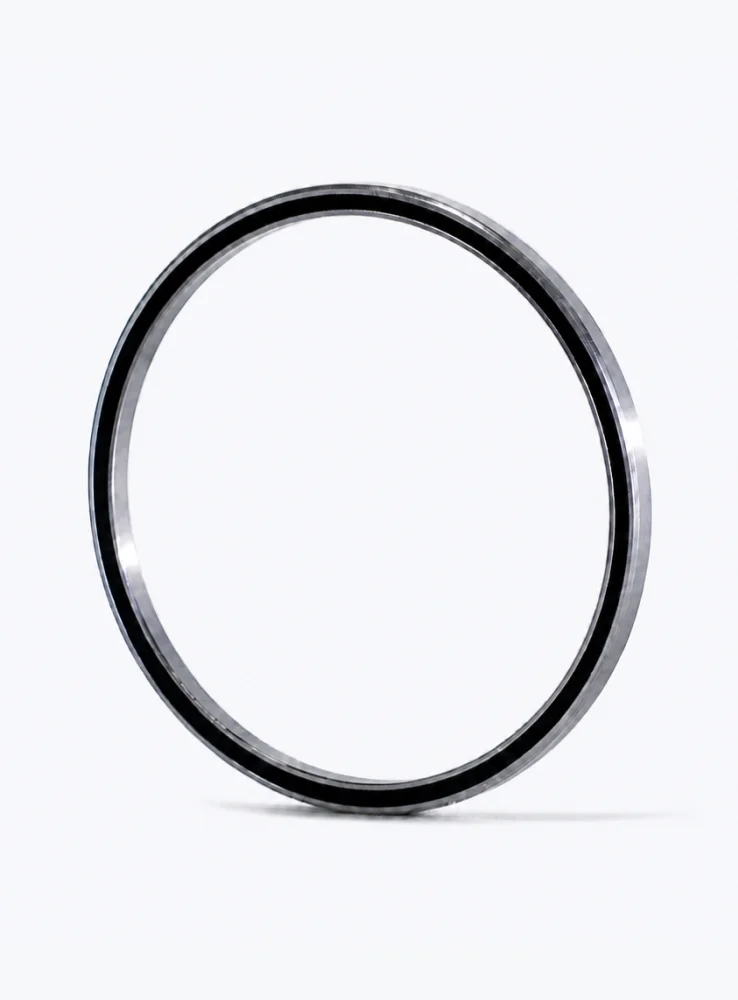
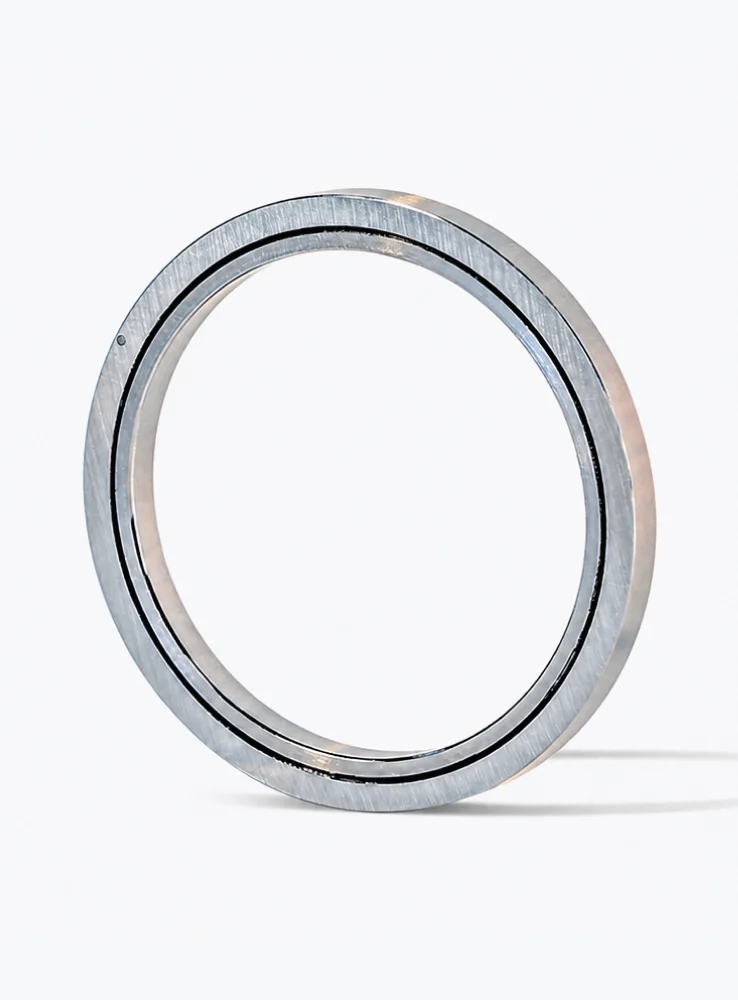
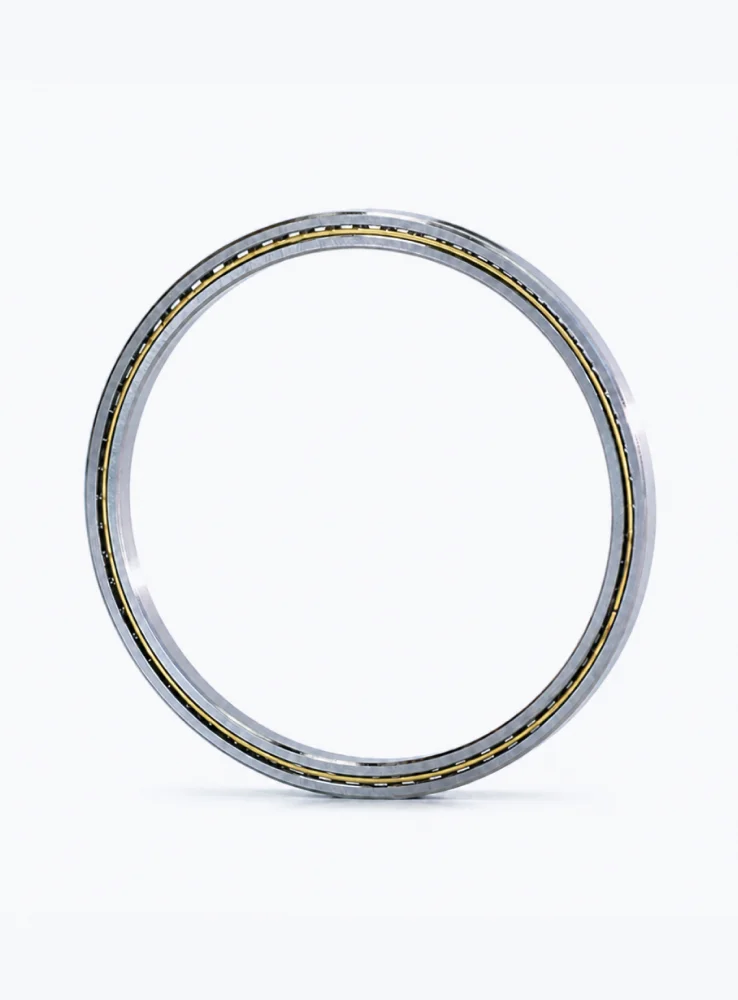
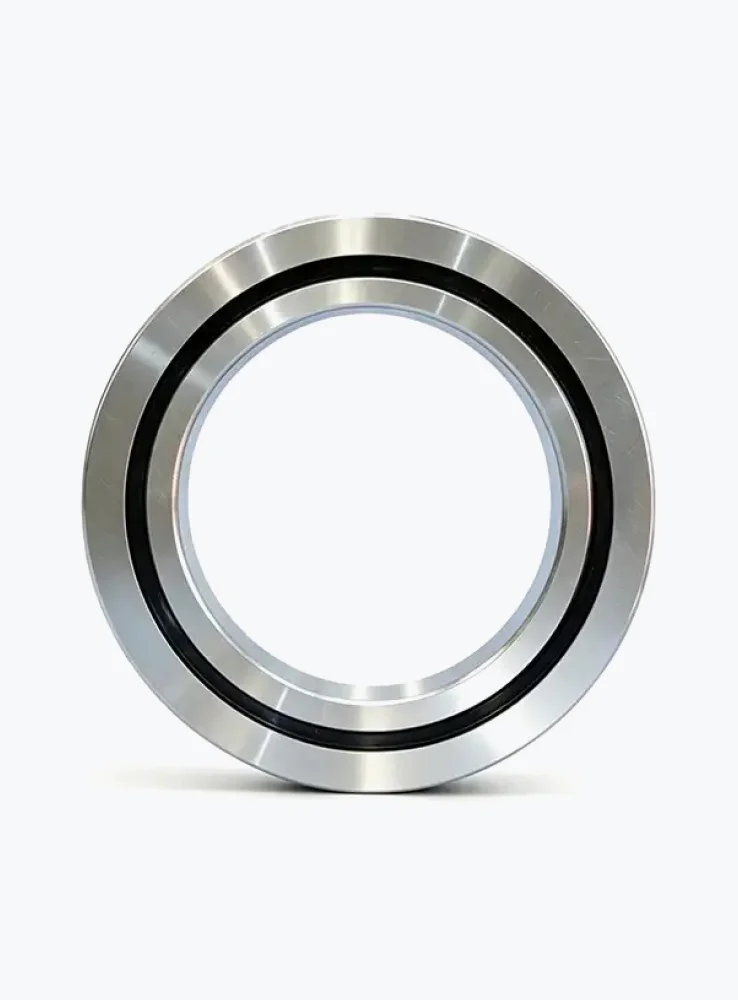
Поворотный подшипник (или поворотное кольцо) представляет собой вращающийся подшипник качения большого диаметра, предназначенный для перевозки тяжелых грузов., медленно поворачивающийся, или медленноколебательные нагрузки. Это важнейший компонент, который позволяет использовать такое массивное оборудование, как краны., экскаваторы, и ветряные турбины, чтобы вращаться плавно и безопасно.

Грузоподъемность является наиболее важным параметром при выборе поворотного подшипника.. Он определяет максимальные силы, которые подшипник может выдержать без разрушения.. В двухрядное шариковое опорно-поворотное кольцо это специальная конструкция, разработанная для выдерживания исключительно высоких нагрузок, особенно волнующие моменты.

Грузоподъемность двухрядных шарико-поворотных подшипников

Double Row Ball Slewing Bearings

Комбинированная обработка грузов: В отличие от более простых подшипников, двухрядные шарико-поворотные подшипники специально разработаны для одновременной работы с комбинацией:

Осевые нагрузки: Силы, действующие вдоль оси вращения (например, вертикальный вес стрелы крана).

Радиальные нагрузки: Силы, действующие перпендикулярно оси вращения (например, Боковые силы от роботизированной руки).

Переворачивающие моменты (Переломные моменты): Крутящие моменты, вызванные эксцентрическими нагрузками, которые пытаются опрокинуть или провернуть подшипник. (например, скручивающие силы на лопасти ветряной турбины). Вот здесь они особенно блистают.

Повышенная емкость против. Однорядный: Наличие двух рядов тел качения существенно увеличивает их несущую способность по сравнению с однорядными опорно-поворотными подшипниками того же типоразмера.. Это связано с тем, что нагрузка распределяется по большему количеству точек контакта., уменьшение стресса на отдельные компоненты.

Оптимизированные гоночные трассы: Многие двухрядные конструкции имеют две независимые дорожки качения., часто с шариками разного диаметра. Верхняя и нижняя дорожки качения обычно имеют угол наклона 90°., что позволяет им эффективно воспринимать большие осевые силы и опрокидывающие моменты..

Подходит для высоких статических и динамических нагрузок.: Хотя скорость вращения поворотных подшипников обычно низкая., их грузоподъемность в первую очередь относится к их статической грузоподъемности. Двухрядные шарикоподшипники рассчитаны на значительные статические нагрузки, а также хорошо работают в динамических условиях эксплуатации..

Жесткость и стабильность: Двухрядная конфигурация по своей сути обеспечивает большую жесткость и стабильность., минимизация деформации и прогиба даже при экстремальных нагрузках.

Факторы, влияющие на грузоподъемность:

Double Row Ball Slewing Bearings

Подшипники: Внешний диаметр, внутренний диаметр, и общая высота подшипника напрямую влияют на его грузоподъемность.. Подшипники большего размера обычно имеют более высокую пропускную способность..

Диаметр шара: Размер используемых стальных шариков играет решающую роль.. Шары большего размера могут выдерживать большую нагрузку..

Качество материала: Высокопрочные стали и передовые производственные процессы способствуют общей долговечности и устойчивости к нагрузкам..

Дизайн гоночной трассы: Особая геометрия и термическая обработка дорожек качения имеют решающее значение для распределения нагрузки и обеспечения долговечности..

Наличие зубчатой ​​передачи: Подшипники со встроенными зубьями шестерни (внутренний или внешний) также будут иметь характеристики, связанные с крутящим моментом передачи..

Подробнее о несущей способности двухрядных шарико-поворотных подшипников. Подробную информацию можно нажать, чтобы посетить.: https://www.mcslewingbearings.com/a/news/load-capacity-of-double-row-ball-slewing-bearings.html

Установка двухрядный шариковый поворотный подшипник is a complex process that requires precision and adherence to manufacturer guidelines. Here’s a general outline of the steps involved, along with key considerations. Always refer to the specific installation manual provided by the bearing manufacturer for detailed instructions and torque specifications for your particular bearing model.

Double-row Ball Slewing Bearing Installation

Double-row Ball Slewing Bearing

я. Pre-Installation Checks and Preparation:

Осмотрите подшипник:

Verify that the slewing bearing matches the specifications in your order.

Check for any damage incurred during transportation. Ensure seals are intact and there are no visible deformities.

Confirm that the lubrication holes on the bearing align with the host machine’s refueling method.

Prepare the Mounting Surfaces:

Cleanliness is paramount: Ensure both the host machine’s mounting platform and the slewing bearing’s mounting surfaces are absolutely clean and free from any debris, грязь, welding slag, заусенцы, покрасить, or other contaminants. Even small particles can significantly impact performance and lifespan.

Flatness and Rigidity: The mounting surfaces must be precisely machined, плоский, and rigid enough to prevent deformation under load. Double-row ball slewing bearings are sensitive to unevenness, which can lead to localized stress and premature wear. Check for flatness deviations with a feeler gauge. If gaps exist, shims may be required to level the surface, but this should be done with extreme care and according to manufacturer recommendations.

Снятие стресса: If the mounting bracket was welded, it should undergo internal stress relief heat treatment and then be machined to ensure flatness.

Soft Zone Placement:

Slewing bearings have anunhardened” или “softzone in their raceway, typically marked with an “S” or a blocked hole. This soft zone should be positioned in the non-load area or non-constant load area of your application. For lifting machinery, it’s often recommended to place it at a 90° angle to the boom’s direction (the direction of maximum load). If both inner and outer rings have soft zones, they should be staggered, usually by 180°.

For more details on how to install double rows of ball slewing bearings click to visit: https://www.mcslewingbearings.com/a/news/double-row-ball-slewing-bearing-installation.html

Non-standard Мы все знаем, что независимо от того, какой подшипник are crucial components in various heavy machinery and precision equipment, разработан для обработки значительных осевых, радиальный, и нагрузки момента в высокоспециализированных приложениях. В отличие от стандартных подшипников, their customization process is intricate, involving close collaboration between the client and the manufacturer to meet unique operational demands.

Non-standard slewing bearing customization process

slewing bearing

1. Initial Consultation and Requirement Gathering

The process begins with a comprehensive understanding of the client’s needs. This involves:

Application Analysis: Understanding the specific machine or system where the slewing bearing will be used. This includes factors like the type of equipment (краны, экскаваторы, ветряные турбины, медицинское оборудование, робототехника, п.), его операционная среда (морской пехотинец, высокая/низкая температура, пыльный, коррозийный), и общие требования к производительности.

Анализ нагрузки: Подробная информация о статических и динамических нагрузках, которые подшипник выдержит, в том числе осевые, радиальный, и переворачивание моментов нагрузки, а также ударные нагрузки и вибрация.

Размерные ограничения: Точные размеры монтажного пространства, в том числе внешний диаметр, размер отверстия, ширина, и любые конкретные конфигурации монтажного отверстия.

Спецификации производительности: Требуется скорость вращения, точность (допуски на развод), жесткость, Требования к крутящему моменту, and expected service life.

Environmental Factors: Воздействие влаги, saltwater, химикаты, пыль, экстремальные температуры, and the need for specialized sealing or corrosion protection.

Особые возможности: Any unique requirements such as integrated gearing (internal, external, helical, worm gears), lubrication systems, control devices, or monitoring systems.

Material Preferences: While manufacturers often recommend materials, clients may have specific preferences or requirements for certain alloys (например, high-strength steel, нержавеющая сталь, specialized alloys like 42CrMo4, 50Mn, or even aluminum for lightweight applications).

Compliance and Certifications: Any industry-specific standards (например, ИСО, AGMA, DEF STAN) or certifications required for the bearing.

2. Проектирование и проектирование

Once the requirements are thoroughly understood, the engineering team commences the design phase:

Концептуальный дизайн: Engineers develop initial concepts based on the gathered data, considering different slewing bearing types (например, Четырехточечные контактные шарики подшипники, crossed cylindrical roller bearings, triple-row roller bearings, combined roller/ball bearings) that best suit the application.

Detailed CAD Modeling: Using advanced 3D modeling software, a detailed design of the non-standard bearing is created. This includes precise geometries of the inner and outer rings, гоночные трассы, тела качения, cages/spacers, gearing, and sealing systems.

Выбор материала: Based on load, среда, and performance requirements, appropriate materials are selected for the rings, тела качения, и другие компоненты. This often involves specialized heat treatments to achieve desired hardness, износостойкость, and fatigue strength.

Structural Analysis (FEA): Finite Element Analysis (FEA) simulations are performed to validate the design’s integrity under various load conditions, predict stress distribution, отклонение, and stiffness, and optimize the design for maximum performance and lifespan.

Lubrication System Design: Designing or recommending a suitable lubrication system (смазка или масло) и указание смазков на основе рабочих условий. Это включает в себя определение интервалов смазки и потенциал для передовых систем смазки.

Более подробную информацию о процессе настройки нестандартных подшипников можно найти, нажав на посещение:https://www.mcslewingbearings.com/a/news/slewing-bearing-customization-process.html

Поворотные подшипники withstand radial loads through a combination of their internal geometry, the distribution of force across multiple rolling elements, and the structural rigidity of their rings.

How Slewing Bearings Withstand Radial Loads

Slewing bearings

1. Фонд: What is a Radial Load?

Первый, let’s be clear on the force we’re talking about. In the context of a slewing bearing (like the one on a crane), a radial load is a force that pushes or pulls on the bearing from the side, perpendicular to the central axis of rotation.

α—— Содержание крупности меньше размера сита в сырье: The force of the wind pushing against the side of a long crane boom.

Contrast with other loads:

Осевой (or Thrust) Нагрузка: A force acting parallel to the axis of rotation (например, the weight of the crane’s cabin and boom pushing straight down).

Moment (or Tilting) Нагрузка: A force that tries to tip or overturn the bearing (например, the weight of a heavy object lifted at the end of the crane boom).

Slewing bearings are remarkable because they are designed to handle all three types of loads simultaneously. Their ability to handle radial loads is a direct result of this multi-load design.

2. Основной механизм: Raceway Geometry and Contact Angle

В “magichappens inside the bearing, specifically in the way the rolling elements (шарики или ролики) make contact with the inner and outer rings (the raceways).

А. For Four-Point Contact Ball Bearings (The Most Common Type)

This is the classic design. Imagine cutting a slewing bearing in half. You would see that the groove (raceway) the balls run in is not a simple semi-circle. It’s shaped like a gothic arch or two shallow V’s.

How it Works: When a radial load pushes the inner ring sideways, the balls are forced up the angled raceways of both the inner and outer rings.

The Contact Angle: The force is transmitted through the balls at an angle (в “contact angle”). This angle means that a single radial force is resolved into two components: one that is axial and one that is radial.

The Key Takeaway: Because the ball contacts the raceway on an angle, it can resist forces from both the side (радиальный) and top/bottom (осевой) simultaneously. A single ball acts like two separate bearings pushed against each other at an angle, all in one compact design.

В. For Crossed Roller Bearings

This design is even more explicit in how it handles loads from different directions.

How it Works: Цилиндрические ролики расположены крест-накрест., with each roller oriented at 90 degrees to the one next to it.

For more detailed information on how slewing bearings can withstand radial loads, нажмите, чтобы посетить:https://www.mcslewingbearings.com/a/news/how-slewing-bearings-withstand-radial-loads.html

Wind tower fabrication is a highly specialized and welding-intensive industry that relies heavily on automation due to the massive size and thick steel components involved. Сварочные вращатели play a crucial role in this process by enabling precise and efficient welding of cylindrical wind tower sections.

Wind Tower Welding Rotator Welding Process

Here’s a breakdown of the welding process for wind tower welding rotators:

wind tower welding rotators

1. Wind Tower Fabrication Process (where rotators fit in):

Тарелка катится: Большие стальные тарелки (often exceeding 80mm thick) are rolled into cylindrical “банки.”

Продольная сварка: Individual cans are seam-welded along their length. This often involves manipulators and column-and-boom systems.

Circumferential Welding (where rotators are key): Once individual cans are formed, they are aligned and joined to each other with circumferential welds to form tower sections. This is the primary application for welding rotators. Rotators hold and rotate the heavy, cylindrical sections, allowing a stationary welding head (typically on a column and boom manipulator) to perform the circular weld.

Фланцевая сварка: Flanges are attached to the ends of sections, also by circumferential welds, for on-site assembly.

Door Frame Welding: Door frames are welded, typically using mechanized flux-cored or metal-cored arc welding.

2. Key Welding Process for Wind Towers:

Сварка под флюсом (ПИЛА): This is the dominant welding process for both longitudinal and circumferential seams in wind tower fabrication.

High Deposition Rate: SAW can deliver extremely high weld metal deposition rates and the necessary heat for the thick steel used in wind towers.

Автоматизация: SAW is highly adaptable to automation, which is critical for consistent quality and productivity on large, repetitive welds.

Multi-wire SAW: To further increase productivity, multi-wire SAW systems (например, twin arc, tandem arc, tandem twin arc) are commonly used, where multiple welding torches feed the same weld pool.

Flux Shielding: The arc is submerged under a blanket of granular flux, protecting the weld pool from atmospheric contamination. This also makes it less susceptible to environmental factors like wind.

Ориентация: SAW typically requires gravity to hold the weld metal and flux in place, meaning the parts must be reoriented (например, rotated by rotators) to maintain a flat or horizontal welding position.

Other Processes (for specific applications):

Газовая металлическая сварка (GMAW or MIG) and Flux Cored Arc Welding (Fcaw): Used for various applications, including door frame welding or in conjunction with SAW for certain passes.

Electrogas Arc Welding (EGW): A high-efficiency vertical automatic welding process used for thick plates, especially in offshore wind power generation facilities. A newer variant, SESLA, offers advantages like minimal spatter and fumes and excellent wind resistance.

Узкая сварка: Applied to reduce weld volume, utilizing special flat welding heads and single or tandem wire heads.

wind tower welding rotators

3. The Role of Welding Rotators:

Точное вращение: Сварочные вращатели (also known as turning rolls) use wheels to align and rotate cylindrical workpieces, such as the “банки” of a wind tower, at a uniform and controlled speed.

Types of Rotators:

Обычные ротаторы: Простой, твердый, and widely used for internal welding, long seam welding, обработка поверхности, and internal equipment installation.

….

More detailed information about what about the welding process for wind tower welding rotators can be clicked to visit: https://www.bota-weld.com/en/a/news/wind-tower-welding-rotator-welding-process.html

Выбор правильного сварки ротатора для изготовления ветряной башни имеет решающее значение для обеспечения эффективного, Высококачественные сварки и безопасные операции. Ветряные башни большие, тяжелый, и часто имеют различные диаметры, требует надежного и адаптируемого оборудования.

Как выбрать ротатор сварки ветряной башни

я. Ключевые факторы, которые следует учитывать:

Грузоподъемность:

Секции ветряной башни невероятно тяжелые, от тонн до сотен или даже тысяч тонн.

Емкость нагрузки ротатора имеет первостепенное значение. Убедитесь, что он значительно превышает максимальный вес вашей самой тяжелой секции ветряной башни, чтобы поддерживать безопасность и предотвратить повреждение оборудования или заготовки.

Производители предлагают ротаторы с возможностями от нескольких тонн до 2000 тонны или больше.

Диапазон диаметра заготовки:

Секции ветряной башни различаются в диаметре по их длине.

Самооплачивающие ротаторы (Санс) Настоятельно рекомендуются для ветряных башни, так как они автоматически регулируют свои роликовые колыбели, чтобы размещать разные диаметры. Это экономит время и усилия по сравнению с ручными корректировками.

Общепринятый (регулируемый) Ротаторы требуют ручной регулировки расстояния между роликами в соответствии с разными диаметрами. Хотя часто более экономичны для заработков с фиксированным диаметром, Они могут быть менее эффективными для ветряных башни.

Подходящие ротаторы специально предназначены для выравнивания нескольких цилиндрических срезов для окружной сварки, часто используется в сочетании с другими ротаторами. Они часто имеют гидравлические регулировки вверх/вниз и влево/правое значение для точного выравнивания.

Приложение сварки и тип:

Продольные сварные швы: Они работают по длине секций башни. Ротаторы обеспечивают стабильное вращение во время сварной головки (Часто колонна и манипулятор бума с погруженной дуговой сваркой (ПИЛА)) движется вдоль шва.

Окружные сварные швы (обхват сварные швы): Они объединяются. Ротаторы обеспечивают точные, Последовательное вращение для непрерывной сварки.

Внутренняя сварка: Некоторые ротаторы предназначены для облегчения внутренних процессов сварки.

Поверхностная обработка/взрыв/живопись: Ротаторы также используются для вращающихся срезов во время этих процессов, чтобы обеспечить равномерное применение.

Сварочный процесс: Рассмотрим процесс сварки, который вы будете использовать (например, ПИЛА, Я/Маг, Fcaw). Контроль скорости и стабильность ротатора должна быть совместима с выбранным вами процессом. Сварка ветряной башни часто в значительной степени зависит от пилы для его высокой скорости осаждения.

Тип ролика и материал:

Полиуретан (Пута) колеса: Часто предпочитается за их захват, способность предотвратить проскальзывание, и пригодность для различных рабочих температур и толщины стен. Они также снижают риск царапины или повреждения поверхности заготовки.

Стальные колеса: Подходит для чрезвычайно тяжелых нагрузок и высокотемпературных приложений, но может потребоваться защитные меры для предотвращения повреждения заготовки.

Резиновые колеса: Общие для применений общего назначения, но не могут быть такими долговечными или подходящими для тяжелых нагрузок и требовательных условий изготовления ветряной башни.

Система управления и функции:

Управление скоростью переменной скорости: Необходимо для оптимизации параметров сварки и размещения различных процессов сварки.

Дистанционное управление (проводные или беспроводные): Повышает безопасность и удобство оператора, разрешение контроля с безопасного расстояния.

Анти-дрифтные системы: Важно для предотвращения осевого движения (дрейф) заготовки во время ротации, Особенно важно для длинных сварных швов и точного выравнивания.

Эти системы динамически приспосабливаются, чтобы сохранить центр секции.

Обращение к возможности: Позволяет ротаторам двигаться по рельсам, обеспечение гибкости для позиционирования и обработки материалов в производственной линии.

Более подробную информацию о том, как выбрать ротатор сварки ветряной башни, можно нажать, чтобы посетить: https://www.bota-weld.com/en/a/news/wind-tower-welding-rotator-selection.html

Lead screw welding rotators are specialized pieces of equipment designed to support and precisely rotate cylindrical workpieces for welding, полировальный, собрание, and other fabrication processes. Their defining feature is the lead screw mechanism, which allows for accurate adjustment of the roller distance to accommodate a wide range of workpiece diameters.

Choosing the right model of lead screw welding rotator is crucial for optimizing your welding operations, ensuring efficiency, качество, и безопасность.

Lead Screw Welding Rotator Model Choose

Lead Screw Welding Rotator

1. Understand Your Workpiece Specifications:

Вес Грузоподъемность: This is the most critical factor. Determine the maximum weight of the cylindrical workpieces (трубы, танки, vessels, п.) you will be welding.

Welding rotators are typically rated in tons (например, 2Т, 5Т, 10Т, up to hundreds of tons). Ensure the rotator’s capacity comfortably exceeds your heaviest workpiece.

Diameter Range: Identify the minimum and maximum diameters of the workpieces you need to rotate. Lead screw rotators offer adjustable roller distances to accommodate various diameters. Make sure the chosen model’s adjustment range covers your needs.

Length of Workpiece: For very long workpieces, you might need multiple sets of rotators (one drive unit and multiple idler units) to provide adequate support and

prevent sagging. Consider synchronization features if you plan to use multiple units.

Material of Workpiece: While most rotators are designed for general metals, consider if your material has specific requirements (например, very thin walls, sensitive surfaces that might need specialized roller coatings).

2. Consider the Type of Lead Screw Welding Rotator:

Lead Screw Adjustable (Manual or Motorized): This is the defining characteristic. The lead screw mechanism allows for precise adjustment of the roller distance to accommodate different workpiece diameters.

Manual Lead Screw: More economical, suitable for workshops with less frequent changes in workpiece diameter or when precise manual positioning is acceptable.

Motorized Lead Screw: Offers quicker and more precise adjustment, ideal for dynamic fabrication environments with frequent changes in workpiece sizes, reducing setup time and enhancing efficiency.

Self-Centering vs. Общепринятый (within Lead Screw Type):

Self-Centering Lead Screw Rotators: These are an enhanced version where the lead screw mechanism automatically centers the workpiece by moving both roller brackets equally in opposite directions. This is highly beneficial for varying diameters and frequent job changes, saving significant setup time and improving alignment accuracy.

Conventional Lead Screw Rotators: While still using a lead screw for adjustment, they might require more manual intervention for precise centering.

For more detailed information on how to choose the model of lead screw welding rotator click to visit:https://www.bota-weld.com/en/a/news/lead-screw-welding-rotator-model-choose.html

Сварочные позиционеры are invaluable tools for significantly improving welding efficiency. They do this by allowing the workpiece to be rotated, tilted, and held in optimal positions, reducing the need for manual manipulation, awkward welding postures, and frequent repositioning. Here’s a breakdown of how to maximize their efficiency.

Как повысить эффективность сварки сварочного позиционера

Welding positioners

1. Proper Selection of the Welding Positioner:

Match to Workpiece: Choose a positioner that can safely and effectively handle the size, вес, and shape of your typical workpieces. Consider load capacity (vertical and horizontal), скорость вращения, and tilt capabilities.

Application-Specific Types:

Tilting Positioners: Best for complex angles and intricate applications.

Headstock & Tailstock Positioners: Ideal for long and heavy workpieces like pipes or beams, ensuring balanced support.

Позиционеры проигрывателей: Great for smaller, circular components, offering 360-degree rotation.

Ferris Wheel Positioners: Excellent for robotic welding, allowing loading/unloading on one side while welding occurs on the other, maximizing arc-on time.

Control Features: Look for adjustable rotation and tilting speeds, programmable settings, and remote control capabilities for enhanced precision and ease of use.

2. Optimize Setup and Operation:

Secure Workpiece: Always ensure the workpiece is firmly and stably attached to the positioner. Consider the center of gravity to maintain balance, especially for large or irregularly shaped parts. Use appropriate clamps and fixtures.

Эргономика: Position the workpiece at an optimal height and angle that allows the welder to maintain a comfortable, natural posture. This reduces physical strain, усталость, and the risk of musculoskeletal injuries, leading to more consistent and higher-quality welds over longer periods.

Downhand Welding: The primary goal of a positioner is to bring the weld joint into the “вниз” или “плоский” позиция (1F or 2F). These positions allow for higher deposition rates, Лучшее проникновение, and easier control of the weld pool, leading to faster and higher-quality welds.

Minimize Repositioning: Plan the welding sequence to minimize the number of times the workpiece needs to be repositioned. A good positioner allows a single setup for multiple passes or joints.

Streamline Multi-Pass Welding: For thick materials requiring multiple passes, a positioner ensures smooth transitions between passes, reducing delays and improving consistency.

3. Integration and Automation:

Robotic Integration: If applicable, integrate the welding positioner with robotic welding systems. This allows for fully automated processes, significantly increasing travel speed, consistency, and overall throughput, especially for repetitive tasks and large-scale production.

Fixture Compatibility: Ensure that fixtures used to secure the workpiece are compatible with the positioner and provide adequate stability. Custom fixtures can be designed to maximize efficiency for specific parts.

Consistent Welding Parameters: Standardize welding parameters (скорость, heat settings, rotation times) for similar jobs to ensure uniform results and reduce errors.

Welding positioners

4. Maintenance and Monitoring:

Регулярное техническое обслуживание: Implement a routine maintenance schedule. Inspect motors, шестерни, зажимы, and electrical connections regularly. Lubricate moving parts to reduce wear and tear and extend the lifespan of the equipment.

For more detailed information on how to improve welding efficiency of welding positioner, нажмите, чтобы посетить: https://www.bota-weld.com/en/a/news/improvement-of-welding-efficiency-of-welding-positioner.html

В промышленной переработке, достижение последовательного, важно качественное сочетание материалов. Выбор смесителя – фундаментальное решение, влияющее на эффективность., Качество продукта, и эксплуатационные расходы. Среди наиболее распространенных горизонтальных смесителей являются одновальные и двухвальные. (или двухвальный) конструкции.

Хотя оба используются для смешивания твердых веществ., осадки, и пасты, их внутренняя механика создает совершенно разные среды смешивания. Выбор между одновальным смесителем и смесителем Двойной вал миксер во многом зависит от ваших конкретных потребностей в смешивании. Оба типа имеют явные преимущества и подходят для различных применений..

Одновальный смеситель против двухвального смесителя

double shaft mixer

Одновальный смеситель

когда точность вращения подшипника не соответствует требованиям: Имеет один вращающийся вал, оснащенный мешалками или лопастями..

Смешивание действий: Обычно обеспечивает более мягкий, более последовательное перемешивание. Лопасти поднимают материал и позволяют ему упасть., создание перекрестного смешивания.

Идеально подходит для:

Сухие порошки и гранулированные материалы: Подумайте о специях, мука, кофейные зерна, корм для животных, удобрения, п.

Легкие пасты и некоторые жидкие средства: Если требуется гомогенная смесь без чрезмерного сдвига.

Деликатное смешивание: Материалы, которые можно легко повредить или разложить в результате агрессивного смешивания..

Приложения, требующие низких затрат на обслуживание и эксплуатацию.: Более простой дизайн обычно означает меньше ошибок.

Ключевая особенность:

Один центральный вал с прикрепленными лопастями или лопастями..

Равномерное смешивание для получения однородных продуктов.

Меньшие первоначальные инвестиции и простота обслуживания.

Часто может эффективно смешиваться до более низкого процента от номинальной мощности..

Нижний горизонтальный профиль, что может быть полезно, если высота является ограничением.

Двухвальный смеситель (также известный как двухвальный смеситель)

double shaft mixer

когда точность вращения подшипника не соответствует требованиям: Имеет два горизонтальных вала, вращающихся в противоположных направлениях.. Эти валы часто имеют перекрывающиеся лопасти или лопасти..

Смешивание действий: Создает встречное вращательное движение, которое обеспечивает интенсивную, смешивание с высоким усилием сдвига. Два вала и их пересекающиеся лопасти активно смещаются., сдвигать, и раздать материал, что приводит к более быстрому и тщательному смешиванию. Это также создает “псевдоожиженный слой” эффект для оптимального смешивания.

Подробнее об одновальном и двухвальном смесителях, но фрезерование и сверление в процессе хлопотно из-за полной закалки? Подробную информацию можно нажать, чтобы посетить: https://www.zymining.com/en/a/news/single-shaft-mixer-vs-double-shaft-mixer.html

А Двойной вал миксер, often called a twin-shaft mixer or pugmill, is a high-intensity, industrial mixing machine designed to blend a wide variety of materials quickly and homogeneously.

Its core feature is the presence of two parallel, counter-rotating shafts equipped with multiple paddles, лезвия, or arms. These shafts are housed within a W-shaped or U-shaped trough. This design creates a powerful and efficient mixing action that is ideal for demanding applications, especially those involving aggregates, осадки, порошки, и пасты.Maintaining a double shaft mixer is crucial for its longevity, эффективность, и безопасная операция.

Double Shaft Mixer Maintenance Tips

Double Shaft Mixer

я. Daily/Per Shift Maintenance:

Cleaning is Paramount:

Thorough Washout: After every use, especially with concrete or sticky materials, thoroughly clean the mixer. Use water, and for stubborn buildup, consider adding gravel to the water and running the mixer for 5-30 минуты.

Remove Residue: Scrape off any remaining material from the interior, especially the mixing arms, лезвия, and shaft. Hardened concrete or material buildup reduces mixing efficiency and can damage components.

Discharge Door: Clean deposits around the discharge door to ensure smooth opening and closing.

Non-Wetted Parts: Be careful when cleaning non-wetted components to avoid damage from liquids.

Lubrication Checks:

Central Lubrication System: Ensure the central lubrication pump is working properly. Check for any leaks in connection points and refill the lubricant if necessary.

Shaft End Seal: This is a critical area. Check the lubricating oil pump for normal oiling daily. Ensure there’s oil in the oil pump oil cup and the pump’s cartridge is normal. If there’s an issue, stop immediately and troubleshoot. If manual oiling is needed, do it every 30 minutes to keep the shaft end sufficiently lubricated.

Other Lubrication Points: Check other lubrication points like spindle bearings, discharge door bearings, motor bottom plate rotating shaft, and hydraulic cylinder rotating shaft.

Визуальный осмотр:

Leaks: Look for any oil, жир, or other fluid leaks, which could indicate seal or gasket problems.

Unusual Noises/Vibrations: Listen for any strange sounds or vibrations, which can be early indicators of a problem. Stop operation immediately if detected.

Loose Bolts/Connections: Check for any loose bolts on blades, stirring arms, and lining plates, and tighten them.

Wear and Tear: Quickly inspect for any obvious signs of damage, трещины, or corrosion on external components like the motor, приводные валы, and blades.

Панель управления: Check the alarm status on the control panel.

II. Еженедельное обслуживание:

Смазка:

Check the oil level of the reducer and hydraulic pump.

Belt Tension:

Check and adjust the tension of the driving belt using the belt stretching unit. Ensure proper tension to avoid premature wear or slippage.

Носить детали:

Visually inspect seals, подшипники, and couplings for wear or damage. Replace any seals that show cracks or damage.

Check the alignment of mixing blades and adjust as needed.

Наращивание материала:

Perform a longer, more thorough cleaning with water and rock to remove any deeper buildup.

Double Shaft Mixer

Iii. Ежемесячное обслуживание:

Gearbox: Check the oil level in the gearbox.

More detailed information about the maintenance tips of double shaft mixer can be clicked to visit:https://www.zymining.com/en/a/news/double-shaft-mixer-maintenance-tips.html