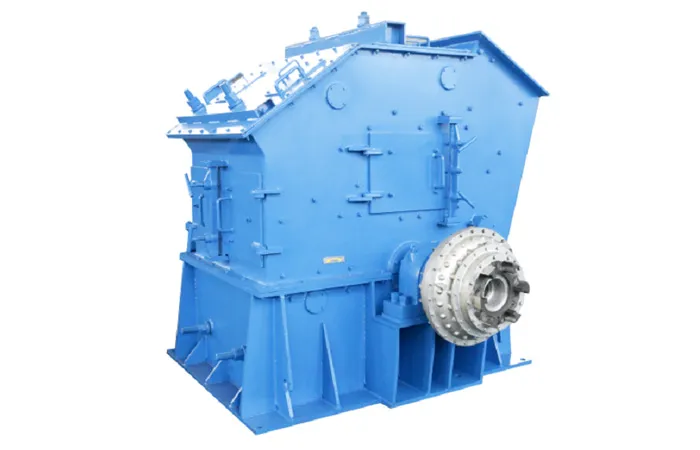
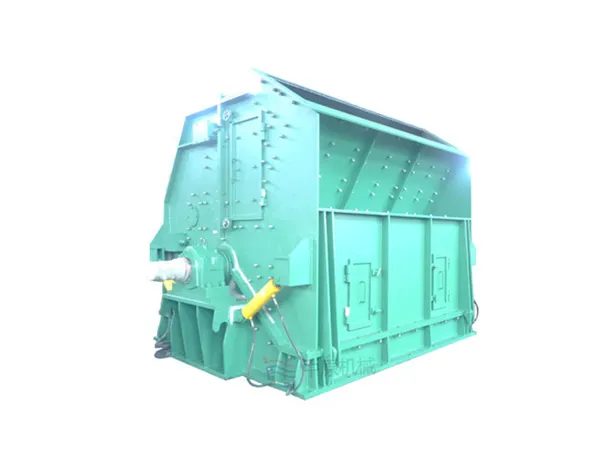
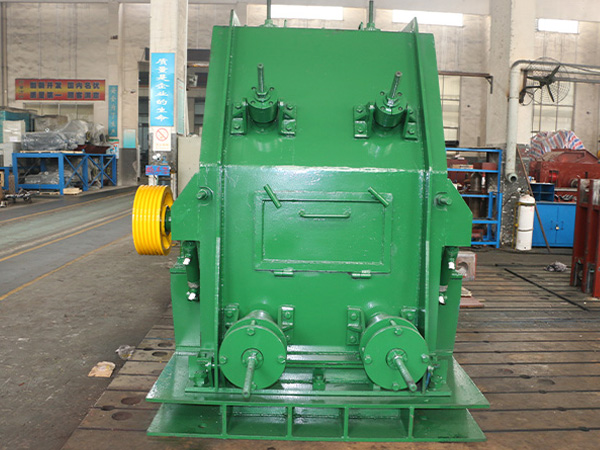
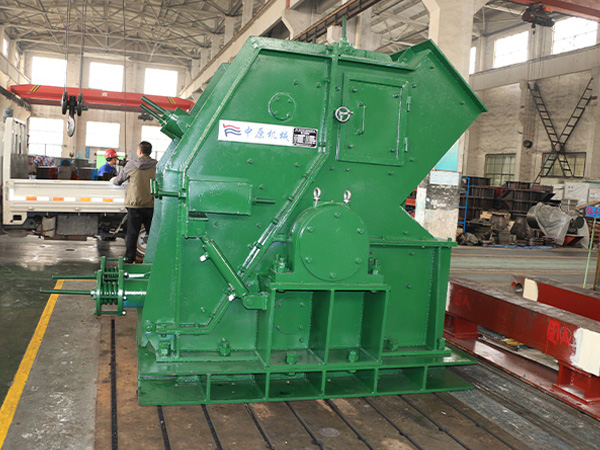
While both челюстные дробилки и конусные дробилки are essential in aggregate and mining operations, they are typically used at different stages and have distinct advantages. Cone crushers generally offer advantages over jaw crushers when used in secondary, tertiary, or quaternary crushing stages, after a primary jaw crusher has already done the initial size reduction.

Key Advantages of Cone Crushers Over Jaw Crushers

Cone Crushers

Superior Product Shape (Cubicity):

Конус дробилка: Produces a more cubical (equi-dimensional) product. This is due to the combination of compression and attrition as material is crushed between the mantle and bowl liner, and also due to inter-particle crushing when choke-fed. Cubical aggregate is preferred for concrete and asphalt as it provides better strength and workability.

Зубодробилка, мордоворот: Tends to produce more elongated or flaky particles, especially with laminated or slabby feed rock.

Finer and More Consistent Product Size:

Конус дробилка: Can achieve a finer product size and a tighter particle size distribution. They are designed for producing precisely graded materials.

Зубодробилка, мордоворот: Primarily designed for coarse primary crushing, so its product is larger and less uniform.

Более высокая пропускная способность (in Secondary/Tertiary Stages):

Конус дробилка: For a given physical size (in secondary/tertiary applications), a cone crusher often has a higher throughput capacity than a jaw crusher would if it were forced to produce a similarly sized product. The continuous crushing action contributes to this.

Зубодробилка, мордоворот: Operates with an intermittent crushing action (once per revolution).

Cone Crushers

Higher Reduction Ratio (in its operating range):

Конус дробилка: Can achieve higher reduction ratios (например, 6:1 Для 10:1 or even higher in some modern designs) efficiently when processing pre-crushed material.

Зубодробилка, мордоворот: Typically offers reduction ratios of 3:1 Для 5:1 for primary crushing.

More detailed information about the advantages of cone crusher compared with jaw crusher can be clicked to visit: https://www.yd-crusher.com/a/news/advantages-of-cone-crusher-over-jaw-crusher.html

Adjusting the discharge opening of a конусная дробилка is a crucial step in controlling the size of the output material. The method for adjustment varies depending on the type of cone crusher and its specific design. Here’s a general overview of common adjustment methods.

Cone Crusher Discharge Opening Adjustment Methods

cone crusher

Types of Discharge Adjustment Devices:

Fixed Pulley Adjustment Device:

Uses a rope and pulley system with an external lifting device to rotate the adjusting sleeve.

Rotating the adjusting sleeve changes the distance between the mantle (moving crushing element) and the concave (fixed crushing element).

This method can also be used to unscrew the upper part of the crusher for replacing liners.

For spring cone crushers, compressing the spring increases the discharge opening, while stretching it decreases the opening. The adjusting sleeve controls the spring’s compression or extension.

Hydraulic Pusher Adjustment Device:

Similar principle to the fixed pulley method, where rotation of the adjusting sleeve adjusts the discharge opening.

Instead of ropes and pulleys, hydraulic pushers generate thrust to rotate the adjusting sleeve.

Hydraulic Motor Adjustment Device:

A hydraulic motor directly drives the rotation of the adjusting ring (in multi-cylinder hydraulic cone crushers).

This rotates the fixed cone (вогнутый) up or down within the support sleeve, thus changing the discharge opening.

This method is known for providing easier locking of the discharge opening.

Hydraulic Cylinder Adjustment (for single-cylinder hydraulic cone crushers):

Oil is injected or discharged to the spindle cylinder via an oil pump.

This causes the spindle (and thus the mantle) to move up or down, adjusting the discharge opening.

Однако, this method might make locking the discharge opening more challenging when crushing very hard materials.

General Steps for Adjustment (may vary by manufacturer and model):

cone crusher

Безопасность в первую очередь: Ensure the crusher is completely stopped and locked out before attempting any adjustments. Follow all safety procedures outlined in the manufacturer’s manual.

More detailed information about how to adjust the discharge opening of cone crusher can be clicked to visit: https://www.yd-crusher.com/a/news/discharge-opening-adjustment-of-cone-crusher.html

Установка lining trolley in a tunnel project is a complex and crucial process for the secondary lining of the tunnel. It involves careful planning, adherence to safety protocols, and precise execution.

я. Pre-Installation Planning and Site Preparation

lining trolley

Choose the Installation Location:

Outside the tunnel (preferred): If space allows, assemble the trolley outside the tunnel portal. This provides a larger, flatter, and more open area for crane operations, facilitating easier assembly and less constrained working conditions.

Inside the tunnel (если необходимо): If outdoor space is limited, the trolley can be assembled inside the tunnel. This requires more precise planning and anchor operations due to confined spaces.

Site dimensions: The installation site should be as flat and wide as possible, typically around 20m x 30m. If installing inside the tunnel, ensure at least 50 cm clearance above the trolley and 30 cm on the sides. The length of the obstacle-free area should be at least twice the length of the trolley plus 3 meters for lifting operations.

Level the Site and Lay the Track:

The ground must be leveled and compacted to create a stable base for the tracks.

Lay the tracks according to the specific gauge requirements of the lining trolley.

Ensure the tracks are straight, free of triangular pits, and have no staggered seams.

Maintain a height difference of less than 5 mm between the front, rear, left, and right rails.

Align the track centerline as closely as possible with the tunnel centerline (error less than 15 миллиметровый).

Track sleepers should be spaced generally at 0.5 meters or less and securely nailed.

Use heavy steel rails (например, 38kg/m).

Предварительная проверка & Меры безопасности:

Conduct a thorough inspection of all lining trolley components for any damage, носить, or malfunction.

Ensure all personnel are trained in safety procedures and equipped with appropriate PPE (шлемы, перчатки, safety harnesses).

Establish clear communication protocols and designated safety zones.

II. Assembly Steps (General Order)

lining trolley

Install the Walking Wheel Frame Assembly:

Use a lifting device (crane or chain block) to place the driving and driven wheel frames onto the laid tracks.

Provide temporary support and adjust the distance between the front and rear wheel frames according to the centerline of the bottom longitudinal beam.

For more detailed information on the installation of lining trolleys in tunnelling projects visit: https://www.gf-bridge-tunnel.com/a/blog/installation-of-lining-trolleys-in-tunnel-project.html

Acceptance requirements for тележки для облицовки туннелей (also known as formwork travellers or gantries) are crucial to ensure safety, эффективность, and the quality of the final tunnel lining. These requirements are typically defined in the project specifications, relevant codes and standards, and agreed upon between the client, contractor, and sometimes a third-party inspection agency.

Acceptance requirements for tunnel lining trolleys

tunnel lining trolleys

The acceptance process usually involves several stages:

Design Review and Approval: Before manufacturing.

Factory Acceptance Test (FAT): At the manufacturer’s workshop.

Site Acceptance Test (SAT): After assembly on site.

Operational Performance Verification: During initial use.

Here’s a breakdown of common acceptance requirements:

я. Design and Engineering Documentation:

Compliance with Specifications: The trolley design must meet all requirements outlined in the project contract and technical specifications.

Structural Calculations: Detailed structural analysis and calculations demonstrating stability, сила, and stiffness under all operational loads (including concrete pressure, self-weight, dynamic loads).

Drawings: Comprehensive general arrangement drawings, detailed fabrication drawings, hydraulic schematics, electrical schematics, and control system diagrams.

Material Certifications: Certificates for all primary structural materials (steel grades, болты, п.) and critical components (hydraulic cylinders, моторы, electrical parts).

Welding Procedures & Qualifications: Welding Procedure Specifications (WPS), Procedure Qualification Records (PQR), and Welder Qualification Records (WQR) for all structural welds.

Risk Assessment & Safety Plan: Documented risk assessment for operation and maintenance, and a plan detailing safety features.

Operational & Maintenance Manuals: Clear and comprehensive manuals for operation, routine maintenance, исправление проблем, and spare parts lists.

II. Manufacturing and Assembly Quality (Often checked during FAT & SAT):

Dimensional Accuracy: Verification of overall dimensions, critical component dimensions, and assembly tolerances against approved drawings.

Качество сварки: Неразрушающее тестирование (Непрерывный) of critical welds (например, UT, ГОРА, ПТ) as per specified standards. Visual inspection of all welds.

Подготовка поверхности & Покрытие: Correct surface preparation and application of protective coatings (например, покрасить) as per specifications, including thickness checks.

For more detailed information on the acceptance requirements for tunnel lining dollies visit: https://www.gf-bridge-tunnel.com/a/blog/acceptance-requirements-for-tunnel-lining-trolleys.html

“Гидравлический инвертирующий мост” относится к специализированным системам опалубки, используемых в мостовой конструкции, которые используют гидравлическую мощность для манипулирования, позиция, полоска, и продвинуть опалубку. В “инвертирование” аспект обычно означает, что части опалубки (или вся сборка локальной формы) может быть отозван, вращается, Или отказались от литого бетона, чтобы обеспечить легкую разгрузку и перемещение в следующую позицию литья. Основные типы различаются методом строительства моста, который они поддерживают.

Гидравлические инвертирующие мостики типы

Hydraulic inverting bridge formwork

Формируйте путешественников (Для сегментарной сбалансированной консольной конструкции):

Описание: Это сложные, Мобильные стальные конструкции, которые поддерживают опалубку для сегментов палубы мостового моста на месте, Обычно используя сбалансированный метод кантилевера. Пара путешественников работает наружу от каждого пирса.

Гидравлическая роль: Гидравлика широко используется для:

Подъем и опускание основных панелей оформления (Софит, боковые формы, внутренние формы).

Регулировка геометрии и выравнивания опалубки точно.

“Инвертирование” или втягивание панелей форм: Боковые формы часто качаются наружу или вниз. Формы соффитов снижаются. Это очищает свежий литой сегмент.

Продвижение всей сборки путешественника вдоль направляющих рельс в следующую позицию литья.

Поддержка веса влажного бетона и самого путешественника.

Вариации:

Наверху (Вершина) Формируйте путешественников: Основные фермы поддержки находятся над палубой.

Недостаток (Нижний) Формируйте путешественников: Основные фермы поддержки находятся под палубой. Выбор зависит от высоты пирса, длина пролета, и доступ к земле.

Подвижные системы лесов (Мсс) / Shoring Gantries (для пролета по строительству):

Hydraulic inverting bridge formwork

Описание: MSS большие, Самоубивающиеся гантри-структуры, которые поддерживают опалубку для лишения целого промежутка моста (или большие части) за один раз. После вылечения пролета, MSS понижает опалубку и переходит к следующему промежутке.

Гидравлическая роль:

Поддержка огромного веса полного пролета влажного бетона и опалубки.

Подъем и снижение основных опорных балок MSS.

Эксплуатация панелей озвучивания: Подобно форме путешественников, боковые формы убираются или распадаются, и формы соффита снижаются (в “инвертирование” действие) Чтобы лишить актерский пролет.

Продвижение всей гантри до следующего пирса или абатмента.

Тонкая настройка выравнивания и уровня опалубки.

Более подробную информацию о гидравлических инверторных типах моста можно найти, нажав на посещение: https://www.gf-bridge-tunnel.com/a/blog/hydraulic-inverting-bridge-formwork-types.html

In modern bridge construction, эффективность, безопасность, and precision are paramount. Traditional formwork systems often require extensive manual labor, time-consuming assembly, and frequent repositioning, which can slow down project timelines and increase costs. Гидравлический инвертирующий мост presents a transformative solution to these challenges. By integrating advanced hydraulic technology and modular design, this innovative system allows for rapid, automated formwork cycling, reduced labor demands, and enhanced structural accuracy.Hydraulic inverting bridge formwork significantly improves construction efficiency through several key mechanisms.

Improving the efficiency of hydraulic inverted bridge formwork construction

Hydraulic inverting bridge formwork

1. Automation and Reduced Manual Labor:

Automated Movement: These formwork systems are equipped with hydraulic mechanisms that allow for automatic vertical and horizontal movement, as well as lifting and lowering. This drastically reduces the need for manual labor in positioning and adjusting the formwork.

Self-Propelled Capabilities: Some systems have self-propelled functionalities, enabling them to move along the construction site autonomously, further minimizing manual effort and speeding up the process.

2. Faster Construction Cycles:

Modular Assembly: Many hydraulic inverting bridge formworks feature modular designs. This allows for quick assembly and disassembly, leading to shorter cycle times for each concrete pouring phase.

Efficient Repositioning: The hydraulic inverting capability allows the formwork to be easily and quickly moved into the next casting position once the concrete has cured sufficiently. This eliminates the time-consuming process of dismantling and rebuilding traditional formwork.

Continuous Operation: For tunnel inverts, some systems allow for continuous invert construction without affecting tunnel excavation and material transport, optimizing the overall project timeline.

Hydraulic inverting bridge formwork

3. Enhanced Precision and Quality:

Accurate Positioning: Hydraulic systems enable precise adjustment and alignment of the formwork, ensuring accurate dimensions and the desired shape of the concrete structure.

Consistent Concrete Finish: The stable and rigid nature of hydraulic formwork, coupled with consistent pressure during pouring, leads to smoother concrete surfaces with fewer imperfections.

4. Улучшенная безопасность:

Reduced Work at Height: Automation minimizes the need for manual work at elevated positions, significantly reducing the risk of falls and other safety hazards associated with traditional formwork.

More detailed information about how hydraulic inverting bridge formwork improves construction efficiency can be clicked to visit: https://www.gf-bridge-tunnel.com/a/blog/improving-the-efficiency-of-hydraulic-inverted-bridge-formwork-construction.html

The cost of a Стальная структура завода is influenced by a wide range of factors, encompassing everything from initial design and construction to ongoing operations and market dynamics.

Steel Structure Factory Price Influencing Factors

Steel Structure Factory

Проектирование и проектирование:

Сложность дизайна: Simple rectangular buildings are cheaper than complex designs with irregular shapes, multiple spans, мезонины, or specific architectural features.

Building Size and Height: Larger area and greater eave height directly increase material and labor costs.

Требования к нагрузке: Heavy loads (например, from overhead cranes, heavy equipment, снег, ветер, сейсмическая активность) necessitate stronger, heavier, and thus more expensive steel members and foundations.

Span Length: Longer clear spans (without internal columns) require larger, heavier steel members.

Engineering Fees: Fees for architects, structural engineers, and other consultants.

Строительные нормы и стандарты: Compliance with local, national, and international building codes can influence design complexity and material specifications.

Материальные затраты:

Steel Price: The market price of raw steel is a major variable and can fluctuate significantly.

Type and Grade of Steel: Higher strength steel or specialized alloys (например, for corrosion resistance) are more expensive.

Quantity of Steel: Directly related to the size and design complexity.

Cladding and Roofing Materials: Options range from basic metal sheets to insulated panels, impacting cost and energy efficiency.

Двери, Windows, and Openings: Тип, размер, quantity, и качество (например, industrial roll-up doors vs. standard personnel doors).

Изоляция: Type and thickness of insulation for walls and roof.

Fasteners and Connections: Болты, сварные швы, and other connection materials.

Coatings and Finishes: Paint, galvanizing, or other protective coatings for corrosion resistance and aesthetics.

Затраты на изготовление:

Labor Costs: Wages for welders, fitters, механизаторы, п.

Workshop Overhead: Rent, utilities, maintenance of fabrication equipment.

Complexity of Fabrication: Intricate cuts, сварные швы, and connections take more time and skill.

Quality Control and Testing: Неразрушающее тестирование (Непрерывный) and inspections.

Transportation of Fabricated Members: Distance from fabrication shop to construction site and size/weight of members.

Construction and Erection Costs:

Подготовка сайта:

Land Acquisition: Cost of the land itself.

Geotechnical Survey: To determine soil conditions, impacting foundation design.

Grading and Excavation: Leveling the site.

Foundation Work: Бетонные фундаменты (type and size depend on soil and loads) are a significant cost.
Labor Costs for Erection: Skilled erectors, crane operators, riggers.

Equipment Rental: Краны, man-lifts, scaffolding, п.

Erection Complexity: Difficult site access, tight working conditions, or complex member assembly can increase time and cost.

Safety Measures and Equipment: Compliance with safety regulations.

Project Management and Supervision: On-site management costs.

Location Factors:

Geographic Location: Labor rates, material availability, and transportation costs vary significantly by region.

Site Accessibility: Easy access for large trucks and cranes reduces costs.

Local Regulations and Permitting: Fees for permits, impact fees, and compliance with local zoning and environmental regulations.

Availability of Utilities: Cost to connect to power, воды, sewer, and gas.

Factory-Specific Requirements (Beyond the Basic Structure):

Steel Structure Factory

Overhead Cranes and Hoists: Rails, supporting structures, and the cranes themselves.

Specialized Flooring: Reinforced concrete, epoxy coatings, or specific requirements for machinery.

Член членов директоров (Механический, Электрический, Сантехника): HVAC systems, process piping, electrical distribution for machinery, осветительные приборы, fire suppression systems.

More detailed information about the factors affecting the cost of steel structure factory can be found by visiting: https://www.meichensteel.com/a/news/steel-structure-factory-cost-influencing-factors.html

Настройка Стальная структура завода включает в себя адаптирование дизайна, макет, материалы, и функциональность здания для удовлетворения ваших конкретных оперативных требований. Вот пошаговое руководство, которое поможет вам эффективно настроить фабрику стальной конструкции.

Как настроить фабрику стальной конструкции

steel structure factory

1. Определите свои потребности и задачи

Цель: радиан и размер контактной поверхности дорожки качения подшипника совместимы с соответствующим оборудованием, Хранение, собрание, п.

Требования к пространству: Рассмотрим размер машины, рабочий процесс, Движение персонала, и будущее расширение.

Высота & Охватывать: Решите ясный промежуток (Пространство без столбцов) или многопрофильные структуры.

Требования к нагрузке: Определите нагрузки из кранов, оборудование, снег, ветер, и сейсмическая активность.

2. Выберите правильную структурную систему

Портальная рама: Идеально подходит для больших, Открытые пространства.

Многоразмерная рама: Хорошо для тяжелого производства.

Кран-интегрированный дизайн: Требуется, если используются верхние краны.

3. Спланируйте макет

Оптимизация рабочего процесса: Пространство дизайна для ввода сырья, обработка линий, и выходной продукт.

Офис & Утилита зоны: Добавить места для офисов, уборные, и разорвать зоны.

Точки доступа: Положение загрузки доков, двери, и экстренные выходы эффективно.

4. Выберите правильные материалы

Сталь: Выберите соответствующую сталь в зависимости от прочности и долговечности.

Стена & Панели крыши: Варианты включают изолированные сэндвич -панели, Одиночные металлические листы, или полупрозрачные панели.

Антикоррозионное лечение: Galvanizing, рисование, или порошковое покрытие.

5. Включить энергоэффективность

Изоляция: Для контроля климата и экономии энергии.

Естественное освещение: Используйте окно и настенные лампы.

Вентиляционные системы: Добавить вентиляторы на крыше или механические выхлопные вентиляторы.

steel structure factory

6. Добавьте пользовательские функции

Надземные краны: Для тяжелой работы.

Мезонинные полы: Для офиса или места для хранения.

Системы пожарной безопасности: Разбрызгиватели, Огарание, будильники.

Солнечные панели: Для экономии энергии и устойчивости.

Более подробную информацию о том, как настроить фабрику стальной конструкции, можно найти, посетив: https://www.meichensteel.com/a/news/steel-structure-factory-customization.html

While steel itself is non-combustible, it loses its structural strength significantly at elevated temperatures (typically around 550°C / 1000°Ф), which can lead to deformation and collapse during a fire. Поэтому, fire prevention and protection measures for steel structures focus on preventing the steel from reaching these critical temperatures or ensuring structural integrity for a sufficient period to allow for evacuation and firefighting.

Steel Structures Prevention Measures

Steel Structures

Passive Fire Protection (PFP): Insulating the Steel

The primary goal here is to insulate the steel members to slow down the rate at which their temperature rises during a fire.

Spray-Applied Fire Resistive Materials (SFRM): These are cementitious or gypsum-based plasters sprayed directly onto steel members. They are cost-effective but can be fragile and aesthetically unpleasing if left exposed.

Intumescent Coatings: These paint-like coatings swell and char when exposed to heat, forming an insulating layer. They offer a more aesthetic finish and are often used where steel is exposed.

Concrete Encasement: Encasing steel columns and beams in concrete provides excellent fire resistance. This can be done with cast-in-place concrete or precast concrete sections.

Fire-Resistant Boards and Cladding: Gypsum boards, calcium silicate boards, or mineral wool boards can be used to box in steel members, creating a fire-resistant barrier.

Blockwork/Brickwork Encasement: Similar to concrete encasement, masonry can be built around steel members.

Filling Hollow Sections: Hollow structural sections (HSS) can be filled with concrete or other fire-resistant materials to improve their fire performance.

Active Fire Protection (AFP): Detecting and Suppressing the Fire

Steel Structures

These systems aim to detect a fire early and suppress it or control its spread.

Sprinkler Systems: Automatic sprinklers are highly effective in controlling or extinguishing fires, thereby limiting the heat exposure to the steel structure.

Fire Detection and Alarm Systems: Smoke detectors, heat detectors, and flame detectors provide early warning, allowing for timely evacuation and firefighter response.

Fire Suppression Systems (Gaseous, Foam, п.): Used in specific areas where water might be unsuitable (например, server rooms, areas with flammable liquids).


Industrial steel structures are engineered frameworks made primarily from steel, designed to support heavy loads and withstand harsh industrial environments. These structures are widely used in factories, склады, электростанции, мастерские, and other industrial facilities due to their superior strength, долговечность, and flexibility in design. Steel’s high strength-to-weight ratio allows for large-span constructions with minimal material, making it a cost-effective and sustainable choice. Сборное производство, ease of installation, and resistance to fire, pests, and corrosion further enhance the efficiency and lifespan of industrial steel structures.

Maintaining an industrial steel structure is crucial for its longevity, безопасность, and functionality.

Industrial Steel Structure Maintenance

Industrial steel structures

1. Регулярные проверки: The Foundation of Maintenance

Consistent and thorough inspections are paramount. Schedule inspections at least annually and always after significant events like extreme weather (strong winds, heavy snow, earthquakes) or unusual impacts.

What to look for:

Коррозия (Ржавчина): Check for any signs of rust, especially at joints, соединения, and areas exposed to moisture or chemicals. Look for peeling, bubbling, or cracking in protective coatings, which are early indicators.

деформация: Inspect for bending, buckling, or twisting of structural members.

Трещины: Carefully examine welds, соединения, and base materials for any cracks. Неразрушающее тестирование (Непрерывный) methods like ultrasonic testing can detect hidden cracks.

Loose or Missing Fasteners: Ensure all bolts, rivets, and other connectors are present and properly tightened. Use calibrated torque wrenches to verify bolt tension according to manufacturer specifications.

Coating Damage: Look for scratches, чипсы, or peeling paint or other protective coatings.

Debris Accumulation: Check for build-up of dirt, пыль, химикаты, or biological growth (плесень, mildew), especially in areas that can trap moisture. Clear accumulated snow promptly.

Water Pooling: Ensure proper drainage and check for areas where water can accumulate on the roof or around the base, leading to corrosion or foundation issues.

Inspect and clean gutters and downspouts.

Foundation Issues: Look for cracks in the foundation, soil erosion, or signs of settlement.

Sealant Deterioration: Check sealants around roof penetrations (vents, skylights) and wall joints for cracks or degradation.

Для чаевых: Utilize drones or thermal imaging for inspections of large or hard-to-reach areas.

2. Preventive Maintenance: Prolonging Structural Life

Industrial steel structures

Implementing proactive measures can significantly extend the lifespan of your steel structure.

Регулярная уборка: Clean steel surfaces at least annually, or more frequently in harsh industrial environments, using mild soap and water or power washing to remove dirt, обломки, and chemical residues. Avoid abrasive materials that can damage coatings.

For more detailed information about industrial steel structure maintenance, пожалуйста, нажмите, чтобы посетить: https://www.meichensteel.com/a/news/industrial-steel-structure-maintenance.html