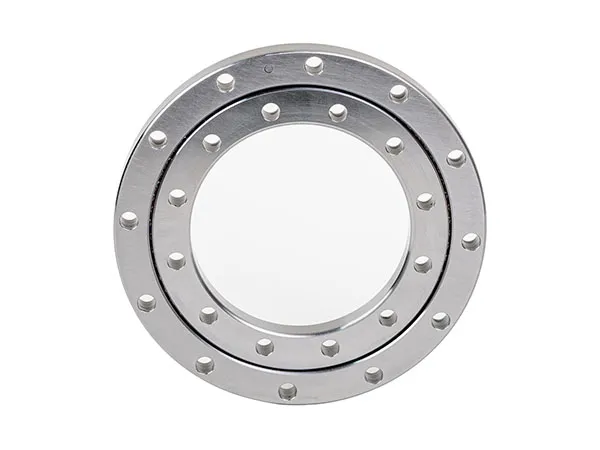
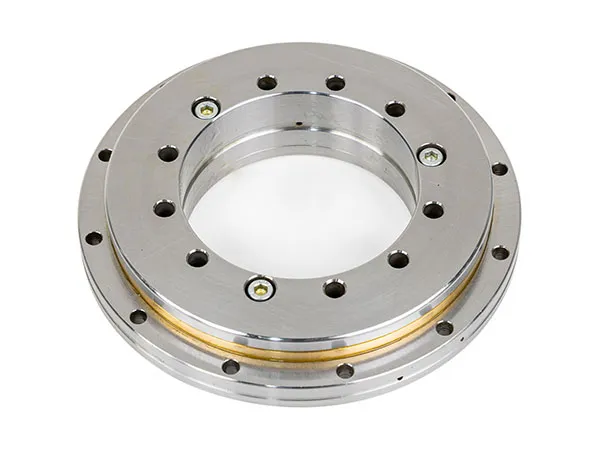
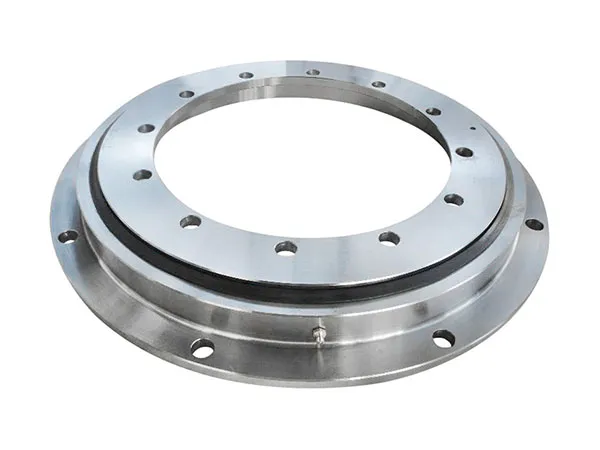
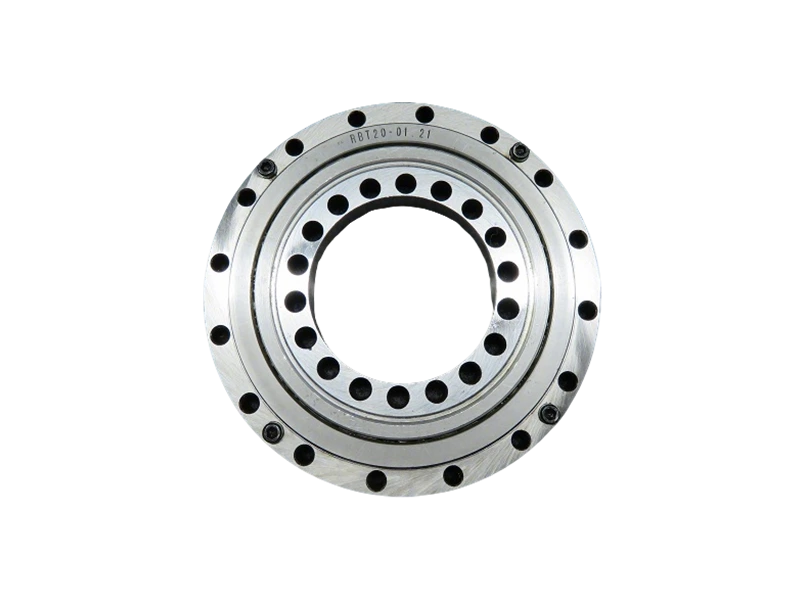
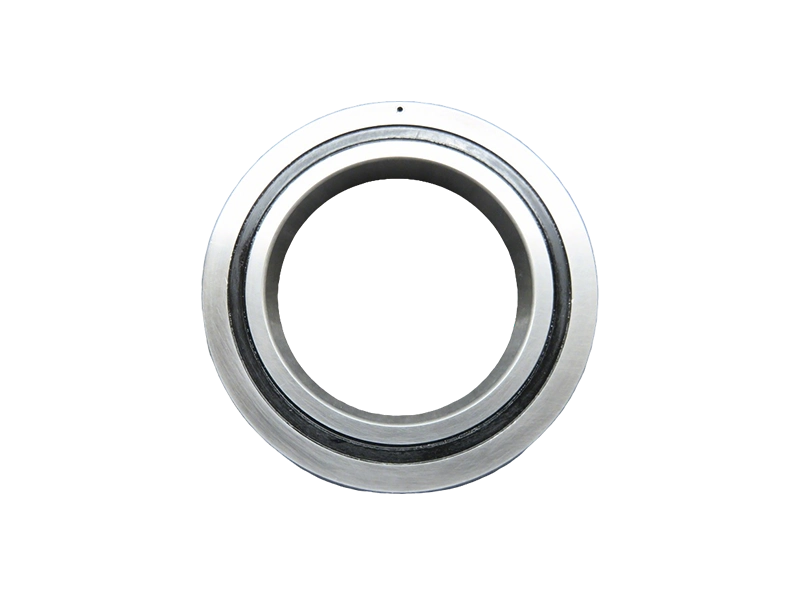
Выбор правильного поворотный подшипник is crucial for the efficient and safe operation of machinery. It involves a detailed analysis of the application’s requirements and the operating environment.

How to choose a slewing bearing

slewing bearing

1. Understand Load Requirements

Slewing bearings are designed to handle complex load combinations. You need to accurately determine all the loads acting on the bearing:

Осевая нагрузка (Fa): The vertical force acting along the axis of rotation.

Радиальная нагрузка (Fr): The horizontal force acting perpendicular to the axis of rotation.

Tilting Moment (M): The force that tries to tip the bearing over. This is often the determining factor for slewing ring selection. It’s a product of a force and its distance from the bearing’s axis of rotation.

It’s essential to consider both static (at rest) and dynamic (during operation, including impact and shock loads) maximum loads. Manufacturers often providestatic limiting load diagramsto help estimate the required bearing size based on axial load and tilting moment.

2. Consider Bearing Type

Different slewing bearing types are suited for various load capacities and performance characteristics:

Four-Point Contact Ball Slewing Bearings:

Характеристики: Compact structure, легкий вес, four-point contact between balls and raceway. Can bear axial, радиальный, and tilting moment loads simultaneously. Good for low to medium speeds.

Приложения: Small to medium-sized cranes, экскаваторы, welding operators, slew conveyors.

Crossed Cylindrical Roller Slewing Bearings:

Характеристики: Rollers arranged in a 1:1 cross pattern. Offer high manufacturing precision, компактная структура, and high rigidity. Can withstand axial, large radial, and tilting moment loads simultaneously.

Приложения: Робототехника, Станки, медицинское оборудование, heavy machinery like large cranes and excavators where high accuracy and rigidity are paramount. Generally limited to lower continuous slewing speeds compared to ball bearings.

Double-Row Ball Slewing Bearings:

Характеристики: Three races with two rows of steel balls (often different diameters). Good for large axial forces and tilting moments.

Приложения: Tower cranes, truck cranes, and other loading/unloading machinery requiring medium to large diameters.
Three-Row Roller Slewing Bearings:

Характеристики: Three separate raceways for upper, lower, and radial rollers. Can accurately determine the load on each row. Offer the largest bearing capacity among standard types, with firm structure and large shaft/radial dimensions.

Приложения: Heavy machinery requiring large diameters, such as bucket wheel excavators, marine cranes, ladle slewing equipment, and large tonnage truck cranes.

3. Evaluate Rotational Speed and Performance

Требования к скорости: Determine the maximum operating speed. Four-point contact ball slewing bearings generally have higher speed capabilities and lower friction than crossed cylindrical roller bearings.

Friction and Efficiency: Lower friction leads to less heat generation and more efficient rotation.

Accuracy: For applications requiring precise positioning (например, робототехника), select bearings with minimal clearance and high manufacturing precision.

slewing bearing

4. Account for Environmental Conditions

Температурная диапазон: Standard bearings typically operate between -30°C and 120°C. Extreme temperatures (very high or low) may require special materials, lubricants, and sealing.

More detailed information about how to choose slewing bearings can be clicked to visit: https://www.mcslewingbearings.com/a/news/slewing-bearing-choose.html

Поворотные подшипники, также известный как поворотные кольца, are crucial mechanical components used to support axial, радиальный, and tilting moment loads in various heavy-duty machines, такие как краны, экскаваторы, ветряные турбины, and rotating platforms. One of the most critical and common failures in slewing bearings is broken or damaged teeth on the gear ring.

Broken teeth on a slewing bearing can lead to serious operational issues, including abnormal noise, вибрация, reduced load capacity, and eventually, total equipment failure. This kind of damage is often a result of improper installation, overloading, Вам будут кратко представлены четыре формы поломки гусеницы., or misalignment during operation.

Causes of Broken Teeth in Slewing Bearings

Slewing bearings

Перегрузка:

Static Overload: Applying a load greater than the bearing’s rated static capacity, even momentarily, can fracture teeth.

Dynamic Overload/Shock Loads: Sudden impacts, jerky movements, or unexpected high loads during operation (например, a crane hitting an obstruction) can exceed the tooth strength.

Uneven Load Distribution: If the mounting structure is not flat or rigid enough, or if bolts are unevenly torqued, the load can concentrate on a few teeth, leading to overload and fracture.

Poor Lubrication:

Недостаточная смазка: Lack of lubricant increases friction and heat, leading to accelerated wear (питтинг, scuffing) which weakens the teeth and can eventually cause them to break.

Неверная смазка: Using a lubricant with the wrong viscosity, insufficient extreme pressure (Эп) additives, or incompatibility with operating conditions can fail to protect the gear teeth.

Contaminated Lubricant: Грязь, обломки, воды, or metal particles in the lubricant act as abrasives, grinding away tooth material and creating stress risers.

Несоосность:

Неправильная установка: If the slewing bearing is not mounted perfectly parallel and concentric with the driving pinion, the load will not be distributed evenly across the face width of the teeth. This leads to edge loading and high stress concentrations, causing tooth breakage.

Structural Deformation: Flexing or deformation of the supporting structures under load can also cause misalignment.

Усталостная неудача:

Repeated cyclic loading, even below the ultimate strength of the material, can lead to the initiation and propagation of cracks, eventually resulting in tooth fracture.

More detailed information about the causes and prevention of tooth breakage of slewing bearings can be found by clicking visit: https://www.mcslewingbearings.com/a/news/causes-of-broken-teeth-of-slewing-bearing.html

А Фланцевой подшипник (also called a flanged rotary bearing or slew ring) is a specialized bearing designed to handle axial, радиальный, and moment loads simultaneously while enabling smooth rotational movement. It is widely used in heavy-duty applications such as cranes, экскаваторы, ветряные турбины, и промышленные проигрыватели.

Flange Slewing Bearing Working Principle

 flange slewing bearing

How it WorksStep-by-Step:

Компоненты: Like any slewing bearing, a flange type consists of:

Внутреннее кольцо: One of the main structural rings. It has a precisely machined raceway for the rolling elements. It might have the flange, or it might be plain. It can also have gear teeth (внутренний или внешний) or be gearless.

Внешнее кольцо: The other main structural ring, also with a raceway. It might have the flange, or it might be plain. It can also have gear teeth or be gearless. Важно, at least one of the rings must have a flange for it to be a “Фланцевой подшипник”.

Катящиеся элементы: These are typically balls (often in afour-point contactarrangement) or cylindrical/tapered rollers (often in acrossed rollerarrangement). They sit between the inner and outer ring raceways and allow low-friction rotation.

Cage/Spacers: Keep the rolling elements evenly distributed and prevent them from contacting each other.

Уплотнения: Protect the internal components from contaminants (грязь, воды, обломки) and retain the essential lubricant (жир).

The Flange(с): The key feature – the projecting rim with mounting holes on either the inner ring, внешнее кольцо, or sometimes both.

Монтаж: This is where the flange makes a difference. Instead of needing to bolt through the main body of the bearing ring (which requires a very rigid and precisely machined mounting surface), the flange provides an easier attachment point.

flange slewing bearing

The structure that mates with the flanged ring simply needs a flat surface to meet the flange.

Bolts are passed through the holes in the flange and secured into the mating structure (например, the base of an excavator or the rotating platform of a medical scanner).

The non-flanged ring (if there is one) is mounted conventionally to the other structure.

Нагрузка передачи:

Осевая нагрузка: Transmitted vertically through the rolling elements from one ring to the other.

More detailed information about how flanged slewing bearings work can be found by clicking visit: https://www.mcslewingbearings.com/a/news/flange-slewing-bearing-working-principle.html

Ремонт поворотный подшипник это сложная задача, которую в идеале должны выполнять опытные специалисты или оригинальный производитель. Однако, понимание общих процессов может оказаться полезным. Ремонт опорно-поворотных подшипников предполагает тщательный и методичный процесс восстановления их производительности и продления срока службы.. Вот пошаговое руководство по ремонту поворотных подшипников..

Ремонт поворотного подшипника

slewing bearing

1. Первоначальная проверка и оценка:

Визуальный осмотр: Подшипник тщательно осматривается на предмет видимых повреждений, таких как трещины., вмятины, коррозия, и повреждение уплотнения.

Проверка производительности: Крутящий момент, уровень шума, и оцениваются любые признаки жесткости или неравномерности вращения..

Измерение зазора: Внутренний зазор подшипника измеряется для определения степени износа.. Циферблатный индикатор часто используется для измерения наклона или раскачивания соединенных конструкций..

Анализ смазочных материалов: Если возможно, отбираются пробы существующей смазки и анализируются на наличие металлических частиц или других загрязнений, что может указывать на внутренний износ.

2. Разборка и очистка:

Поворотный подшипник аккуратно разбирается.. Этот процесс должен выполняться методично., отслеживание ориентации и положения всех компонентов.

Все части (гоночные трассы, тела качения, проставки/клетки, уплотнения) очищаются соответствующими растворителями для удаления старой смазки, загрязняющие вещества, и мусор.

3. Неразрушающее тестирование (Непрерывный):

Каналы качения обычно проверяются с использованием таких методов, как магнитопорошковый контроль или визуальный контроль под увеличением, чтобы обнаружить поверхностные трещины или дефекты, которые могут быть не видны невооруженным глазом..

На дорожках качения можно проводить испытания на твердость, чтобы проверить отсутствие потери твердости материала..

4. Оценка ремонтопригодности:

По результатам контроля и неразрушающего контроля, квалифицированный инженер определяет, подлежит ли подшипник ремонту. Учитываемые факторы включают тяжесть и место повреждения., общий износ, и экономичность ремонта по сравнению с заменой.

Если ущерб обширный (например, значительное растрескивание, сильный износ дорожек качения), замена обычно является рекомендуемым способом действий.

slewing bearing

5. Процедуры ремонта (В зависимости от ущерба):

Незначительные повреждения (Трещины, Небольшие вмятины): Возможна сварка и последующая механическая обработка для восстановления исходных размеров.. Это требует специального опыта и оборудования для обеспечения надлежащих свойств материала и точности размеров..

Для получения более подробной информации о ремонте поворотных подшипников нажмите, чтобы посетить: https://www.mcslewingbearings.com/a/news/slewing-bearing-repair.html

Поддержание Сварка ротатор (also known as a turning roll or pipe rotator) is crucial for its longevity, safe operation, and consistent performance. Proper maintenance helps prevent breakdowns, ensures accurate rotation, and protects your investment.

Welding Rotators Maintenance

welding rotator

я. Безопасность в первую очередь!

Блокировка/Tagout (Сердце): Before any maintenance, ensure the rotator is completely de-energized and locked out/tagged out to prevent accidental startup.

Личное защитное оборудование (СИЗ): Носите соответствующий СИЗ, такие как защитные очки, перчатки, и сапоги стального носка.

Stable Load: Ensure any workpiece is removed or securely supported before performing maintenance that could affect its stability.

Руководство производителя: Always consult the specific manufacturer’s manual for your model. This guide is general; your manual will have model-specific instructions and recommendations.

II. Regular Maintenance Schedule & Checklist

А. Ежедневно / Before Each Use:

Визуальный осмотр:

General Cleanliness: Check for excessive dirt, жир, weld spatter, или мусор. Clean as needed.

Валки (Drive & Idler): Осмотрите на наличие повреждений, носить, flat spots, or embedded foreign objects (шлак, металлическая стружка). Clean roller surfaces.

Cables & Hoses: Check power cables, control pendant cables, and any hydraulic/pneumatic lines for cuts, frays, kinks, или носить. Ensure they are not tripping hazards.

Control Panel/Pendant: Check for damage. Ensure all buttons, переключатели, and E-stops are functional and not sticking.

Guards & Функции безопасности: Verify all safety guards are in place and secure. Test the E-stop function.

Leaks: Look for any oil or grease leaks from gearboxes, подшипники, or hydraulic systems.

Functional Check:

Smooth Operation: Briefly run the rotator (unloaded or with a light test piece) to check for smooth rotation, unusual noises (измельчение, whining, clicking), or excessive vibration.

Speed Control: Verify that speed adjustments work correctly.

В. Еженедельное обслуживание:

Тщательная очистка:

Clean weld spatter and debris from rollers, рамка, and drive components. Use a wire brush, scraper (carefully to avoid damaging rollers), or appropriate cleaning agents.

For more detailed information on welding rotator maintenance click to visit: https://www.bota-weld.com/en/a/news/welding-rotator-maintenance.html

Сварная колонна и бумы (также известный как сварки манипуляторов) Универсальные части оборудования, используемые для автоматизации и повышения эффективности и качества сварки, Особенно надолго, окружной, или повторяющиеся сварки на больших заготовках. Они в основном различаются в зависимости от своей мобильности, размер/емкость, и иногда степень артикуляции или контроля.

Типы бумб сварки колонны

Welding Column Booms

Фиксированный тип (Стационарный):

Описание: Основание колонны прикреплено непосредственно на пол мастерской или тяжелую основу.

Вариант использования: Идеально подходит для специальных сварочных станций, где заготовка доставляется в манипулятор. Часто используется для повторяющихся задач на компонентах аналогичного размера.

Плюс: Очень стабильный, занимает определенный след.

Минусы: Не хватает мобильности; позиционирование заготовки имеет решающее значение.

Подвижный тип (Отдельно стоящий / Портативный):

Описание: Колонна монтируется на тяжелой основе, оснащенной роликами или колесами, позволяя его перемещать по мастерской. Он может быть перемещен вручную или имеет простой моторизованный привод для позиционирования.

Вариант использования: Предлагает гибкость для перемещения манипулятора на разные заготовки или рабочие зоны в бухте.

Плюс: Более универсальные, чем фиксированные типы для различных мест работы.

Минусы: Может потребоваться выравнивание или выписки для стабильности во время работы, Особенно для более крупных моделей.

Трек/железнодорожный тип (Travel Car Type):

Описание: Сборка колонны и стрелы установлены на моторизованной карете, которая работает на точно проложенных рельсах или дорожках на полу.

Вариант использования: Необходимо для сварки очень длинные продольные швы на таких предметах, как крупные трубы, танки, балки, или корпус корабля. Манипулятор путешествует по длине заготовки.

Плюс: Точное линейное движение на большие расстояния, Высокая производительность для длинных сварных швов.

Минусы: Требуется выделенная установка трека, менее гибкий для нелинейной работы.

Классификации на основе размера/пропускной способности (часто перекрывается с вышеизложенным):

Welding Column Booms

Светлый:

Краткий бум досягаемости (например, до 2-3 метры).

Более низкая пропускная способность (Для более легких сварных головок и аксессуаров).

Для получения более подробной информации о типах бум столбца сварки нажмите, чтобы посетить: https://www.bota-weld.com/en/a/news/welding-column-booms-types.html

Welding manipulators are essential pieces of equipment in automated and semi-automated welding operations, designed to provide precise control over welding torches for consistent and high-quality welds. Однако, like all industrial machinery, welding manipulators are subject to wear, mechanical failures, and electrical issues over time. Knowing how to diagnose and repair a welding manipulator is crucial for maintaining production efficiency, ensuring workplace safety, and minimizing downtime.

Repairing a welding manipulator involves diagnosing common mechanical, electrical, and welding-related issues.

Welding Manipulator Repair

Welding manipulators

1. Определите проблему

Before starting repairs, observe symptoms to narrow down the issue:

Механические проблемы: Jerky movement, смещение, excessive vibration, или необычные шумы.

Электрические проблемы: Сбой питания, motor not responding, or erratic control behavior.

Welding Issues: Poor arc stability, inconsistent wire feed, or irregular torch movement.

2. Common Repairs & Решения

А. Mechanical Repairs

Check Rails & Guides

Issue: Misalignment or wear causing jerky movement.

Причины:

Clean and lubricate linear guides.

Adjust or replace worn-out rails/bearings.

Inspect Drive Mechanism

Issue: Faulty gears, ремни, or chains.

Причины:

Tighten or replace loose/damaged belts/chains.

Grease gears or replace if teeth are worn.

Столбец & Boom Stability

Issue: Excessive vibration or wobbling.

Причины:

Tighten bolts and structural joints.

Check for cracks in the boom and repair with welding if needed.

В. Электрический & Motor Repairs

Motor Not Running

иначе могут возникнуть проблемы:

Power supply (fuses, выключатели, Напряжение).

Motor brushes (for DC motors) or windings (for AC motors).


Gantry welding machines are specialized automated welding systems designed for high-precision, large-scale welding applications, особенно в таких отраслях, как судостроение, structural steel fabrication, и тяжелое машиностроение. A gantry welding machine operates on a principle of automated movement and precise control of the welding head over a workpiece.

Gantry welding machine working principle and how to achieve 0.1mm welding precision

Gantry welding machines

Gantry Welding Machines Working Principle

Портальная структура: The machine features an overhead bridge-like structure (the gantry) that spans the welding area. This gantry provides a stable and rigid framework for the welding process.

Multi-Axis Movement: A carriage or trolley carrying the welding head moves along the gantry (typically the X-axis). The gantry itself can also move along rails (the Y-axis), and the welding head often has vertical movement (the Z-axis). This multi-axis movement allows the welding head to reach any point within the machine’s working envelope.

Automated Control System: The movement of the gantry and the welding head is controlled by a sophisticated numerical control (ЧПУ) system or a programmable logic controller (ПЛК). This system directs servo motors that drive the movement along each axis with high precision.

Welding Process Integration: The gantry system is integrated with various welding power sources and equipment (например, Сварка под флюсом (ПИЛА), Металл Инертный Газ (МНЕ), Металлический активный газ (MAG)). The control system also manages the welding parameters such as voltage, текущий, wire feed speed, и скорость движения.

Seam Tracking (Optional but crucial for precision): Advanced gantry welding machines often incorporate seam tracking systems. These systems use sensors (например, механический, laser, vision) to detect the actual weld joint in real-time and automatically adjust the welding head position to follow the seam accurately, even if the workpiece has slight variations or distortions.

Погрузочно-разгрузочные работы: While not directly part of the welding principle, gantry machines are often integrated with material handling systems (например, конвейеры, позиционеры) to move and orient the workpiece efficiently.

Achieving 0.1mm Welding Precision

Gantry welding machines

Achieving such high welding precision (0.1миллиметровый) requires a combination of advanced technologies and meticulous engineering:

High-Precision Motion Control System:

High-Resolution Encoders: Servo motors on each axis must be equipped with high-resolution encoders to provide precise feedback on the welding head’s position.

This allows the control system to make minute adjustments to ensure accuracy.

More detailed information about the working principle of the gantry welding machine can be clicked to visit: https://www.bota-weld.com/en/a/news/gantry-welding-machine-working-principle.html

Выбор правильного мяч пресс машина is a critical step in setting up an efficient and profitable briquette production line. Whether you’re working with coal powder, metal fines, угольная пыль, or mineral residues, selecting a machine that fits your raw materials, производственная мощность, and budget will directly impact the quality and strength of your briquettes. В этом руководстве, we’ll walk you through the key factors to consider when buying a ball press machine.

Ball Press Machine for Briquettes Selection

ball press machine

1. Raw Material Compatibility

The type of raw material you’ll be briquetting is paramount. Different machines are designed for specific materials and their characteristics (содержание влаги, particle size, binding properties).

Common Materials:

Biomass: Опилки, щепки, сельскохозяйственные отходы (солома, рисовая шелуха, bagasse, coffee husks, peanut shells), bamboo.

Coal/Charcoal: Coal powder, угольная пыль, coke dust, lignite, anthracite.

Minerals/Ores: Iron powder, минеральный порошок, oxidized scale, шлак, гипс, tailings, ил, kaolin, activated carbon, metal fines.

Другие: Quicklime powder, magnesium powder, огнеупорные материалы, керамические материалы.

Соображения:

Размер частиц: Most ball press machines require the raw material to be finely ground (often less than 3mm, with a significant percentage below 1mm) for optimal briquette formation and strength. You may need a grinder or hammer mill as a pre-processing step.

Содержание влаги: The ideal moisture content varies by material and machine, but it’s often around 8-10% for charcoal/coal and can be higher for some biomass.

Too much or too little moisture can significantly impact briquette quality.

2. Производственная мощность

Determine your desired output. This will dictate the size and power of the machine you need.

Factors:

Amount of raw material available.

Required briquette output per hour/day (например, 1-2.5 Т/ч, 3-5 Т/ч, 5-8 Т/ч, до 28 t/h for larger models).

Operating hours (single shift, continuous operation).

Calculation: For a basic estimation, consider the density of your briquettes and the volume they occupy, then factor in the machine’s efficiency and the time available for production.

3. Briquette Size and Shape

Ball press machines typically produce briquettes in various shapes, включающий:

More details about how to choose briquette press machine can be clicked to visit: https://www.zymining.com/en/a/news/ball-press-machine-for-briquettes-selection.html

Молотковые дробилки are widely used in mining, Представление преимуществ производительности машины для изготовления клапанных пакетов, металлургия, and aggregate industries for crushing medium-hard materials such as limestone, каменный уголь, and gypsum. Однако, abnormal vibration during operation is a common issue that can severely impact machine performance and lifespan.Large vibrations in a hammer crusher are a common problem and can lead to premature wear, component failure, снижение эффективности, and safety hazards.

Reasons for Large Vibration of Hammer Crusher

hammer crusher

Rotor Imbalance (Наиболее распространенная причина):

Uneven Hammer Wear: Hammers wear down at different rates depending on their position and the feed material. If not managed, this creates a significant weight imbalance.

Incorrect Hammer Replacement: Replacing hammers with ones of different weights, or replacing only some hammers without balancing, will cause imbalance.

Hammers should always be replaced in sets (opposite pairs or full sets) and be weight-matched.

Broken or Missing Hammers/Pins: A broken hammer or a lost hammer pin will immediately create a severe imbalance.

Наращивание материала: Sticky or wet material can build up unevenly on the rotor, молотки, or inside the rotor discs, adding weight to one side.

Bent Rotor Shaft: A bent shaft will cause the entire rotor assembly to wobble.

Rotor Disc Deformation: If the discs holding the hammers are bent or damaged.

Bearing Issues:

Изношенные или поврежденные подшипники: Worn bearings develop excessive clearance (играть), allowing the shaft to move erratically, leading to vibration. Damaged races or rolling elements also cause rough running.

Incorrect Bearing Lubrication: Too little, too much, or the wrong type of lubricant can cause bearings to overheat and fail.

Misaligned Bearing Housings: If the bearing housings are not perfectly aligned, they put undue stress on the bearings and shaft.

Loose Components:

Loose Foundation Bolts: If the crusher is not securely anchored to its foundation, it will vibrate excessively.

Loose Rotor Mounting Bolts: Bolts connecting the rotor to the shaft or bearing assemblies.

Loose Hammer Pins/Bolts: If hammer pins are loose, hammers can shift, contributing to imbalance and impact forces.

Loose Liner Plates or Grate Bars: Can vibrate independently or cause material to jam.

Operational Issues:

Overfeeding: Feeding too much material at once can choke the crusher, leading to uneven loads and vibration.

Feeding Uncrushable Material: Introducing tramp metal or excessively hard material can cause sudden shocks and damage, leading to vibrations.

More detailed information about the causes of high vibration of hammer crusher can be clicked to visit: https://www.zymining.com/en/a/news/reasons-for-large-vibration-of-hammer-crusher.html