
Compliance in cold storage is not merely a regulatory checkbox for the food and pharmaceutical industries—it is the bedrock of product safety, efficacy, and brand trust. A single temperature excursion can compromise millions of dollars of vaccine stock or render perishable food unsafe. Yet, navigating the complex web of FDA, EMA, HACCP, and GMP requirements while maintaining operational efficiency challenges even seasoned facilities managers. This comprehensive guide breaks down the core pillars of cold storage compliance, from temperature mapping to material selection, and explains how TZY Kitchenware’s engineered solutions help companies meet the highest standards without sacrificing productivity.
Understanding Cold Storage Compliance: Regulations and Risks
Cold storage compliance encompasses all measures that ensure stored products remain within specified temperature ranges throughout their lifecycle. For pharmaceuticals, bodies like the FDA (21 CFR Part 211) and EMA (Good Distribution Practice) mandate strict temperature control and documentation. In the food sector, HACCP principles require critical control points for cold storage, with USDA and local health authorities enforcing standards. Non-compliance leads to product loss, recalls, legal liability, and reputational damage. The core risk factors include equipment failure, human error, power outages, and improper facility design.
Common Regulatory Frameworks at a Glance
- FDA 21 CFR Part 211: Current Good Manufacturing Practice for pharmaceuticals, requiring temperature monitoring and alarm systems.
- EU GDP Guidelines: Emphasize temperature mapping during qualification and continuous monitoring in storage and transport.
- HACCP: Mandates identification of critical control points (e.g., cold room temperature) with defined limits and corrective actions.
- WHO Technical Report Series: Provides guidelines for cold chain management of vaccines and biologics.
Temperature Control and Monitoring: The Heart of Compliance
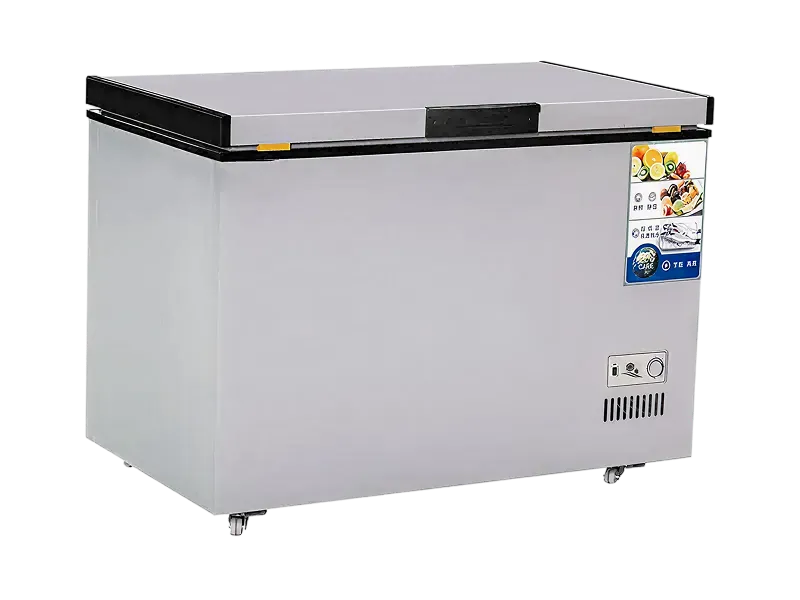
Precise temperature control is non-negotiable. However, compliance goes beyond setting a thermostat. Facilities must implement validated monitoring systems that record data at defined intervals, trigger alarms when temperatures drift, and store records for regulatory review. Key elements include:
Sensor Placement and Mapping
Temperature mapping studies—conducted during initial qualification and periodically thereafter—identify hot and cold spots within the cold room. Sensors must be placed where products are actually stored, not just near the cooling unit. For pharmaceutical cold rooms, mapping is required under worst-case conditions (e.g., full load, empty, door openings).
…
For more detailed information on the ultimate guide to food and drug refrigeration compliance, please click here: https://www.tzykitchenware.com/a/news/cold-storage-guide.html

