
Choosing between a manual glass cutter and a CNC glass cutting machine is not merely a matter of tool preference — it is a financial decision that affects your operation’s labor costs, material yield, production speed, and long-term scalability. Glass fabricators, window manufacturers, and specialty glass workshops face this exact crossroads when expanding capacity or replacing aging equipment. This cost-benefit analysis examines both cutting methods across investment, operational expenses, quality control, and return on investment, so you can determine which route makes sense for your business size and production goals.
Understanding the Core Differences Between Manual and CNC Glass Cutting
Before diving into costs, it is essential to define what each technology involves, because the difference extends far beyond the machine itself.
The Manual Glass Cutter: Craft and Operator Dependency
A manual glass cutter is a handheld tool fitted with a tungsten carbide or diamond cutting wheel. The operator scores the glass surface by hand, then applies pressure along the score line to separate the panel. While simple in construction, the tool demands substantial skill. The operator controls cutting pressure, speed, and angle — variables that directly influence edge quality and break-out accuracy. For high-mix, low-volume workshops producing one-off pieces or custom shapes, this flexibility is valuable. But when production scales up, the lack of repeatability becomes a bottleneck.
The CNC Glass Cutting System: Automation and Precision
A CNC glass cutting machine automates the scoring process. A computer-controlled bridge moves the cutting head over a flat table, following programmed shapes with high precision. Modern systems integrate optimization software that arranges parts on a glass sheet to minimize waste, and the machine can be reprogrammed and set up for a new job in minutes. The human role shifts from executing the cut to loading and unloading glass and managing the cutting schedule.
Upfront Investment: What Does Each Option Cost?
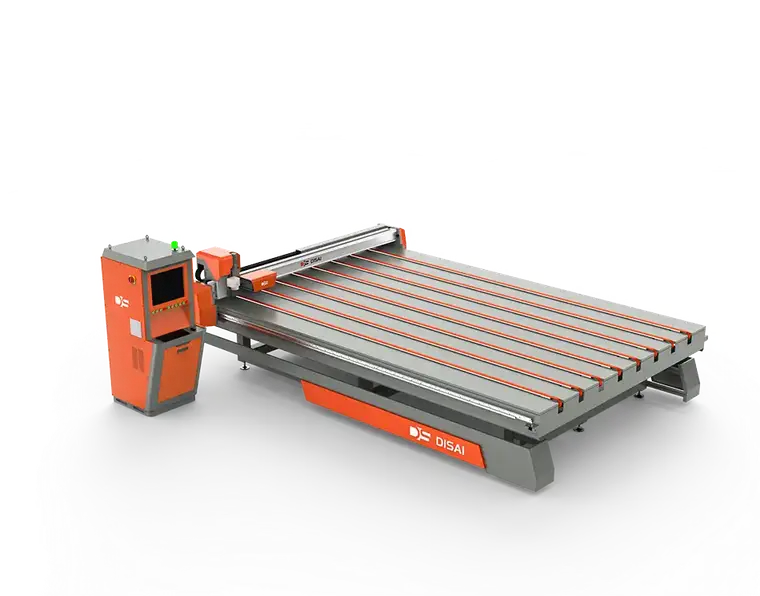
The initial capital outlay is the first and most obvious differentiator between the two approaches.
- Manual glass cutters typically cost from a few hundred to several thousand dollars, depending on brand, wheel quality, and whether the tool is handheld or a straight-line bench cutter. This makes them accessible to small workshops with limited capital.
…
For more detailed information on the cost-benefit analysis of manual and CNC glass cutting machines, please click here: https://www.disaiglass.com/industry-news/glass-cutter-guide/
