
When the lights go out or a compressor fails, every minute counts. For commercial kitchens, laboratories, and cold storage facilities, a sudden loss of refrigeration can translate into thousands of dollars in lost inventory, violated health codes, and disrupted operations. Yet many businesses lack a structured backup plan for exactly these scenarios. This article examines what a robust emergency cold storage strategy looks like, from backup power systems to portable cold rooms, and explains why investing in commercial-grade equipment from a trusted supplier such as TZY Kitchenware is a critical step in protecting your business.
Understanding the Risks: Why Emergency Cold Storage Matters
Power outages and equipment failures are not just inconveniences; they are direct threats to food safety, product integrity, and revenue. A typical commercial refrigerator can maintain safe temperatures for only a few hours without power, depending on insulation, ambient temperature, and how often the door is opened. After that, perishable goods enter the temperature danger zone (above 40°F or 4°C). According to the FDA, food held above 40°F for more than two hours should be discarded. For a busy restaurant or grocery store, a four-hour outage could mean throwing away thousands of dollars in meat, dairy, and prepared items.
Equipment failure adds another layer: a broken compressor or refrigerant leak can take days to repair. Without a backup cold storage solution, a business may be forced to close temporarily, permanently lose customers, or face legal liability. Understanding these risks is the foundation of any serious backup plan.
Key Components of a Comprehensive Backup Plan
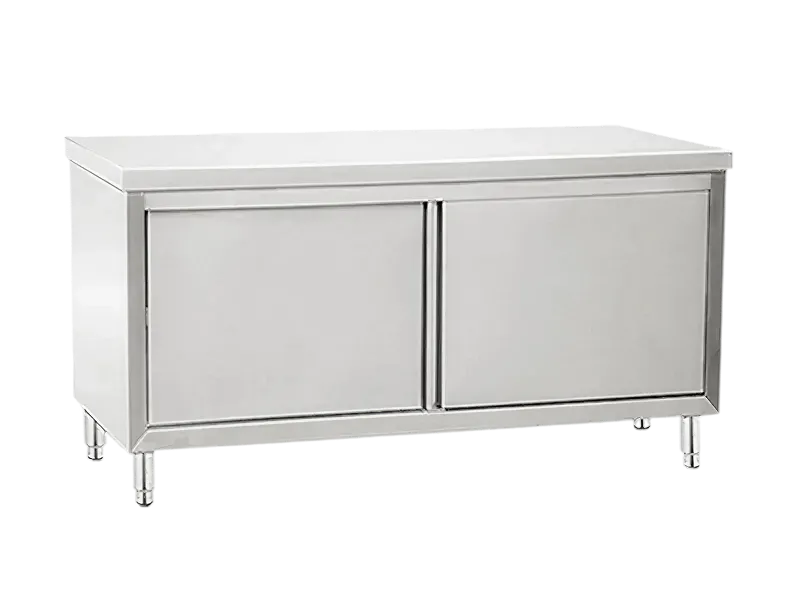
A well-designed emergency cold storage plan consists of several interconnected elements. Each component reduces the time your inventory spends at unsafe temperatures and buys you critical hours or days to resolve the primary issue.
1. Backup Power Supply
The first line of defense is an uninterruptible power source. Options range from portable generators to permanently installed standby generators with automatic transfer switches. While a small gas-powered generator can keep one freezer running, a commercial kitchen often requires a unit rated for 20–50 kW to handle multiple refrigerators, freezers, lighting, and ventilation. Fuel type (diesel, natural gas, or propane), run time, and maintenance schedules are key factors to evaluate.
2. Temporary Cold Storage Units
Even with generator power, a failed compressor inside your existing unit renders it useless. That is where portable cold storage comes in. Walk-in freezer trailers, refrigerated shipping containers, or pre-configured portable cold rooms can be rented or purchased. They plug into a standard generator or building power and provide immediate temperature-controlled space. TZY Kitchenware offers a range of modular cold storage units designed for rapid deployment, with heavy-duty insulation and precise digital thermostats that maintain stable temperatures even in harsh conditions.
…
For more information on cold storage ROI: How proper insulation measures can recoup costs within two years, please click here: https://www.tzykitchenware.com/a/news/cold-storage-roi.html

