
Light steel structure homes have gained significant traction in modern construction, yet a handful of persistent myths continue to cloud the judgment of potential homeowners. From concerns about durability and insulation to fears of high costs and fire risks, these misconceptions often prevent buyers from exploring one of the most efficient and resilient building systems available. As a leading provider in this field, HBFRM STEEL has encountered these questions countless times. In this article, we separate fact from fiction by addressing seven of the most common myths surrounding light steel frame homes, providing clear, evidence-based answers to help you make an informed decision.
Myth #1: Light Steel Homes Are Not as Strong as Traditional Concrete or Wood Structures
It is a widespread belief that steel framing lacks the robustness of concrete or the familiar solidity of timber. In reality, light gauge steel (LGS) is engineered to withstand extreme loads that would compromise traditional materials. Steel has a high strength-to-weight ratio, meaning it can carry substantial forces without adding unnecessary mass. For example, a well-designed steel frame can endure heavy snow loads, high winds, and even seismic activity better than many wood structures. HBFRM STEEL uses galvanized steel with a yield strength of at least 550 MPa, far exceeding the tensile strength of standard lumber. The perception of weakness often stems from the term “light”, which refers to the frame’s weight—not its capacity. In fact, the combination of steel framing and proper connections creates a monolithic structural system that distributes stress evenly, ensuring long-term stability.
Myth #2: Steel Framing Makes the House Cold in Winter and Hot in Summer
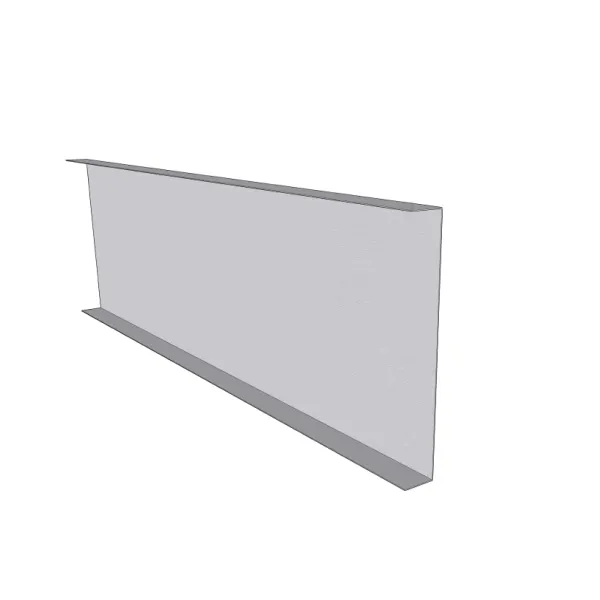
Another frequent concern revolves around thermal performance. Some assume that steel conducts heat more readily than wood, leading to energy inefficiency. However, modern light steel homes incorporate thermal break technology and continuous insulation precisely to eliminate thermal bridging. Wall assemblies typically include a layer of rigid insulation on the exterior, followed by a cavity filled with fibrous or foam insulation, and then an interior vapor barrier. The steel members themselves are often coated or embedded within the insulated envelope. Research shows that correctly installed LGS walls can achieve U-values comparable to or better than wood-framed walls of the same thickness. HBFRM STEEL recommends design options such as “offset stud” or “hat channel” systems to further minimize heat transfer. Therefore, a steel frame house can be just as comfortable—and energy-efficient—as any other construction method.
Myth #3: Light Steel Homes Are Too Expensive
Cost is a major decision factor, and many believe that steel framing carries a premium that cannot be justified. While it is true that the material cost per square meter may be slightly higher than traditional timber, the overall project cost can be very competitive when total lifecycle expenses are considered. First, steel frames are prefabricated off-site with high precision, reducing on-site labor hours and waste disposal costs. Second, the durability of steel eliminates expenses for pest treatments, rot repairs, or mold remediation — common hidden costs in wood homes. Third, insurance premiums for steel-framed homes are often lower because of their fire resistance and structural integrity. When you factor in the speed of construction (a steel shell can be erected in days, not weeks) and minimal maintenance, the total cost of ownership often favors steel. HBFRM STEEL offers tailored packages that help customers compare upfront investment against long-term savings.
…
For more information on debunking 7 common misconceptions about light steel structure houses, please click to visit: https://www.hbfrmsteel.com/a/news/steel-house-myths-de.html
