
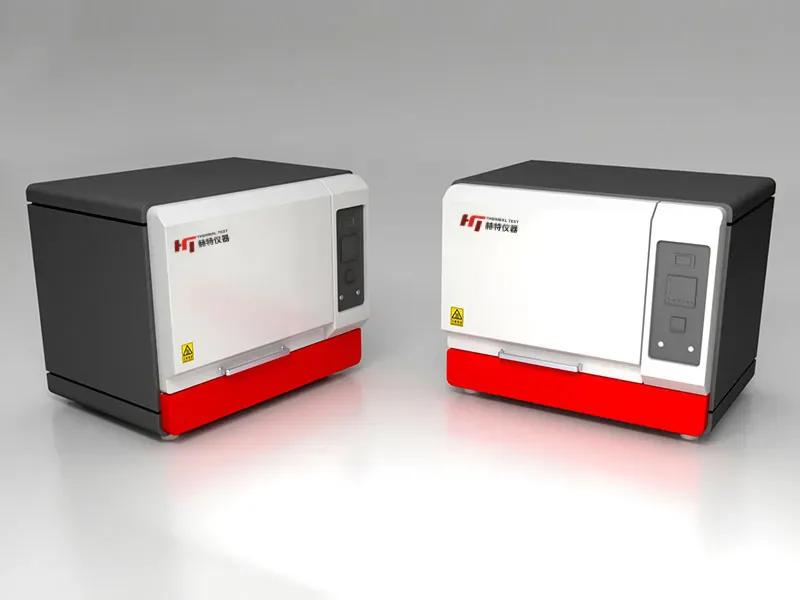
Muffle furnaces are widely used in laboratories, metallurgy testing, ceramic processing, heat treatment research, and quality control environments where stable and uniform high-temperature heating is required. At the core of their performance lies the heating element system, which directly determines temperature accuracy, energy efficiency, and operational stability. However, in real industrial and laboratory applications, heating elements are also among the most frequently failing components. Understanding the root causes of these failures and implementing proper solutions is essential for reducing downtime, extending furnace lifespan, and maintaining consistent process quality.
This article provides a practical and engineering-oriented analysis of common muffle furnace heating element failures, their underlying causes, and proven maintenance strategies based on industrial experience and thermal equipment engineering principles.
1. Understanding the Role of Heating Elements in a Muffle Furnace

The heating element in a muffle furnace is responsible for converting electrical energy into thermal energy, typically operating under extreme conditions ranging from 800°C to over 1800°C depending on furnace design. Common materials include Kanthal (FeCrAl alloy), Nichrome (NiCr alloy), silicon carbide (SiC), and molybdenum disilicide (MoSi₂) for high-temperature applications.
Each material behaves differently under thermal stress, oxidation exposure, and electrical load. Therefore, element performance is not only determined by material quality but also by installation method, load distribution, furnace atmosphere, and maintenance practices.
2. Common Muffle Furnace Heating Element Failures
2.1 Element Burnout Due to Overheating
One of the most frequent failures occurs when heating elements operate beyond their rated temperature. Prolonged overheating accelerates oxidation and causes rapid material degradation, especially in Kanthal and Nichrome wires. This often leads to sudden breakage or localized melting.
In many cases, overheating is not caused by the element itself but by faulty temperature control systems, such as malfunctioning thermocouples, PID controller miscalibration, or relay failure.
2.2 Oxidation and Surface Degradation
Heating elements exposed to air at high temperatures gradually form an oxide layer. While a thin oxide layer can protect certain alloys, excessive oxidation leads to brittleness and resistance drift. Over time, this causes uneven heating and eventual element failure.
This issue is particularly common in furnaces that are frequently operated at maximum temperature without controlled cooling cycles.
2.3 Mechanical Fracture and Thermal Stress Cracking
Thermal expansion and contraction during heating and cooling cycles generate mechanical stress within the element. Repeated cycling can lead to micro-cracks that eventually propagate into complete fracture.
…
For more detailed information on common faults and solutions for muffle furnace heating elements, please click to visit: https://www.lyheatest.com/en/a/electric-furnace-knowledge/common-muffle-furnace-heating-element-failures-and-solutions.html

