
Поворотные подшипники являются критическими компонентами в тяжелых техниках, таких как краны, экскаваторы, ветряные турбины, и погрузочно-разгрузочное оборудование, обеспечение плавного вращательного движения при экстремальных нагрузках. Несмотря на их прочную конструкцию, эти подшипники подвержены ряду неисправностей, которые могут привести к дорогостоящим простоям., небезопасные условия эксплуатации, и преждевременная замена. Понимание коренных причин этих сбоев и реализация целевых стратегий предотвращения имеют важное значение для максимизации надежности оборудования и совокупной стоимости владения.. В этой статье рассматриваются наиболее распространенные виды отказов поворотных подшипников, встречающиеся в различных отраслях, и приводятся практические рекомендации по их предотвращению., с информацией от LYMC, ведущий производитель, известный своими прецизионными поворотными подшипниками.
1. Растрескивание и отслаивание материала
Откол, также называется отслаиванием или питтингом, это постепенное удаление металла с поверхностей дорожек качения или тел качения. Это наиболее часто встречающийся вид отказа поворотных подшипников., часто приводит к вибрации, шум, и возможный захват.
Коренные причины
- Перегрузка: Чрезмерные статические или динамические нагрузки, превышающие номинальную грузоподъемность подшипника, вызывают усталость подповерхностной поверхности., возникновение трещин, которые распространяются на поверхность.
- Недостаточная смазка: Недостаточное количество или разрушенная смазка не образует защитную эластогидродинамическую пленку., приводит к контакту металла с металлом и ускоренному износу.
- Загрязнение: Твердые частицы, такие как песок, пыль, или металлический мусор попадает в дорожки качения подшипника, действуют как абразивы, вызывающие микротрещины.
- Несоосность: Угловое смещение между кольцами подшипников концентрирует нагрузку на локализованных участках., содействие раннему растрескиванию.
Меры профилактики
- Строго соблюдайте грузоподъемность, указанную производителем, и избегайте ударных нагрузок во время эксплуатации..
- Внедрить программу планового повторного смазывания, используя высококачественную смазку, подходящую для условий эксплуатации. (температура, влага, скорость).
- Используйте подходящие уплотнительные решения, такие как лабиринтные уплотнения или эластомерные манжетные уплотнения, чтобы предотвратить попадание загрязнений.. Подшипники LYMC имеют усовершенствованную конструкцию многокромочного уплотнения, обеспечивающую превосходную защиту от проникновения влаги..
- Проверьте выравнивание во время установки с помощью циферблатного индикатора или лазерного инструмента для выравнивания.; прокладку по мере необходимости для достижения параллелизма внутри 0.1 мм на метр.
2. Треснувшие кольца или сломанные дорожки качения
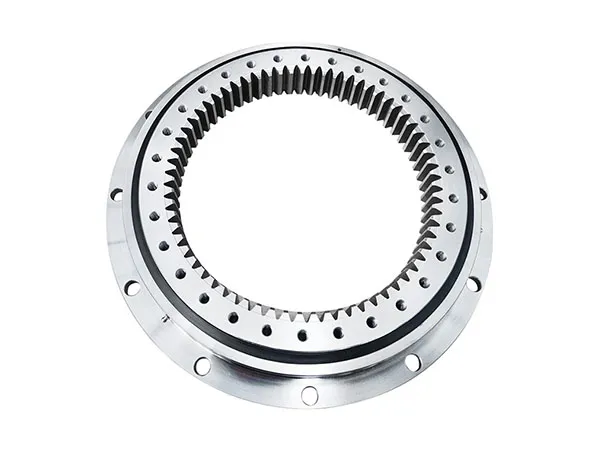
Растрескивание – во внутреннем кольце, внешнее кольцо, или тел качения — это катастрофический отказ, который часто приводит к немедленной остановке оборудования и потенциальной угрозе безопасности..
Коренные причины
- Бринеллинг: Высокие статические ударные нагрузки (например, во время транспортировки или неправильного подъема) создавать углубления, которые действуют как усилители напряжения, приводит к перелому кольца.
- Термический стресс: Быстрые изменения температуры или неравномерный нагрев. (например, от сварки поблизости) может вызвать дифференциальное расширение и растрескивание.
- Водородное охрупчивание: В агрессивных средах, Атомы водорода диффундируют в сталь, снижение прочности и вызывание внезапного перелома.
- Дефекты материала: Включения, пористость, или неправильная термическая обработка некачественных подшипников создает слабые места.
…
Более подробную информацию о распространенных неисправностях поворотных подшипников и их предотвращении см., пожалуйста, нажмите здесь: https://www.mcslewingbearings.com/a/news/slewing-bearing-failures.html

