
As industries such as mining, aggregates, and recycling face mounting pressure to reduce operational costs and meet sustainability goals, the vibrating screen—a critical piece of processing equipment—has become a focal point for energy efficiency improvements. Traditional vibrating screens often consume significant power due to inefficient drive mechanisms, suboptimal motion patterns, and outdated control systems. Modern designs, however, leverage advanced technologies that slash energy consumption without compromising screening performance. This article delves into the key energy-saving innovations reshaping vibrating screen design, and highlights how a leading manufacturer like Haiside is integrating these technologies to deliver tangible value to operators.
The Importance of Energy Efficiency in Vibrating Screen Operations
Vibrating screens are among the most energy-intensive machines in a processing plant, often operating 24/7. Even a modest reduction in power consumption can translate into thousands of dollars in annual savings per unit. Beyond direct cost benefits, energy-efficient designs reduce the carbon footprint of operations, aligning with global environmental regulations and corporate social responsibility targets. Moreover, efficient screens generate less heat, lowering maintenance requirements and extending component life. For these reasons, evaluating energy-saving features has become a critical factor in purchasing decisions for vibrating screens.
Key Energy-Saving Technologies in Modern Designs
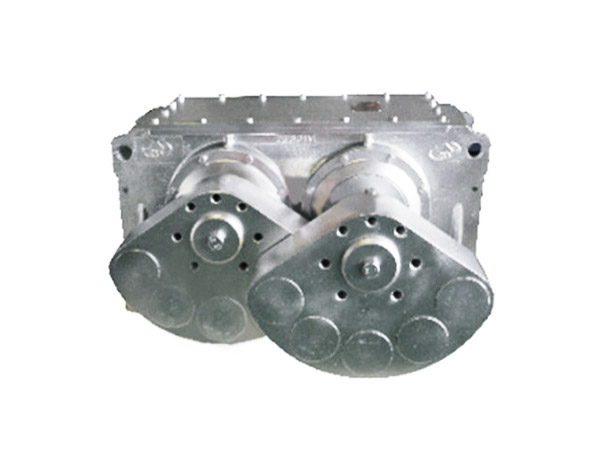
Innovations in mechanical design, materials, and electronics have converged to create a new generation of energy-efficient vibrating screens. The following technologies are at the forefront:
High-Efficiency Vibrators and Drive Systems
Traditional screens rely on belt-driven exciters or unbalanced motors that waste energy through friction and transmission losses. Modern designs employ direct-drive vibrators with high-torque, low-current motors, often coupled with frequency inverters. These systems deliver the required centrifugal force at lower electrical loads. For instance, Haiside’s patented vibrator units use precision-balanced rotors and sealed bearings to minimize mechanical friction, achieving up to 15–20% lower energy consumption compared to conventional models.
Optimized Screen Deck Geometry
The angle and configuration of screen decks directly affect material flow and energy required to convey it. Modern screens feature adjustable inclination angles and curved deck profiles that enhance material stratification, allowing the same throughput at lower vibration amplitudes. Some designs incorporate polyurethane or rubber screen panels with reduced mass, which require less energy to oscillate while improving wear resistance. Haiside’s modular deck system, for example, enables operators to fine-tune the panel configuration based on feed characteristics, further optimizing energy use.
Advanced Control and Automation
Smart controllers with real-time load sensing and adaptive algorithms can automatically adjust vibration frequency and amplitude to match changing feed rates. This prevents over-screening—running at full power when the material load is light—and reduces energy waste. Additionally, modern screens integrate vibration monitoring sensors that detect imbalances or bearing wear early, allowing corrective action before inefficiency escalates. Haiside equips its screens with an intuitive control interface that displays real-time energy consumption per ton, enabling operators to make data-driven adjustments.
…
For more detailed information on energy-saving technologies in modern vibrating screen design, please click to visit: https://www.hsd-industry.com/news/energy-saving-technologies-in-modern-vibrating-screen-designs/

