
When you evaluate a glass cutting machine, the quoted price is only the starting point. Purchase decisions based solely on the initial invoice often lead to budget overruns, production delays, and operational headaches that surface months later. For experienced buyers, the real question is not “What does this machine cost?” but “What will this machine cost me over its lifetime?” This article unpacks five hidden cost drivers that routinely catch even procurement professionals off guard, and outlines how a strategic approach—such as the one offered by DISAI—can keep your total cost of ownership under control.
1. The Real Cost of Downtime: Beyond the Purchase Price
Every minute a glass cutting machine stands still is a minute of lost production, missed deadlines, and idle labor. The most obvious hidden cost is unplanned downtime. A machine that is 15% cheaper but requires frequent service calls can wipe out that savings in a single quarter. When comparing suppliers, ask about mean time between failures (MTBF) and average repair time. A reputable manufacturer like DISAI designs its machines for continuous operation, with heavy-duty components that reduce breakdown frequency. Also consider spare parts logistics: if the supplier cannot ship a critical part within 48 hours, your production schedule suffers far more than the part’s price tag.
How to Protect Yourself
- Request documented MTBF data from the manufacturer.
- Clarify the warranty terms: what exactly is covered, and for how long?
- Confirm the availability of local service engineers or remote diagnostics.
2. Training and Operator Skill Gaps: An Unseen Expense
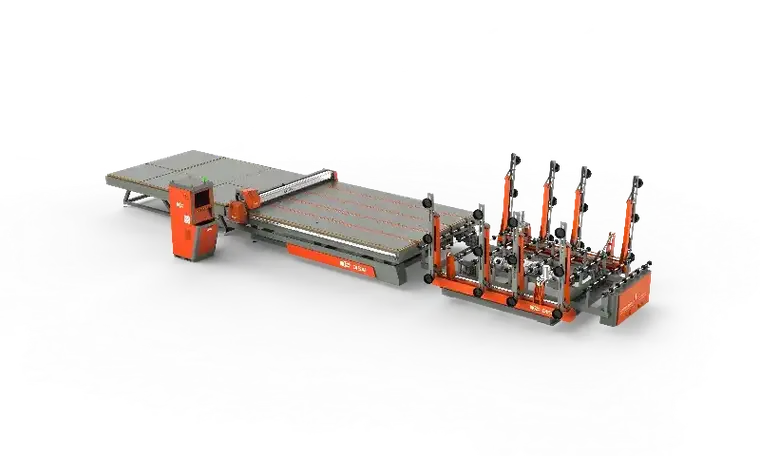
Advanced glass cutting machines often feature complex software, parameter settings, and automatic loading systems. If your operators are not fully trained, you will face a hidden cost that is rarely quoted: the cost of mistakes, slow setup times, and scrapped material. Many buyers overlook the fact that a machine’s efficiency is only as good as the people running it. Insufficient training leads to endless trial-and-error, which consumes raw glass and labor hours. Choose a supplier that offers comprehensive on-site training and documentation. DISAI, for example, includes structured onboarding for operators and maintenance staff, ensuring your team can reach full productivity within days, not weeks.
3. Consumables, Wear Parts, and Maintenance Contracts
Every glass cutting machine relies on consumables: cutting wheels, lubrication oil, belts, and sealing rings. These items have a predictable life span, but buyers often fail to compare their costs across different machinery brands. A machine that uses proprietary, expensive spare parts can turn into a long-term financial burden. Furthermore, a low initial price might correspond to lower-quality bearings or motors that need replacement much sooner than those used by higher-end manufacturers. Before signing, demand a recommended spare parts list with prices and expected replacement intervals. The goal is to calculate the annual maintenance cost per machine, not just the cost of the machine itself.
Key Questions to Ask the Supplier
- What are the typical wear parts and their average lifespan?
- Is the maintenance schedule simple enough for your in-house team?
- Are there discounted preventive maintenance packages available? DISAI offers modular maintenance plans that align with your actual production load.
4. Software, Upgrades, and Integration Costs
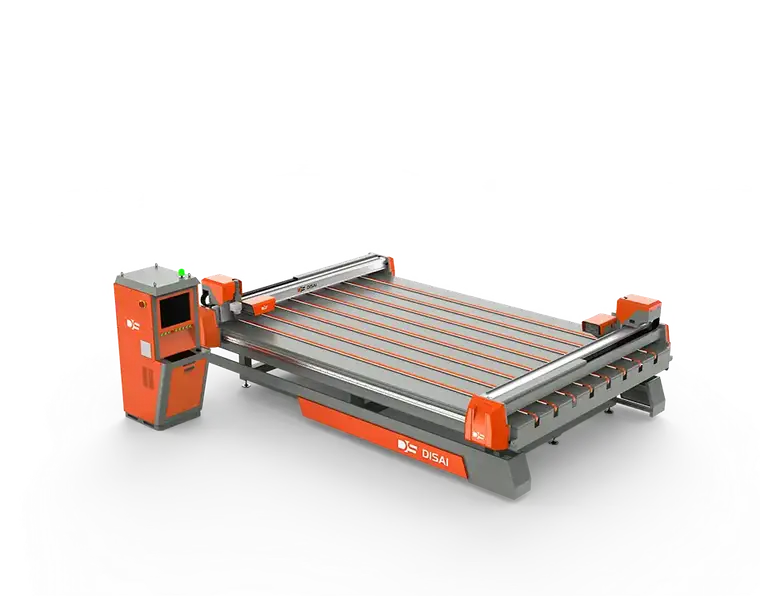
Modern glass cutting machines are increasingly part of an interconnected production line. The hidden cost here is software integration. The cutting machine must communicate with your existing ERP, inventory system, or optimization software. If the machine’s software does not support open data formats or requires expensive custom adapters, you will spend thousands on IT consultants. Additionally, software updates are sometimes listed as optional extras. Over a five-year lifecycle, these costs can exceed 10% of the equipment value. Ask the manufacturer: Are firmware upgrades included? Is the programming interface documented? Does the machine support standard protocols such as OPC UA or Modbus? DISAI machines are built around a user-friendly control system that integrates easily with common glass processing software, minimizing integration surprises.
…
Click here for more details on glass cutting machine buyers: avoiding these 5 hidden costs: https://www.disaiglass.com/industry-news/glass-cutting-costs/
