
Graphite plays a critical role in heat treatment processes due to its exceptional thermal stability, chemical inertness, and excellent heat conductivity. Widely used in high-temperature furnaces, graphite components—such as insulation boards, heating elements, and crucibles—help maintain consistent temperature control and ensure a clean processing environment.
Graphite in Heat Treatment Role
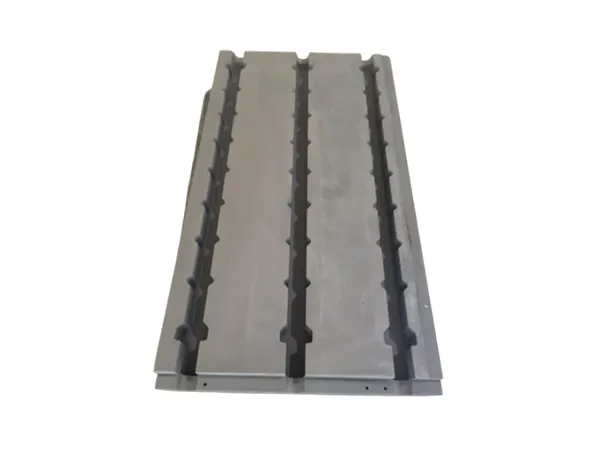
Furnace Components & Fixtures:
High-Temperature Stability: Graphite can withstand very high temperatures (sublimes at ~3650°C) without melting, making it ideal for furnace linings, insulation, trays, boats, grids, and fixtures used to hold parts during heat treatment.
Low Thermal Expansion: It has a low coefficient of thermal expansion, meaning it doesn’t change size or shape significantly with temperature changes, preventing distortion of the fixtures or the parts they hold.
Thermal Shock Resistance: Graphite can withstand rapid temperature changes without cracking, which is common in heat treatment cycles.
Machinability: It can be easily machined into complex shapes for custom fixtures.
Heating Elements:
Electrical Conductivity: Graphite is a good electrical conductor, allowing it to be used as a resistance heating element in vacuum furnaces or furnaces with controlled atmospheres. It heats up when an electric current passes through it.
High Emissivity: It radiates heat efficiently, contributing to uniform heating within the furnace.
Susceptors (for Induction Heating):
In induction heating, a non-conductive material might need to be heated. A graphite susceptor can be placed near or around the material. The induction coil heats the graphite susceptor, which then radiates heat to the target material.
Crucibles and Molds:
Chemical Inertness: Graphite is relatively inert and does not react with many molten metals or materials being heat-treated, preventing contamination.
Non-Wetting: Many molten metals do not “wet” graphite, making it easier to remove the treated part or molten material from graphite crucibles or molds.
Thermal Conductivity: Good thermal conductivity allows for even heating and cooling of the contents within a graphite crucible.
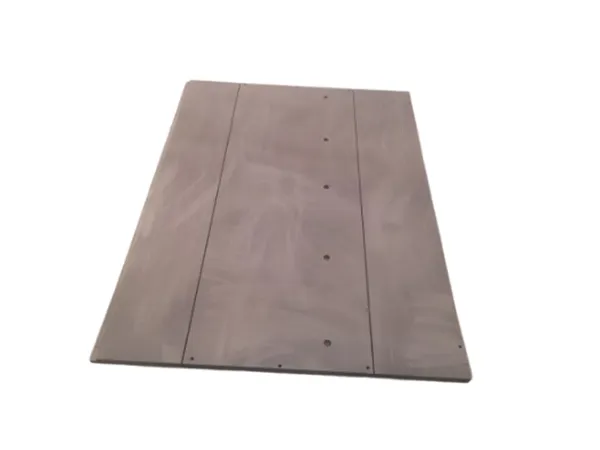
Protective Atmospheres & Carburizing Agents:
Oxygen Scavenger: In some applications, particularly at very high temperatures in a slightly oxidizing environment, graphite can act as an oxygen scavenger by
reacting with oxygen to form CO or CO2, thus protecting the workpiece from oxidation.
…
For more detailed information about the role of graphite in heat treatment, click to visit: https://www.czgraphite.com/a/news/graphite-in-heat-treatment-role.html

