
Choosing the right crucible for melting gold and silver is a critical decision that directly affects melt quality, operational efficiency, and equipment lifespan. Whether you run a jewelry workshop, a precious metals refinery, or a small-scale casting operation, the crucible material, size, and design must match your specific melting conditions. In this guide, we examine the most common crucible types, compare their performance characteristics, and explain how to make an informed choice. As a trusted manufacturer with years of industry experience, Cangzhou Carbon provides high-quality crucibles engineered to meet the demands of professional gold and silver melting.
Understanding Crucible Materials for Gold and Silver Melting
The base material of a crucible determines its temperature tolerance, resistance to thermal shock, and chemical reactivity with molten metals. For gold and silver melting, three main materials dominate the market.
Graphite Crucibles
Graphite crucibles are widely used for precious metals due to their excellent thermal conductivity and uniform heat distribution. They handle temperatures up to 2500°C (4532°F) and resist chemical attack from molten gold and silver. However, pure graphite is porous and can oxidize quickly in air, so a protective coating or glaze is often applied. Cangzhou Carbon graphite crucibles feature a dense, fine-grained structure that minimizes oxidation and extends service life.
Silicon Carbide Crucibles
Silicon carbide (SiC) crucibles offer superior thermal shock resistance and mechanical strength compared to graphite. They withstand rapid heating and cooling cycles without cracking, making them ideal for high-frequency induction furnaces. SiC crucibles also resist erosion from fluxes used in refining processes. Their higher cost is justified by longer lifespan in demanding applications.
Clay-Graphite Crucibles
Clay-graphite crucibles blend natural graphite with refractory clays, balancing thermal performance and affordability. They are suitable for medium-temperature melting (up to 1600°C) and are commonly used for silver and lower-temperature gold alloys. While not as durable as SiC, clay-graphite crucibles provide a cost-effective solution for small-scale or intermittent use.
Key Factors to Consider When Choosing a Crucible
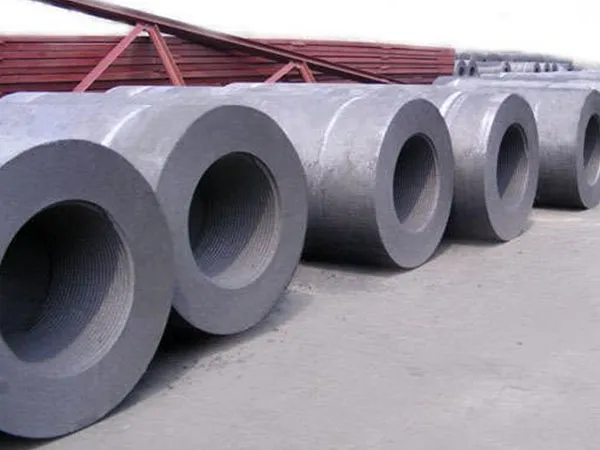
Beyond material, several technical parameters influence crucible selection. Evaluate each factor against your specific melting setup.
…
For more information on how to choose a suitable gold and silver smelting crucible, please click to visit:https://www.czgraphite.com/a/news/crucible-guide.html

