
Industrial burners are essential for many manufacturing processes, but their operation often generates significant noise — sometimes exceeding safe exposure limits. Regulatory bodies such as OSHA and the EU Directive 2003/10/EC set a permissible exposure limit of 85 dB(A) over an 8-hour work shift. Exceeding this threshold not only risks hearing damage but also exposes companies to legal penalties and higher workers’ compensation costs. Achieving consistent noise levels below 85 dB requires a systematic approach: understanding the noise sources, selecting appropriate attenuation technologies, and partnering with experienced manufacturers. SHUXIN has decades of expertise in designing low-noise burner systems that meet and exceed global acoustic standards, helping clients maintain compliance while improving operator comfort.
Why 85 dB Matters: Occupational Safety and Compliance
Global Noise Exposure Limits
The 85 dB threshold is not arbitrary. It is derived from decades of research into noise-induced hearing loss (NIHL). In the United States, OSHA mandates that employers implement a hearing conservation program when noise levels reach or exceed an 8-hour time-weighted average of 85 dB. Similarly, the European Union’s directive sets the same limit for daily personal noise exposure. For industrial burner operators, staying below this level is both a legal obligation and a moral responsibility.
Health Consequences of Industrial Noise
Prolonged exposure to noise above 85 dB can cause irreversible hearing damage, tinnitus, and increased stress levels. Studies also link chronic noise exposure to cardiovascular issues and reduced cognitive performance. By reducing burner noise, companies not only achieve regulatory compliance but also enhance worker safety, productivity, and morale.
Key Sources of Noise in Industrial Burners
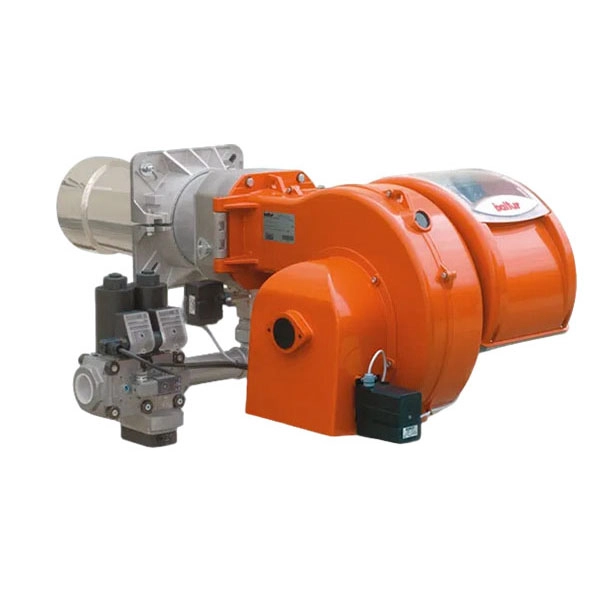
Combustion Processes
The primary noise source in a burner is the combustion reaction itself. Rapid expansion of gases and turbulent flame fronts produce broadband noise that can be particularly intense. High‑velocity combustion air mixing with fuel creates characteristic roar, especially at higher firing rates.
Fan and Blower Noise
Forced‑draft burners rely on fans to supply combustion air. Fan blades generate aerodynamic noise, while motor bearings and housing vibrations contribute to mechanical noise. Without proper attenuation, fan noise alone can exceed 85 dB.
…
For more information on industrial burner noise reduction: how to control noise below 85 decibels, please click to visit: https://www.sxburner.com/a/news/burner-noise-reduction.html

