
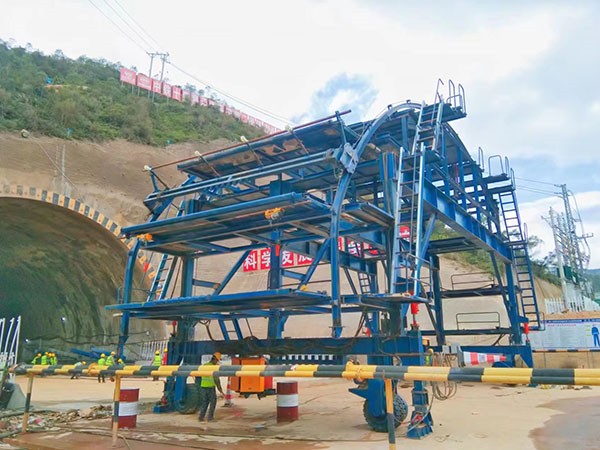
Selecting the appropriate tunnel formwork system is a critical decision that directly impacts construction efficiency, safety, and overall project costs. For contractors and project managers evaluating formwork solutions, the choice between lightweight and heavy-duty tunnel formwork often determines the success of large-scale infrastructure or building projects. This article provides a professional, data-driven comparison to help you make an informed decision, drawing on industry best practices and the expertise of formwork manufacturers like Gaofei.
Understanding the Fundamental Differences
Lightweight tunnel formwork typically uses aluminum alloy or high-strength steel with thinner profiles, designed for manual handling and fast assembly. Heavy-duty tunnel formwork, by contrast, features thicker steel sections, reinforced frames, and often integrates hydraulic systems for movement and stripping. The core distinction lies in load-bearing capacity, weight, and the intended application scale.
Material and Construction
Lightweight systems usually incorporate aluminum beams and plywood panels, making them easy to transport and assemble without heavy machinery. Heavy-duty systems use steel sections (often S355 grade), welded joints, and full-height steel panels, capable of supporting wet concrete pressures exceeding 80 kN/m². Gaofei’s heavy-duty line, for example, utilizes hot-rolled steel with anti-corrosion coating for longevity in harsh tunnel environments.
Weight and Logistics
A standard lightweight tunnel formwork panel (2.5m x 3m) weighs around 250-350 kg, allowing crane-free repositioning using dollies or simple lifting equipment. Heavy-duty panels of similar dimensions can weigh 800-1500 kg, requiring tower cranes or gantries for movement. This weight difference affects not only on-site labor but also floor loading in multi-story applications.
Performance Characteristics Compared
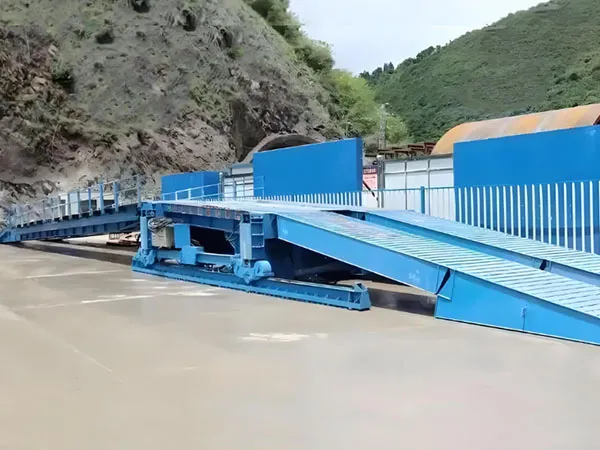
To clarify the decision-making process, the following list summarizes key performance attributes for each type.
- Pouring Speed: Heavy-duty formwork supports faster pour rates (up to 2.0 m per hour) because of higher hydrostatic pressure resistance. Lightweight systems typically require slower pouring (0.5-1.0 m per hour) to avoid deflection.
- Cycle Time: Lightweight formwork excels in quick stripping and resetting. A two-person crew can dismantle and reposition a lightweight unit in 30-40 minutes. Heavy-duty systems require 4-6 workers and may take 60-90 minutes per cycle, though hydraulic systems can reduce this.
…
For more details on lightweight versus heavyweight tunnel formwork—and how to choose between them—please click here: https://www.gf-bridge-tunnel.com/a/blog/formwork-selection-guide.html

