
Submerged Arc Welding (SAW) is a commonly used welding process known for its high efficiency and deep penetration. Operating a submerged arc welding machine requires adherence to specific safety and operational procedures to ensure high-quality welds and prevent accidents.
Submerged arc welding machine operating procedures
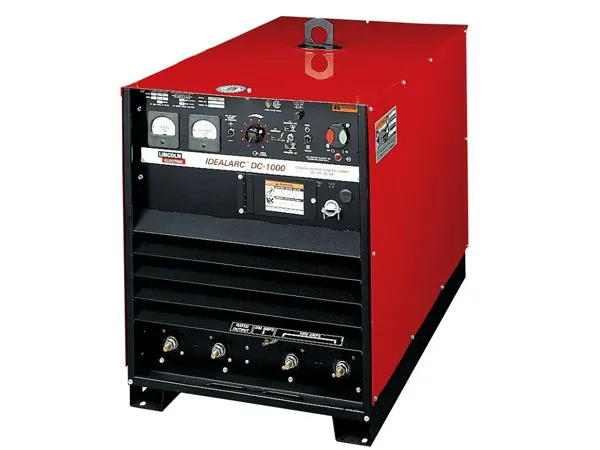
1. Pre-Operational Setup
a. Inspection and Preparation
Check the Equipment: Ensure the welding machine, power source, and wire feeder are in good working condition. Inspect cables, connections, and the welding gun for any damage.
Clean the Workpiece: Ensure the surfaces to be welded are clean, free of rust, oil, dirt, or other contaminants that may affect weld quality.
Select Proper Filler Wire: Choose the appropriate wire electrode based on the material type and thickness to be welded.
Select Proper Flux: Ensure that the flux is dry and suitable for the welding process. The flux must match the welding wire and workpiece material.
Setup Welding Parameters: Set the welding machine’s parameters (voltage, current, and travel speed) based on the welding specifications and the thickness of the material.
b. Check Safety Gear
Personal Protective Equipment (PPE): Wear the necessary PPE, including:
Welding helmet with appropriate shade lens
Flame-resistant gloves
Flame-retardant clothing
Welding boots
Safety glasses or goggles
Ventilation: Ensure adequate ventilation in the work area, as fumes from the welding process can be hazardous.
Fire Extinguisher: Have a fire extinguisher nearby, as welding can pose a fire hazard.
2. Machine Setup and Calibration
a. Set the Electrode Wire
Load the Electrode Wire: Load the wire electrode spool into the feeder. Ensure the wire passes smoothly through the guide tube and into the welding gun.
…
For more detailed information on submerged arc welding machine operating procedures, please click here: https://www.bota-weld.com/en/a/news/submerged-arc-welding-machine-operating-procedures.html
