
High-Pressure Grinding Rolls (HPGR) have become a cornerstone in modern mineral processing, offering higher energy efficiency, improved particle size distribution, and enhanced downstream processing performance compared to traditional grinding methods. Despite these advantages, HPGR units are not immune to operational challenges. Among the most common and critical issues that operators face are skewing and excessive vibration. If left unresolved, these problems can significantly impact production efficiency, increase maintenance costs, and shorten equipment lifespan.
Understanding the root causes of HPGR skewing and vibration is essential for plant engineers, maintenance teams, and operators seeking to maintain optimal performance. In this guide, we provide a detailed analysis of these issues, their consequences, and practical troubleshooting strategies.
Understanding HPGR Skewing
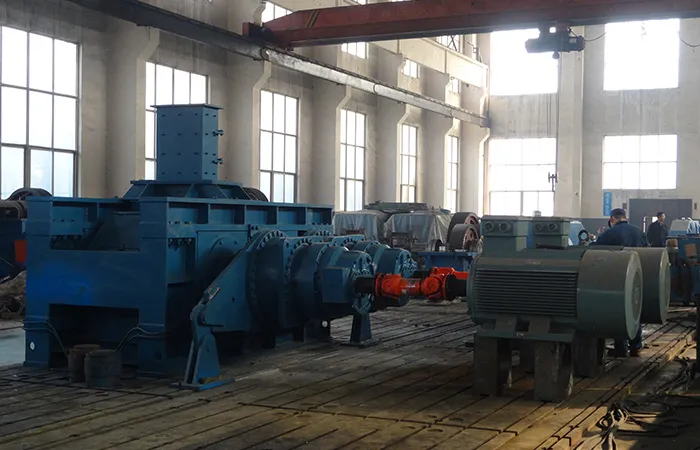
Skewing occurs when the rolls of an HPGR unit become misaligned relative to each other during operation. This misalignment can result from uneven wear, improper installation, or operational factors such as uneven feed material. When skewing happens, the load distribution between the rolls becomes unbalanced, leading to several undesirable outcomes:
Uneven particle size distribution – Skewing causes inconsistent compression of the ore, which can reduce downstream efficiency in flotation, leaching, or milling operations.
Localized wear – Misalignment concentrates pressure on specific areas of the rolls, accelerating wear on the grinding surfaces and liners.
Energy inefficiency – The motor and drive system may consume more energy to compensate for the uneven load.
Increased maintenance frequency – Continuous skewing accelerates component degradation, resulting in more frequent downtime and repair costs.
Common Causes of HPGR Skewing
Several factors contribute to skewing, and understanding them is the first step in effective troubleshooting:
Incorrect roll alignment during installation – Even minor deviations during setup can trigger skewing once the unit is under load.
Wear and tear of bearings and hydraulic systems – Uneven wear in bearing housings or failure in hydraulic roll alignment mechanisms can shift roll positions.
Uneven feed distribution – HPGR performance depends on a consistent feed layer; oversized or poorly distributed material can cause one roll to experience higher stress.
…
For more detailed information on troubleshooting high-pressure roller mill tilting and vibration issues, please click to visit: https://www.zymining.com/en/a/news/troubleshooting-hpgr-skewing-and-vibration-issues.html

