
Производительность измельчающих валков высокого давления относится к пропускной способности материала измельчающих валков высокого давления. (HPGR) стали краеугольным камнем в современной переработке полезных ископаемых, предлагая более высокую энергоэффективность, улучшенное распределение частиц по размерам, и улучшенная производительность последующей обработки по сравнению с традиционными методами измельчения.. Несмотря на эти преимущества, Установки HPGR не застрахованы от эксплуатационных проблем. Среди наиболее распространенных и критических проблем, с которыми сталкиваются операторы, — перекос и чрезмерная вибрация.. Если оставить нерешенным, эти проблемы могут существенно повлиять на эффективность производства, увеличить затраты на техническое обслуживание, и сократить срок службы оборудования.
Понимание коренных причин перекоса и вибрации HPGR имеет важное значение для инженеров предприятий., бригады технического обслуживания, и операторы, стремящиеся поддерживать оптимальную производительность. В этом руководстве, мы предоставляем подробный анализ этих вопросов, их последствия, и практические стратегии устранения неполадок.
Понимание перекоса HPGR
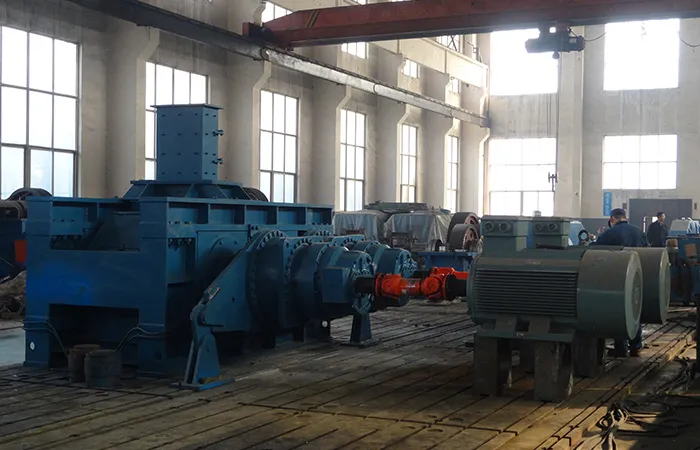
Перекос возникает, когда валки агрегата ВДГР в процессе работы смещаются относительно друг друга.. Такое смещение может быть результатом неравномерного износа., неправильная установка, или эксплуатационные факторы, такие как неравномерность подачи материала. Когда происходит перекос, распределение нагрузки между валками становится несбалансированным, приводящие к ряду нежелательных результатов:
Неравномерное распределение частиц по размерам – Перекос приводит к неравномерному сжатию руды., что может снизить эффективность последующей флотации, выщелачивание, или фрезерные операции.
Локализованный износ – Несоосность приводит к концентрации давления на определенных участках валков., ускорение износа шлифовальных поверхностей и вкладышей.
Энергетическая неэффективность – Двигатель и система привода могут потреблять больше энергии для компенсации неравномерной нагрузки..
Увеличенная частота технического обслуживания – Непрерывный перекос ускоряет деградацию компонентов, что приводит к более частым простоям и затратам на ремонт..
Распространенные причины перекоса HPGR
Несколько факторов способствуют перекосу, и их понимание — первый шаг к эффективному устранению неполадок.:
Неправильное выравнивание роликов во время установки. – Даже незначительные отклонения при настройке могут вызвать перекос, когда агрегат находится под нагрузкой.
Износ подшипников и гидравлических систем. – Неравномерный износ корпусов подшипников или отказ гидравлических механизмов выравнивания валков могут привести к смещению положения валков..
Неравномерное распределение корма – Производительность HPGR зависит от однородности слоя подачи; Слишком большой или плохо распределенный материал может привести к тому, что один рулон будет испытывать повышенную нагрузку..
…
Для получения более подробной информации об устранении неполадок, связанных с наклоном и вибрацией валковой мельницы высокого давления., пожалуйста, нажмите, чтобы посетить: https://www.zymining.com/en/a/news/troubleshooting-hpgr-skewing-and-vibration-issues.html

