
When commercial kitchens, industrial furnaces, or outdoor grilling stations face extreme heat, moisture, and corrosive chemicals, the choice of burner head material directly impacts operational costs and safety. Cast iron has long been a traditional choice for its heat retention, but stainless steel is rapidly proving superior in harsh environments. This article presents a rigorous engineering comparison between stainless steel and cast iron burner heads, examining their chemical composition, failure mechanisms, and real-world longevity. By understanding these differences, procurement professionals and equipment designers can make data-driven decisions that reduce maintenance downtime and extend equipment lifespan.
1. The Material Science Behind Durability
The fundamental difference between stainless steel and cast iron lies in their alloy composition and crystalline structure. Cast iron contains 2–4% carbon and 1–3% silicon, forming a graphite-rich microstructure that gives excellent heat retention but introduces critical vulnerabilities. Stainless steel, particularly grades 304 and 316 used for burner heads, contains at least 10.5% chromium, which forms a passive chromium oxide layer that self-heals in oxidizing environments.
1.1 Cast Iron: Strength with a Critical Weakness
Cast iron’s high carbon content creates flake or nodular graphite within a pearlite or ferrite matrix. While this structure dampens vibration and retains heat well, it also fosters graphitization corrosion when exposed to water and oxygen. The graphite acts as a cathode, accelerating galvanic corrosion of the surrounding iron. In moist environments—typical of commercial dishwashing areas or outdoor cooking—this leads to pitting, scaling, and eventual cracking within months. Furthermore, cast iron’s low elongation (≤1%) makes it brittle under thermal stress.
1.2 Stainless Steel: The Alloyed Advantage
Stainless steel burner heads, especially 304 (18-20% Cr, 8-10.5% Ni) and 316 (16-18% Cr, 10-14% Ni, 2-3% Mo), benefit from a stable austenitic structure. The chromium content forms a transparent, adherent oxide layer that is repassivated even after scratching. The addition of molybdenum in 316 provides superior resistance to chlorides, such as those found in salt spray, cleaning chemicals, and acidic food residues. Unlike cast iron, stainless steel retains ductility (elongation >40%) at elevated temperatures, allowing it to absorb thermal expansion cycles without fracturing.
2. Harsh Environmental Factors That Deteriorate Burner Heads
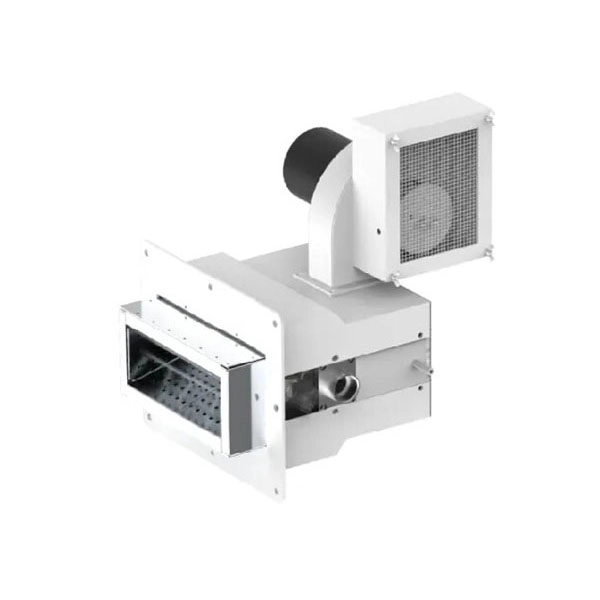
Burner heads operate under a combination of extreme conditions that accelerate material degradation. Understanding these factors clarifies why stainless steel outperforms cast iron in real-world facilities.
…
For more information on why stainless steel burner heads are more durable than cast iron burner heads in harsh environments, please click to visit:https://www.sxburner.com/a/news/stainless-vs-cast-iron.html
