
Electrostatic desalters are essential components in modern oil refineries and petrochemical plants. They remove water, salts, and other impurities from crude oil before it enters downstream processing units. Ensuring the stable operation of electrostatic desalters is critical for plant efficiency, safety, and equipment longevity. One of the recurring operational challenges is transformer tripping, which can disrupt the entire desalting process and lead to significant downtime. Understanding the causes of transformer tripping in electrostatic desalters is crucial for maintenance engineers and plant operators to prevent repeated failures and optimize system performance.
Causes of Transformer Tripping in Electrostatic Desalters
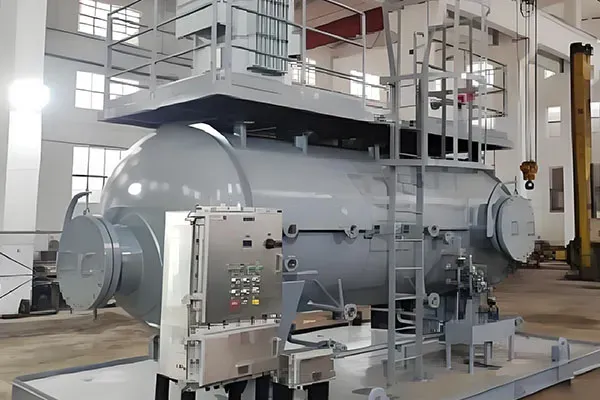
1. Electrical Overload
One of the primary causes of transformer tripping in electrostatic desalters is electrical overload. Transformers in desalting units are designed to handle a specific load, primarily determined by the power required to generate the high-voltage electrostatic field. When the transformer is subjected to a load beyond its rated capacity, excessive current flows through the windings. Modern transformers are equipped with protective relays that detect this condition and trip the system to prevent permanent damage. Overloads can result from prolonged high-volume crude processing, sudden changes in crude composition, or improper transformer sizing during the design stage.
2. Short Circuit and Insulation Failures
Short circuits are another major contributor to transformer tripping. In electrostatic desalters, high-voltage electrodes are immersed in crude oil, which may contain contaminants such as water, salt, or fine solids. If any conductive path forms between the transformer output and the grounded vessel, it can cause a sudden short circuit. Additionally, insulation degradation over time due to thermal stress, chemical exposure, or moisture ingress can lead to internal faults. Protective systems detect the sudden surge in current and trip the transformer to safeguard both the equipment and personnel.
3. Voltage Fluctuations
Electrostatic desalters operate optimally under stable high-voltage conditions. Fluctuations in the supply voltage, either from the plant’s electrical grid or upstream transformers, can stress the desalter transformer. When voltage rises beyond safe limits, the transformer experiences overvoltage conditions, potentially triggering trips. Conversely, voltage sags may cause under-excitation, leading to overheating of the windings. Regular monitoring of input voltage and using voltage stabilizers can significantly reduce transformer tripping incidents caused by voltage fluctuations.
…
For more detailed information on the causes of transformer tripping in electrostatic seawater desalination plants, please click to visit: https://www.zy-petrochemical.com/a/news/causes-of-transformer-tripping-in-electrostatic-desalters.html

