
Choosing the right refrigerator is essential for both households and businesses, but the differences between commercial and residential horizontal refrigerators are often overlooked. Understanding these distinctions is crucial for ensuring proper storage, energy efficiency, and long-term reliability. This article explores the key differences between commercial and residential horizontal refrigerators, guiding buyers in making informed decisions.
Differences Between Commercial and Residential Horizontal Refrigerators
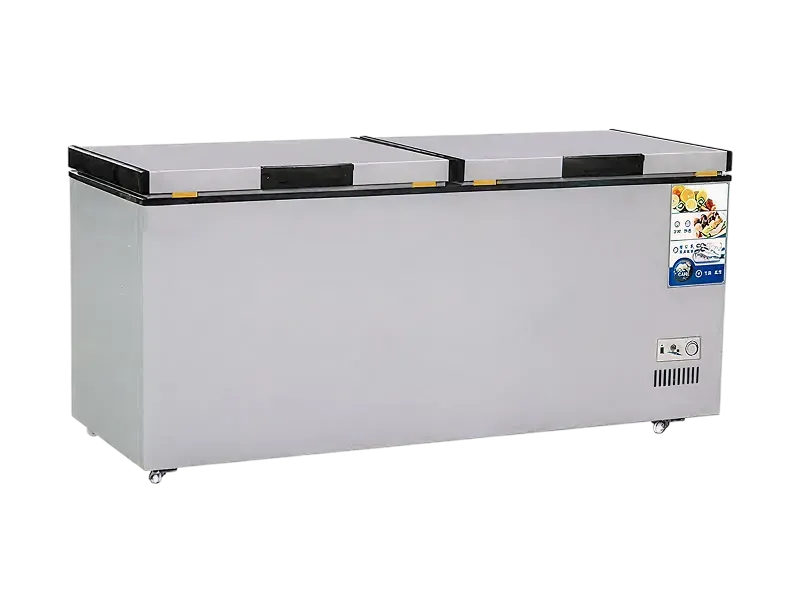
Design and Construction
Commercial horizontal refrigerators are built for heavy-duty use. They typically feature stainless steel exteriors and interiors, which provide durability, corrosion resistance, and ease of cleaning. In contrast, residential horizontal refrigerators often use a combination of plastic, aluminum, or coated metal, focusing more on aesthetic appeal rather than industrial strength. The robust construction of commercial units allows them to withstand frequent opening and closing, high-volume storage, and the demands of a fast-paced environment, such as restaurants, supermarkets, or hotels.
Cooling Performance
Cooling efficiency is one of the most significant differences between commercial and residential horizontal refrigerators. Commercial units are equipped with powerful compressors and advanced refrigeration systems that maintain consistent low temperatures, even under heavy load or high ambient heat. These refrigerators can quickly restore the set temperature after the door has been opened multiple times, which is essential for preserving perishable food and maintaining safety standards. Residential horizontal refrigerators, however, are designed for moderate use. They may experience temperature fluctuations when doors are frequently opened or when storing large amounts of food, which could affect food longevity.
Storage Capacity and Organization
The storage layout also differs markedly between commercial and residential horizontal refrigerators. Commercial models often provide adjustable shelving, sliding baskets, and specialized compartments to accommodate bulk items, frozen goods, and varying product sizes. They are designed to optimize space for businesses that require frequent access and efficient stock rotation. Residential horizontal refrigerators generally offer less flexible storage solutions, prioritizing convenience for everyday household use over industrial efficiency. Users may find that residential models lack the capacity to store large quantities of food, especially for gatherings or bulk shopping.
Energy Consumption
Energy efficiency is a critical consideration, particularly in commercial settings. Commercial horizontal refrigerators are built to operate continuously, often 24/7, which requires high energy consumption. However, modern commercial units employ energy-efficient compressors and insulation to reduce electricity costs while maintaining performance. Residential horizontal refrigerators are optimized for lower energy use since they are typically used intermittently, making them more economical for home environments. Despite this, residential models may not maintain optimal temperatures under heavy loads, which could compromise food safety.
…
For more detailed information on the differences between commercial and residential horizontal refrigerators, please click to visit: https://www.tzykitchenware.com/a/news/differences-between-commercial-and-residential-horizontal-refrigerators.html

